How to Develop Emotional Intelligence for a Sharper Mind invites you to explore the profound impact emotional intelligence has on our daily lives. As a fundamental aspect of human interaction, emotional intelligence encompasses understanding our emotions and those of others, thereby enhancing our mental acuity and decision-making abilities. In a world that increasingly values emotional awareness, grasping the intricacies of this concept can lead to more meaningful relationships and improved cognitive functioning.
The journey to emotional intelligence begins with recognizing its components and benefits. From personal interactions to professional relationships, emotional intelligence serves as a bridge that strengthens our connections and enhances our ability to communicate effectively. By delving into its implications for mental sharpness, we can appreciate how cultivating this skill enriches our lives both personally and professionally.
Understanding Emotional Intelligence
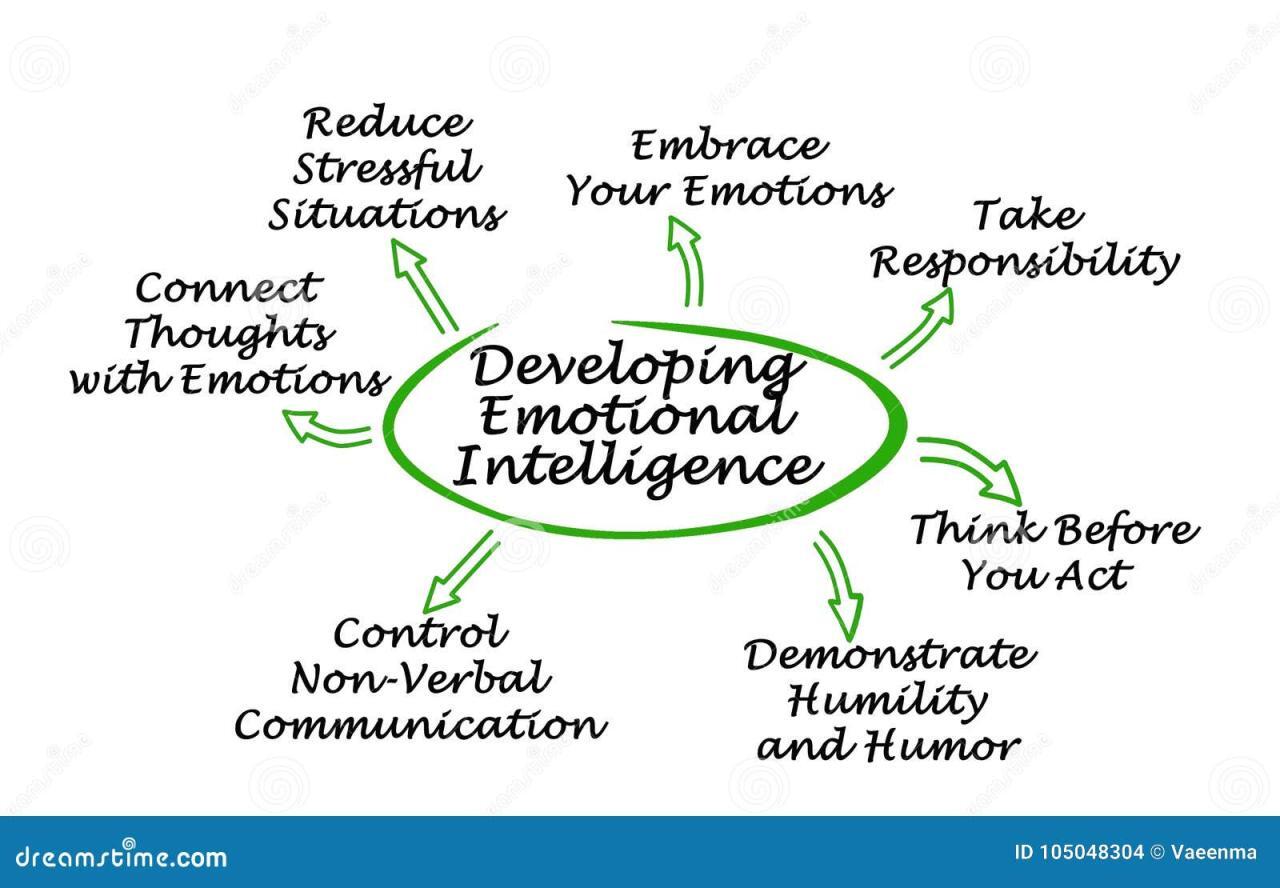
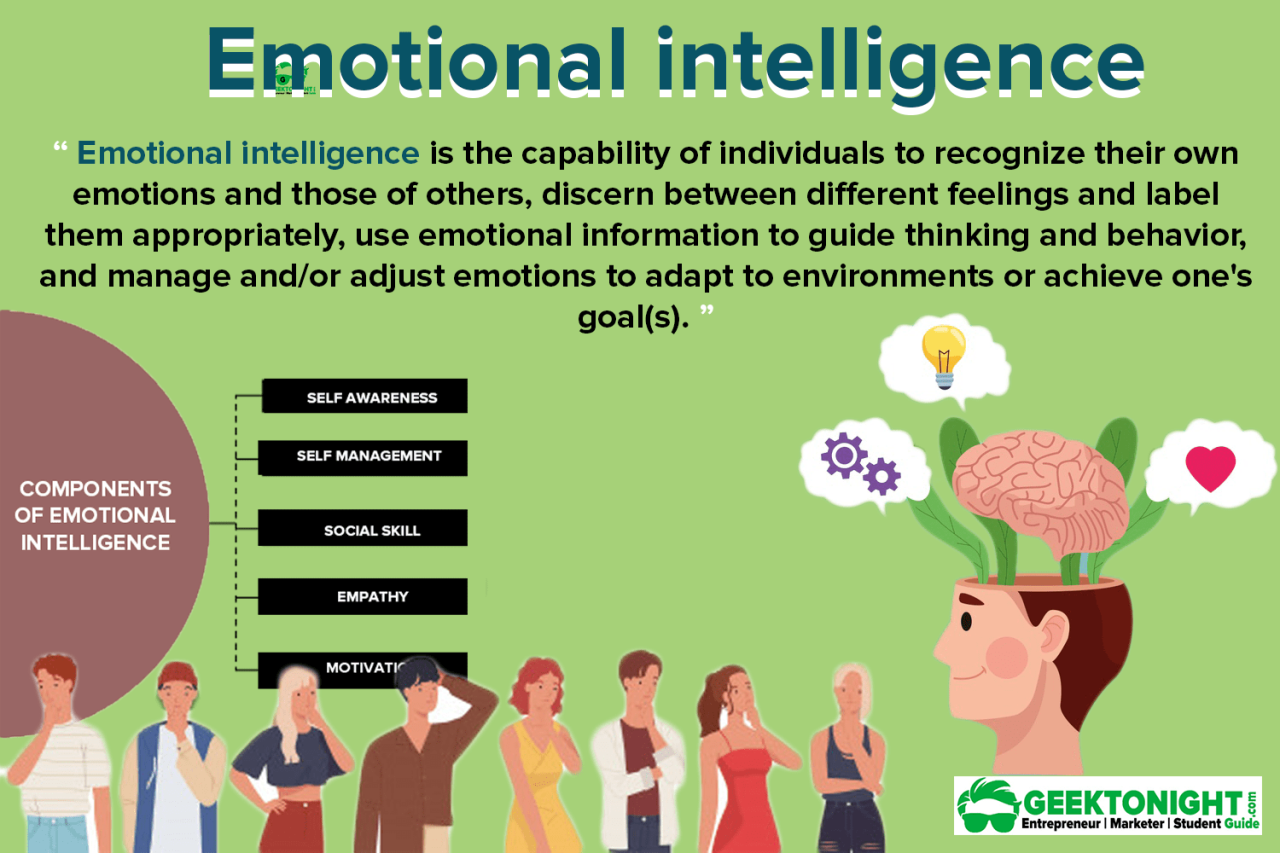
Emotional intelligence (EI) is a crucial aspect of human interactions and personal development, encompassing the ability to recognize, understand, and manage our own emotions while also recognizing and influencing the emotions of others. It plays a pivotal role in how we navigate social complexities, make decisions, and handle stress, significantly affecting our daily interactions and mental clarity.Emotional intelligence comprises several core components: self-awareness, self-regulation, social awareness, and relationship management.
Self-awareness involves recognizing one’s emotions and their effects. Self-regulation allows individuals to control their emotional responses and react appropriately. Social awareness pertains to understanding others’ emotions and empathizing with them, while relationship management encompasses the skills needed to manage interactions successfully, fostering effective communication and conflict resolution.
Impact of Emotional Intelligence on Daily Interactions
The impact of emotional intelligence on daily interactions is profound, influencing both personal and professional relationships. Individuals with high EI are often better equipped to navigate social situations, leading to more productive and harmonious interactions.For instance, in a workplace setting, an emotionally intelligent leader can motivate their team by recognizing when members are feeling overwhelmed and providing necessary support. They may notice changes in a colleague’s demeanor and proactively engage them in conversation to address underlying issues.
Similarly, during personal interactions, a person with high EI can easily discern when a friend is upset and offer comfort, leading to stronger bonds and trust.Emotional intelligence also enhances communication skills, allowing for clearer and more empathetic exchanges. This results in fewer misunderstandings and conflicts, ultimately fostering a more collaborative and positive environment.
Relationship Between Emotional Intelligence and Mental Sharpness
The relationship between emotional intelligence and mental sharpness is noteworthy as EI contributes significantly to cognitive functioning. Mentally sharp individuals are often those who can process emotions effectively, leading to improved decision-making and problem-solving abilities.High emotional intelligence helps in stress management, which in turn enhances cognitive performance. For example, when individuals can regulate their emotions during high-pressure situations, they tend to think more clearly and make rational decisions.
Emotional intelligence provides tools for resilience, aiding people in bouncing back from setbacks and maintaining focus on their goals.Furthermore, research indicates that emotionally intelligent individuals often exhibit better memory retention and higher levels of creativity. This is because emotion and cognition are closely intertwined; when emotions are well-managed, cognitive resources can be directed towards tasks that require critical thinking and innovation.In summary, emotional intelligence is integral to effective interpersonal communication and decision-making, directly impacting mental acuity and overall cognitive performance.
Benefits of Developing Emotional Intelligence
Developing emotional intelligence (EI) offers numerous advantages, significantly enhancing both personal and professional relationships. The ability to understand and manage emotions leads to improved interactions, fostering environments where cooperation and empathy thrive. By recognizing the emotional dynamics at play in various situations, individuals can navigate challenges more effectively, leading to more meaningful connections with others.Emotional intelligence contributes to various cognitive and emotional benefits, ultimately shaping how individuals approach challenges and opportunities.
Individuals equipped with high EI are often more resilient, better at stress management, and capable of maintaining motivation amidst setbacks. Research indicates that emotionally intelligent individuals tend to perform better in their careers, as they can cultivate stronger relationships and better teamwork, ultimately resulting in greater workplace satisfaction and productivity.
Enhancement of Personal and Professional Relationships
The cultivation of emotional intelligence can significantly enhance personal and professional relationships. By honing empathy and emotional regulation, individuals create a more supportive and understanding environment. Key aspects of emotional intelligence that contribute to improved relationships include:
- Improved Communication: High EI individuals express themselves more clearly and listen actively, leading to more productive and meaningful conversations.
- Conflict Resolution: Those with emotional intelligence can navigate conflicts with sensitivity and understanding, addressing issues calmly and constructively.
- Trust Building: Demonstrating empathy and consistency fosters trust, an essential element in both personal and professional relationships.
The effectiveness of emotional intelligence in relationship enhancement can be observed in real-world scenarios. For instance, leaders with high EI often foster more cohesive teams, as they recognize the emotional needs of their team members and respond accordingly, which in turn boosts morale and collaboration.
Cognitive and Emotional Benefits
Developing emotional intelligence is associated with numerous cognitive and emotional benefits that enhance an individual’s overall well-being and effectiveness. These benefits can be categorized as follows:
- Increased Self-Awareness: Individuals gain a deeper understanding of their emotions and how these impact their thoughts and behaviors, leading to more informed decision-making.
- Better Stress Management: Emotionally intelligent individuals are adept at recognizing stress triggers and employing effective coping mechanisms, thereby maintaining mental health.
- Enhanced Empathy: EI fosters empathy, allowing individuals to connect more deeply with others’ experiences and emotions, which is vital for building strong relationships.
These cognitive and emotional benefits are crucial in both personal lives and professional environments, providing a robust foundation for success and fulfillment.
Impact on Decision-Making Processes
Emotional intelligence plays a pivotal role in decision-making processes, influencing how individuals assess situations and respond to challenges. Emotionally intelligent individuals are better equipped to consider both rational and emotional factors when making choices. The impact of EI on decision-making can be summarized in the following areas:
- Balanced Perspectives: EI allows individuals to weigh logical reasoning against emotional consequences, leading to more holistic decision-making.
- Informed Risk Assessment: Those with high EI are likely to understand the emotional implications of risks, allowing for more calculated and informed decisions.
- Increased Adaptability: Emotionally intelligent individuals can adjust their decisions based on feedback and emotional cues, facilitating more effective responses to changing situations.
Real-life examples highlight how leaders with high emotional intelligence typically make better strategic decisions. For instance, during crises, leaders who can gauge team emotions and morale often implement changes that not only address operational issues but also maintain team cohesion and trust.
Methods for Improving Emotional Intelligence
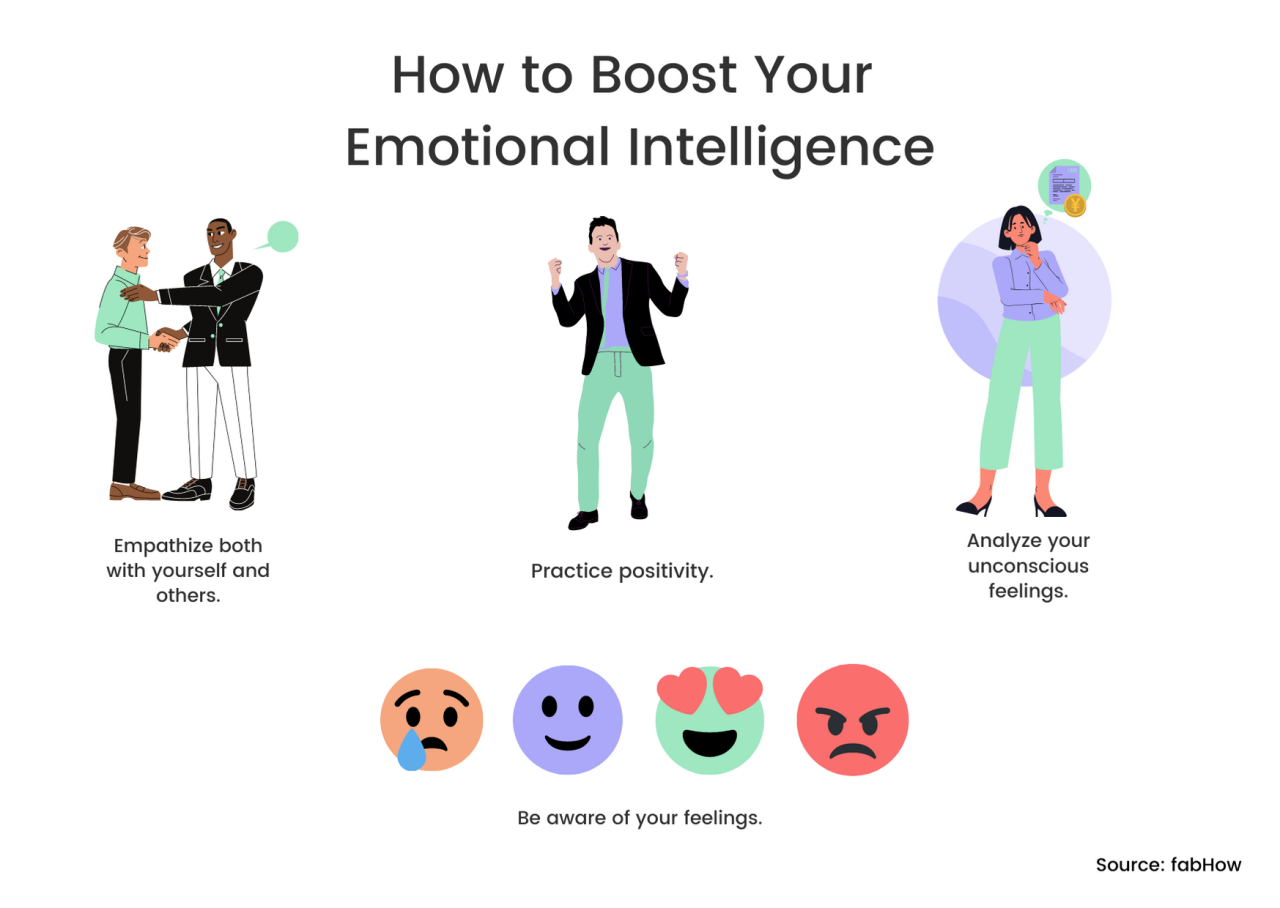
Developing emotional intelligence is a vital aspect of personal and professional growth. It involves enhancing our ability to understand, manage, and express emotions effectively. By employing specific methods, individuals can refine their emotional skills, leading to improved relationships and decision-making. Below are structured approaches to enhance self-awareness, empathy, and emotion regulation.
Practical Exercises to Enhance Self-Awareness
Self-awareness is the foundation of emotional intelligence, as it allows individuals to recognize their emotions and how they influence thoughts and actions. Engaging in practical exercises can significantly bolster this awareness. The following exercises are effective in this regard:
- Journaling: Regularly writing about daily emotions and experiences encourages reflection on personal feelings and reactions, helping to identify patterns over time.
- Mindfulness Meditation: Practicing mindfulness techniques aids individuals in becoming more attuned to their emotional states, promoting a deeper understanding of feelings as they arise.
- Feedback from Others: Seeking constructive feedback from trusted friends or colleagues can provide insight into how others perceive one’s emotional responses, fostering greater self-awareness.
- Emotional Check-ins: Implementing routine check-ins throughout the day to assess current emotions can help individuals identify shifts in feelings and their potential triggers.
Step-by-Step Approach to Improve Empathy in Daily Situations
Empathy is critical for building strong social connections and understanding others’ perspectives. A structured approach can enhance empathetic responses in everyday interactions. The following steps Artikel an effective method for developing empathy:
- Active Listening: Focus completely on the speaker without interrupting. Acknowledge their feelings through verbal and non-verbal cues, ensuring they feel heard.
- Reflect on Experiences: Put yourself in others’ shoes by thinking about how you would feel in similar situations. This exercise broadens your perspective and enhances empathic understanding.
- Ask Open-Ended Questions: Encourage others to share their thoughts and emotions more freely by asking questions that require more than a yes or no answer. This nurtures deeper connections.
- Practice Compassion: Engage in acts of kindness without expecting anything in return. This cultivates a genuine concern for others’ well-being, reinforcing empathetic behaviors.
Techniques for Managing Emotions in High-Pressure Environments
In high-pressure situations, effectively managing emotions is crucial for maintaining focus and composure. Here are several techniques that can help individuals navigate such challenging scenarios:
- Breathing Techniques: Practicing deep breathing exercises can alleviate stress and anxiety. For example, inhaling for a count of four, holding for four, and exhaling for four can help regain calmness.
- Positive Visualization: Envisioning a successful outcome can shift focus from anxiety to confidence, allowing individuals to approach challenges with a more positive mindset.
- Cognitive Reframing: Changing the interpretation of a stressful situation can reduce emotional reactions. Viewing challenges as opportunities for growth can foster resilience.
- Establishing a Support Network: Having a reliable support system can provide emotional backing in high-pressure situations. Sharing experiences with trusted individuals can alleviate stress.
Emotional Intelligence and Communication

Effective communication is a cornerstone of successful relationships, both personal and professional. Emotional intelligence plays a vital role in this process, as it enables individuals to understand and manage their own emotions while also empathizing with others. By enhancing emotional intelligence, one can refine communication skills, leading to more meaningful interactions that foster trust and collaboration.The integration of emotional intelligence into communication involves recognizing the emotional states of oneself and others.
This awareness allows individuals to tailor their messages appropriately, facilitating clearer understanding and reducing the likelihood of conflict. To enhance communication, several strategies can be implemented, particularly in the areas of active listening and non-verbal communication skills.
Active Listening and Non-Verbal Communication Skills
Active listening is fundamental for effective communication as it ensures that all parties feel heard and valued. This process involves fully concentrating on the speaker, understanding their message, responding thoughtfully, and remembering the details of the conversation. Non-verbal communication, including body language, facial expressions, and tone of voice, also significantly impacts how messages are received and interpreted.To strengthen active listening abilities, consider the following strategies:
- Maintain Eye Contact: This shows attentiveness and interest in the conversation.
- Provide Feedback: Acknowledge the speaker’s message with verbal affirmations, such as “I see” or “I understand.”
- Avoid Interrupting: Allow the speaker to finish their thoughts before responding, which demonstrates respect and patience.
- Clarify and Summarize: Repeat back key points to ensure understanding and clarify any ambiguities.
Non-verbal communication skills are equally crucial. Being aware of one’s own body language and that of others can enhance the effectiveness of communication. Key non-verbal elements include:
- Facial Expressions: Mimicking appropriate emotional responses can create rapport and signal empathy.
- Posture: Open and relaxed body language can foster a welcoming atmosphere.
- Gestures: Thoughtful hand gestures can emphasize points and engage the listener.
- Proximity: Understanding the appropriate physical distance in various contexts helps maintain comfort levels.
Expressing emotions in a constructive manner is vital for fruitful communication. When individuals articulate their feelings, it creates a foundation for open dialogue and resolution of issues. Here are some effective techniques for expressing emotions constructively:
- Use “I” Statements: Frame feelings in terms of personal experiences, such as “I feel frustrated when deadlines are missed,” rather than placing blame.
- Be Specific: Clearly articulate the emotions and situations that trigger them, which helps others understand the context.
- Stay Calm: Manage emotions during discussions to prevent escalation, as maintaining composure encourages a more productive conversation.
- Focus on Solutions: Shift the dialogue toward potential resolutions rather than dwelling on problems, promoting a proactive approach.
Emotional Intelligence in Leadership
Emotional intelligence plays a pivotal role in effective leadership by enhancing a leader’s ability to connect with their team, make informed decisions, and navigate the complexities of interpersonal dynamics. Leaders with high emotional intelligence can foster a positive work environment, which ultimately leads to improved team performance and satisfaction.Emotionally intelligent leaders exhibit specific traits that are crucial for guiding their teams toward success.
They possess self-awareness, allowing them to understand their emotions and how these affect their behavior and decision-making. Additionally, they demonstrate empathy, enabling them to recognize and respect the feelings of their team members. This ability to connect emotionally often results in a more motivated workforce. Moreover, such leaders are adept at managing relationships and conflicts, employing strong communication skills and diplomacy to resolve issues effectively.
Key Traits of Emotionally Intelligent Leaders
The following traits characterize emotionally intelligent leaders and significantly influence their team’s dynamics and overall performance:
- Self-awareness: Understanding one’s emotional state provides clarity in leadership and enhances decision-making.
- Empathy: The capacity to understand and share the feelings of others fosters trust and collaboration within the team.
- Motivation: Emotionally intelligent leaders are often intrinsically motivated, inspiring their team members to pursue goals with enthusiasm.
- Social skills: Proficiency in managing relationships and building networks is crucial in facilitating teamwork and achieving collective objectives.
- Self-regulation: The ability to manage one’s emotions and impulses allows leaders to remain composed and make rational decisions under pressure.
The combination of these traits not only enhances the leader’s effectiveness but also sets a tone for the team, promoting a culture of emotional awareness and support.
Methods for Fostering Emotional Intelligence Within a Team Environment
Developing emotional intelligence within a team can lead to improved collaboration and productivity. Here are several methods that leaders can implement to nurture emotional intelligence in their teams:
- Training and Workshops: Organizing sessions focused on emotional intelligence can equip team members with the tools to recognize and manage their emotions effectively.
- Open Communication Channels: Encouraging open dialogue fosters trust, enabling team members to express their emotions and perspectives without fear of judgment.
- Feedback Mechanisms: Implementing regular feedback can help individuals understand their emotional impact on others, promoting personal growth and awareness.
- Team-building Activities: Engaging in activities that require collaboration can strengthen interpersonal relationships and enhance empathy among team members.
- Modeling Behavior: Leaders should exemplify emotional intelligence in their actions, serving as role models for their teams to emulate.
By integrating these methods into the team culture, leaders can enhance emotional intelligence among team members, leading to a more cohesive and effective working environment.
“The greatest leaders are not necessarily those who are the most intelligent; they are the ones who have the highest emotional intelligence.”
Measuring Emotional Intelligence
Accurately measuring emotional intelligence (EI) is crucial for both personal growth and professional development. Various assessment tools have been created to evaluate different aspects of EI, providing individuals and organizations with insights into their emotional competencies. Through a comprehensive understanding of these tools, one can identify strengths and areas for improvement in emotional intelligence.Several assessment tools are available for evaluating emotional intelligence, each designed to capture different elements of this multifaceted construct.
Understanding these tools is essential for proper self-assessment and personal reflection on emotional intelligence. The following is an overview of the most commonly used assessment methodologies:
Assessment Tools for Emotional Intelligence
The following section highlights prominent emotional intelligence assessment tools, providing a snapshot of their unique features and applications.
- EQ-i 2.0 (Emotional Quotient Inventory): This self-report tool measures various aspects of emotional intelligence, including self-perception, interpersonal skills, and decision-making. It offers a detailed report that guides individuals in understanding their emotional strengths and weaknesses.
- Mayer-Salovey-Caruso Emotional Intelligence Test (MSCEIT): This performance-based assessment evaluates emotional intelligence through tasks that require individuals to recognize and apply emotions in various contexts. It’s particularly useful for gauging practical emotional skills rather than self-reported traits.
- Bar-On Emotional Quotient Inventory: This tool assesses emotional and social competencies through a self-report format, providing insights into how individuals perceive their emotional and social functioning in both personal and professional settings.
- Six Seconds Emotional Intelligence Assessment (SEI): Designed to enhance personal and organizational EI, this assessment focuses on practical applications of emotional intelligence skills in real-world situations.
Reflecting on one’s emotional intelligence can help individuals take significant steps toward personal growth. Self-assessment can be achieved through structured reflection and by using specific guidelines. Key aspects to consider during this process include:
Guidelines for Self-Assessment and Personal Reflection
Engaging in self-assessment encourages individuals to take an objective look at their emotional competencies. The following guidelines can help structure this reflection:
- Identify emotional reactions: Keep a journal to track your emotional responses to various situations, noting patterns and triggers in your reactions.
- Solicit feedback: Ask trusted friends or colleagues for their perceptions of your emotional responses and interactions, providing a broader perspective on your emotional behaviors.
- Set specific goals: After identifying areas for improvement, establish actionable goals to develop those emotional intelligence aspects over time.
- Review and adjust: Regularly revisit your journal and feedback to evaluate progress, adjusting your goals and strategies as necessary.
Comparison of Emotional Intelligence Assessment Methodologies
Understanding the strengths and limitations of different assessment methodologies allows individuals and organizations to choose the most suitable tool for their needs. The following comparison highlights key features of each assessment tool:
| Assessment Tool | Type | Strengths | Limitations |
|---|---|---|---|
| EQ-i 2.0 | Self-report | Comprehensive, easy to administer | Possible bias in self-assessment |
| MSCEIT | Performance-based | Objective measurement of emotional abilities | More complex to administer |
| Bar-On EQ-i | Self-report | Broad coverage of emotional and social skills | Subjectivity in responses |
| SEI | Self-report | Focus on practical applications | May not capture all emotional abilities |
This comparison aids in selecting the most appropriate assessment tool based on individual or organizational needs, ensuring a tailored approach to measuring emotional intelligence.
Continuous Improvement of Emotional Intelligence
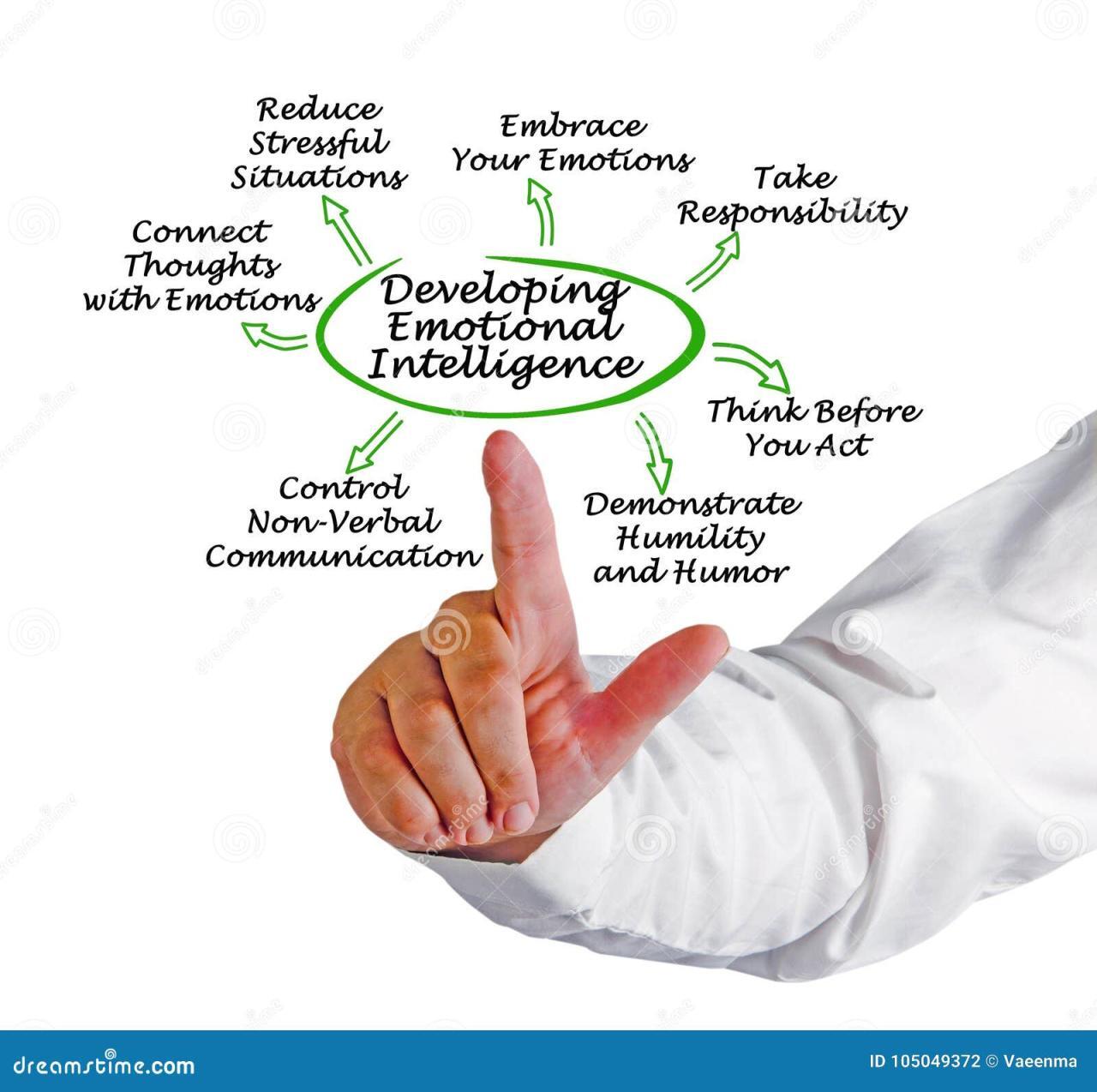
The journey of enhancing emotional intelligence (EI) is a lifelong commitment that requires intentional effort and a structured approach. Continuous improvement in EI not only benefits personal development but also enhances interpersonal relationships and professional success. This section Artikels a lifelong learning framework for enhancing emotional intelligence while providing valuable resources for ongoing development.Establishing a lifelong learning framework for emotional intelligence involves setting a clear path for continuous enhancement through self-reflection, practice, and education.
This framework emphasizes the importance of personal accountability and the integration of various learning methods to foster growth in emotional intelligence.
Lifelong Learning Framework for Emotional Intelligence
A comprehensive lifelong learning framework for improving emotional intelligence can be segmented into several key components:
- Self-Assessment: Regularly evaluate your emotional intelligence through self-assessment tools that measure various dimensions such as self-awareness, self-regulation, motivation, empathy, and social skills. This helps identify strengths and areas for improvement.
- Goal Setting: Establish specific, measurable, achievable, relevant, and time-bound (SMART) goals for your emotional intelligence development. This focused approach allows for clear objectives to strive towards.
- Education and Training: Engage in formal education through workshops, courses, or seminars that focus on emotional intelligence skills. Continuous learning opportunities create a structured environment for development.
- Practice and Application: Actively apply emotional intelligence skills in daily interactions and professional settings. Practicing empathy, active listening, and effective communication in real-life situations solidifies learning.
- Reflective Journaling: Maintain a reflective journal where you document experiences, thoughts, and feelings related to emotional interactions. This practice enhances self-awareness and encourages deeper understanding of personal emotional responses.
- Feedback Mechanisms: Seek constructive feedback from peers, mentors, and supervisors regarding your emotional intelligence competencies. This input is valuable for recognizing blind spots and areas needing focus.
Resources for Ongoing Development
To foster continuous improvement in emotional intelligence, various resources are available that cater to different learning preferences. These resources provide valuable insights and skills relevant to emotional intelligence enhancement.
- Books: Recommended readings include titles such as “Emotional Intelligence: Why It Can Matter More Than IQ” by Daniel Goleman, “The EQ Edge: Emotional Intelligence and Your Success” by Steven J. Stein, and “Primal Leadership” by Daniel Goleman, Richard Boyatzis, and Annie McKee. These texts offer foundational knowledge and practical strategies.
- Workshops and Seminars: Participate in workshops focused on emotional intelligence. Organizations like the Consortium for Research on Emotional Intelligence in Organizations offer various training programs.
- Online Courses: Platforms such as Coursera and Udemy provide access to courses on emotional intelligence that can be completed at your own pace, covering aspects from theory to practical applications.
- Podcasts and Webinars: Listening to experts discuss emotional intelligence through podcasts and webinars can provide new perspectives and insights while allowing for flexible learning.
- Professional Coaching: Consider hiring a certified emotional intelligence coach who can provide personalized guidance and support tailored to individual growth objectives.
Importance of Feedback and Mentorship
Feedback and mentorship play a crucial role in the growth of emotional intelligence. Constructive feedback helps individuals identify their emotional strengths and weaknesses, paving the way for targeted improvement. Engaging in regular discussions with mentors or peers about emotional interactions provides a safe environment for exploration and growth.
“Feedback is the breakfast of champions.”
Ken Blanchard
Mentorship enriches the development process by offering insights from experienced individuals who can guide you through challenges and share their own emotional intelligence journeys. Mentors can provide real-world scenarios that illuminate the application of emotional intelligence concepts, creating a richer learning experience.In summary, the continuous improvement of emotional intelligence requires a structured framework that incorporates self-assessment, goal setting, education, practice, reflective journaling, and feedback.
Utilizing available resources and embracing the importance of feedback and mentorship can significantly enhance emotional intelligence over time, leading to greater personal and professional fulfillment.
Final Conclusion
In conclusion, the path to enhancing emotional intelligence is both rewarding and essential. By integrating self-awareness, empathy, and effective communication into our daily routines, we can foster not only our own growth but also inspire those around us. As we continue to explore the methods and resources available for improving emotional intelligence, let us embrace this journey of continuous improvement and lifelong learning, ultimately leading to sharper minds and richer lives.