In an era where technology pervades every aspect of our lives, understanding how to disconnect from technology to recharge your memory has become increasingly vital. The incessant notifications and distractions can easily overwhelm our cognitive capabilities, leading to impaired focus and memory retention. By stepping away from our devices, we provide ourselves with the opportunity to rejuvenate our minds, enhance our memory functions, and regain clarity, which is crucial for both personal and professional success.
This exploration delves into the neuroscience behind our memory processes, highlights the signs that indicate a need for a break from technology, and offers practical strategies to help individuals reclaim their mental space. By recognizing the impact of technology on our cognitive functions and incorporating tech-free periods into our schedules, we can foster an environment conducive to improved memory and overall mental well-being.
Understanding the Impact of Technology on Memory
The pervasive use of technology in our daily lives has profound implications for cognitive functions, particularly memory. As we become increasingly reliant on digital devices for information, the way we retain and recall memories may be significantly altered. This section explores the intricate relationship between technology and memory, shedding light on the neuroscience that underpins these changes.
Cognitive Functions and Technology Use
Constant engagement with technology can lead to cognitive overload, impacting our ability to process and retain information. The brain’s capacity to manage multiple streams of information from devices, such as smartphones and computers, often results in fragmented attention. This fragmentation can hinder deep thinking and the formation of lasting memories. Key points regarding the effects of technology on cognitive functions include:
- Attention Span Reduction: Frequent notifications and alerts from devices can drastically reduce our attention span, making it challenging to concentrate on tasks for prolonged periods.
- Memory Offloading: The convenience of storing information on devices prompts individuals to rely less on their memory, resulting in weaker memory retention over time.
- Multi-tasking Detriments: Engaging in multiple tasks simultaneously, often encouraged by technology, can lead to decreased effectiveness in memory consolidation and recall.
Neuroscience Behind Memory Retention and Recall
Understanding how technology influences memory requires a closer look at the brain’s neuroplasticity and its mechanisms for storing and recalling information. Memory is not merely about retention but also involves processes such as encoding, storage, and retrieval. Technological distractions can interfere with these processes by impairing focus. Significant aspects of the neuroscience include:
- Encoding Processes: The initial step of transforming sensory input into a format that can be stored in the brain can be hampered by frequent disruptions from technological devices, leading to incomplete encoding.
- Storage Limitations: Studies suggest that digital information overload may surpass the brain’s capacity to store new memories, leading to difficulties in accessing and recalling information later.
- Retrieval Challenges: Distractions can impede the retrieval of stored memories, making it harder to recall information when needed, which can be further exacerbated by the superficial nature of online content.
Distractions from Devices and Memory Impairment
The omnipresence of technology introduces numerous distractions that can significantly impair cognitive functions. These distractions, whether through social media notifications or constant connectivity, can create an environment that is not conducive to effective memory retention. The following points highlight the adverse effects of distractions on memory:
- Interference with Focus: Continuous interruptions can lead to cognitive fatigue, diminishing the brain’s ability to focus and thus reducing the quality of memory formation.
- Reduced Engagement: Passive consumption of information via screens can foster shallow learning, wherein individuals do not fully engage with or process the information, leading to poor memory retention.
- Impact on Long-term Memory: Regular exposure to multitasking and distractions can contribute to difficulties in transitioning information from short-term to long-term memory, ultimately affecting knowledge retention.
“The more we rely on technology for retrieval, the less we engage in cognitive processes that strengthen our memory.”
Recognizing the Signs You Need a Break

In today’s hyper-connected world, technology has become an integral part of our daily lives. However, constant engagement with devices can lead to mental fatigue and decreased cognitive function. Understanding the signs that indicate a need for a break from technology is essential for maintaining both mental and physical health.Several behavioral patterns can signify excessive technology use, which often leads to a diminished quality of life.
Recognizing these signs early can help individuals take proactive steps towards a healthier balance.
Behavioral Patterns Indicating Excessive Technology Use
Individuals may exhibit certain behavioral patterns that indicate an over-reliance on technology. These patterns include, but are not limited to, the following:
- Frequent checking of devices even when not necessary, leading to disrupted conversations and activities.
- Prioritizing screen time over face-to-face interactions, which can weaken personal relationships.
- Experiencing feelings of restlessness or anxiety when separated from devices or unable to access the internet.
Recognizing these behaviors is crucial, as they can escalate into a cycle of dependency that is hard to break.
Physical and Mental Symptoms Suggesting a Need to Disconnect
Excessive technology use can manifest in various physical and mental symptoms. Being aware of these signs can prompt timely disconnection from devices to recharge. Common symptoms include:
- Eye strain or discomfort, often referred to as digital eye strain, causing headaches and blurred vision.
- Sleep disturbances such as insomnia, commonly linked to blue light exposure from screens before bedtime.
- Increased levels of stress or anxiety, stemming from constant notifications and the pressure to remain connected.
These physical and mental symptoms can significantly impact overall well-being, making it imperative to recognize them early.
Statistics on Technology Addiction and Its Effects on Mental Health
The prevalence of technology addiction is a growing concern worldwide. Recent studies have shed light on the extent of this issue and its implications for mental health. According to the Pew Research Center, approximately 45% of adults report feeling overwhelmed by the demands of technology, leading to chronic stress and anxiety. Furthermore, a study published in the Journal of Behavioral Addictions revealed that nearly 30% of individuals exhibit signs of problematic internet use, which is associated with increased depressive symptoms.
“Understanding the impact of technology on mental health is crucial for fostering a healthier relationship with devices.”
These statistics highlight the importance of taking regular breaks from technology to mitigate its adverse effects and promote mental clarity. By recognizing the signs that indicate a need for a break, individuals can better manage their relationship with technology and enhance their overall quality of life.
Strategies for Disconnecting from Technology
In an era where technology is omnipresent, finding ways to disconnect is essential for mental clarity and memory enhancement. This section Artikels effective strategies for gradually reducing technology usage, thus facilitating a healthier balance between the digital and real worlds.
Practical Steps for Gradual Reduction of Technology Usage
Implementing a gradual approach to reducing technology use ensures a smoother transition and helps mitigate withdrawal symptoms. The following steps can be taken to achieve this balance:
- Identify Time Wasters: Begin by tracking daily device usage for a week to identify apps or activities that consume excessive time without providing value.
- Prioritize Activities: Create a list of non-digital hobbies or interests that can replace screen time, such as reading, exercise, or outdoor activities.
- Designate Tech-Free Zones: Establish specific areas in your home, such as the dining room or bedroom, where technology usage is not permitted.
- Limit Notifications: Turn off non-essential notifications to reduce distractions and the impulse to check devices frequently.
Setting Specific Time Frames for Device-Free Periods
Establishing specific timeframes for device-free periods is crucial in creating habitual breaks from technology. By setting clear boundaries, individuals can better manage their screen time and increase their focus on other activities.
- Morning Routine: Start each day with at least one hour of device-free time. Use this period for mindfulness practices, exercise, or planning your day.
- Designated Evenings: Choose one evening per week to be completely technology-free, allowing yourself to engage in social activities or relaxation without screens.
- Scheduled Breaks: Implement short breaks every hour during work or study sessions to step away from devices and refresh your mind.
Daily Schedule Incorporating Technology Breaks
Creating a structured daily schedule that incorporates technology breaks can significantly enhance productivity and well-being. Below is an example of how to integrate these breaks into a typical day:
- 7:00 AM – 8:00 AM: Morning routine without devices.
- 8:00 AM – 9:00 AM: Technology usage for work or study.
- 9:00 AM – 9:15 AM: Take a break; engage in stretching or a brief walk.
- 12:00 PM – 1:00 PM: Lunch break; refrain from using devices to focus on eating and socializing.
- 3:00 PM – 3:15 PM: Afternoon break; practice mindfulness exercises or read a book.
- 6:00 PM – 7:00 PM: Evening activities without technology, such as attending social gatherings or exercising.
“Consciously disconnecting from technology at specific intervals can recharge not only your memory but also your overall mental health.”
Benefits of Taking a Break from Technology
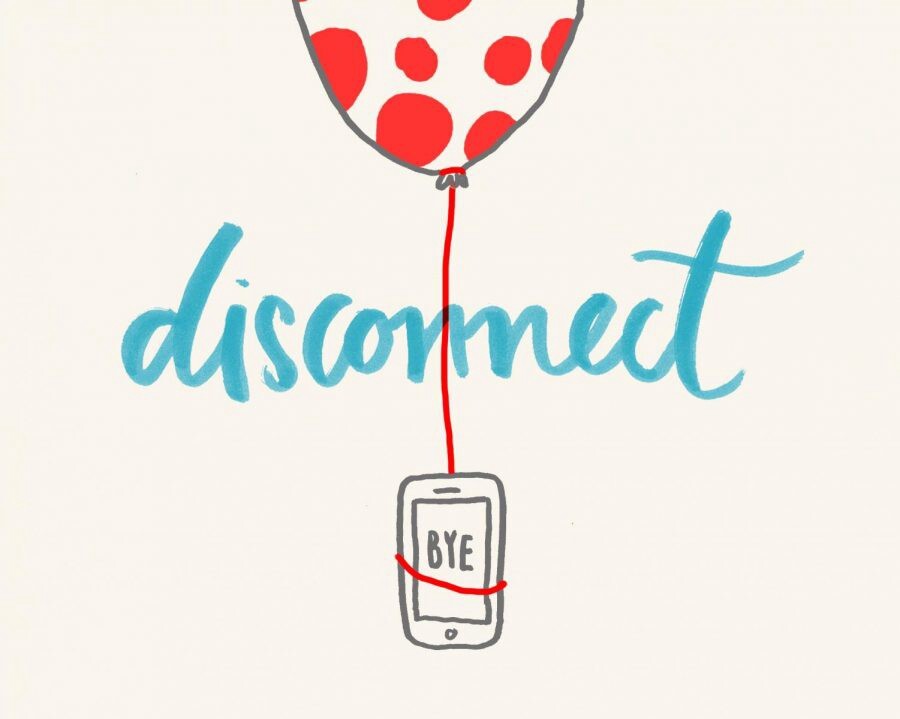
Taking regular breaks from technology offers significant cognitive improvements that can enhance overall memory and mental well-being. In our hyper-connected world, the constant barrage of information can lead to mental fatigue, making it essential to disconnect periodically. This practice not only rejuvenates the brain but also fosters clearer thinking and better retention of information.Engaging in tech-free periods has been shown to result in notable cognitive enhancements.
Such breaks can reduce cognitive overload and promote better focus and comprehension. Studies indicate that individuals who step away from their devices report improved memory recall, creativity, and problem-solving skills. The mental clarity gained from these breaks allows for deeper processing of information, leading to more effective learning.
Personal Experiences and Testimonials
Many individuals have shared their positive experiences following a conscious decision to disconnect from technology. For instance, a graduate student noted that after implementing a weekly digital detox, she found herself more focused during her studies and experienced less anxiety during exams. She commented, “Without the constant notifications, I was able to immerse myself in my textbooks and truly absorb the material.”Another individual, a marketing professional, reported significant improvements in his memory and creativity after taking a weekend retreat without any electronic devices.
He stated, “It felt liberating to not have my phone. I could think freely and came up with several innovative ideas that I later pitched successfully at work.”Furthermore, a retiree who embraced a tech-free lifestyle shared that engaging in activities such as reading physical books and practicing gardening led to vivid memories of his past and a renewed sense of creativity.
He expressed, “I have never felt sharper; my memory allows me to recall details I had long forgotten.”These testimonials illustrate that the cognitive benefits of disconnecting from technology extend beyond mere anecdotal evidence, highlighting a growing recognition of the impact of tech-free time on memory improvement.
Examples of Improved Memory Through Disconnecting
Numerous studies and real-life examples underscore the effectiveness of taking breaks from technology in enhancing memory. One notable study conducted by the University of California found that participants who spent a weekend in nature without electronic devices demonstrated a 50% increase in memory recall compared to those who remained connected. In another case, a group of researchers tracked students’ academic performance during periods of tech usage versus tech-free weeks.
Students reported better grades and increased participation in discussions during tech-free periods, attributing their success to improved focus and memory retention.Moreover, a tech firm organized a month-long challenge encouraging employees to unplug after work hours. Feedback indicated that employees felt less stressed and more productive, with many reporting enhanced memory and cognitive functioning during brainstorming sessions.The cumulative evidence highlights that stepping away from technology not only aids memory retention but also enriches personal experiences and cognitive resilience, demonstrating that the mind thrives when given the opportunity to rest and rejuvenate.
Alternative Activities to Recharge Your Memory
In an age dominated by technology, finding offline activities that stimulate memory and cognition is essential for mental well-being. Engaging in activities away from screens can enhance memory retention, improve focus, and foster creativity. This section explores various alternative activities designed to recharge your memory and promote cognitive health.
Offline Activities that Stimulate Memory and Cognition
Incorporating engaging offline activities into your routine can significantly enhance cognitive function and memory retention. Here are some effective activities:
- Reading Books: Immersing yourself in a good book encourages imagination and critical thinking. This practice not only improves comprehension skills but also enhances memory through the retention of plot details and character development.
- Puzzles and Games: Engaging in puzzles like crosswords, sudoku, or strategy board games can sharpen problem-solving skills and enhance memory. Such activities require concentration, strategic planning, and memory recall, making them excellent cognitive workouts.
- Physical Exercise: Regular physical activity increases blood flow to the brain, promoting the growth of new brain cells. Activities like jogging, yoga, or dance can improve mood and cognitive function, thereby enhancing memory.
- Nature Walks: Spending time in nature has been shown to reduce mental fatigue and improve memory. Nature walks stimulate the senses and can lead to enhanced mental clarity and focus.
Mindfulness Practices that Enhance Mental Clarity and Focus
Mindfulness practices are vital in fostering clarity and enhancing cognitive functions. These techniques can significantly improve concentration and memory retention. Consider the following methods:
- Meditation: Regular meditation helps train the mind to focus better, reducing distractions. This practice can improve attention span and memory by promoting mental discipline.
- Breathing Exercises: Simple breathing techniques can reduce stress and enhance mental clarity. Deep breathing exercises allow oxygen to flow more freely to the brain, promoting relaxation and better cognitive function.
- Mindful Journaling: Writing about daily experiences encourages reflection and memory recall. Journaling helps consolidate memories, making it easier to retrieve them later.
- Body Scan Techniques: This practice involves focusing attention on different parts of the body, which can help alleviate stress and improve focus. By promoting relaxation, body scans can aid in retaining information better.
Creative Hobbies that Promote Memory Retention
Engaging in creative hobbies is a powerful way to stimulate the brain and enhance memory retention. These activities foster new neural connections and reduce reliance on technology. Some creative hobbies to consider include:
- Painting or Drawing: Engaging in artistic activities stimulates the brain and can enhance memory through visualization and creativity. The process of creating art involves problem-solving, which can sharpen cognitive skills.
- Playing a Musical Instrument: Learning to play an instrument requires memory and coordination. This activity has been shown to enhance brain function and improve memory retention over time.
- Crafting: Hobbies such as knitting, sewing, or woodworking require focus and dexterity. These activities promote mindfulness and creativity, providing mental stimulation that can aid in memory retention.
- Cooking or Baking: Following recipes and experimenting with flavors engages the mind while allowing for creativity. Cooking requires memory skills for ingredient lists and techniques, enhancing cognitive function.
Creating a Tech-Free Environment
Establishing a tech-free environment is essential for individuals seeking to disconnect from screens and recharge their memory. By intentionally designing spaces that promote disconnection, one can foster a sense of calmness and focus, allowing for deeper reflection and engagement with the surrounding world. This process involves both physical space organization and the cultivation of mindful habits.Designing an area at home that encourages a break from devices involves thoughtful planning and consideration of one’s lifestyle.
Begin by selecting a specific space, such as a reading nook, a corner of a bedroom, or even a home office, where technology use can be minimized. The key elements to consider include furniture arrangement, lighting, and the overall ambiance. A comfortable chair, natural lighting from a window, and the absence of screens can create an inviting atmosphere for relaxation and concentration.
Minimalism and Its Role in Reducing Digital Clutter
Minimalism plays a crucial role in decluttering both physical and digital spaces, thus enhancing focus and mental clarity. By adopting a minimalist approach, one can significantly reduce distractions that technology often brings. To effectively implement minimalism in your tech-free environment, consider the following strategies:
- Assess Your Belongings: Regularly evaluate items in your chosen space. Keep only those that serve a purpose or bring joy, eliminating excess that can overwhelm the senses.
- Limit Digital Devices: Establish a rule for the number of devices allowed in your tech-free zone. Ideally, this space should be devoid of televisions, smartphones, or computers.
- Curate a Minimalist Aesthetic: Use neutral colors and simple designs to create a serene environment. Opt for open spaces that allow for easy movement and visual calmness.
- Incorporate Natural Elements: Integrate plants or natural materials into your environment, which can enhance mood and create a refreshing atmosphere.
Setting boundaries with technology in shared spaces is an important aspect of maintaining a tech-free environment. This involves creating agreements with family members or housemates regarding technology usage during specific times or in designated areas. Establishing clear expectations can help to foster a collective commitment to reducing screen time and encouraging engagement in other activities.Implementing these measures can significantly enhance the quality of interaction among individuals in shared spaces, promoting deeper connections and shared experiences.
For example, family dinners could become a tech-free zone, allowing for meaningful conversations without the disruption of notifications or calls.
“Creating a tech-free environment is not just about reducing screens; it’s about increasing presence and connection.”
Long-term Strategies for Sustainable Tech Use

In today’s fast-paced digital age, finding a balance between technology use and mental well-being is paramount. Sustainable tech use involves integrating digital tools into our lives mindfully, ensuring they enhance rather than detract from our memory and cognitive functions. By adopting long-term strategies, individuals can cultivate a healthier relationship with technology, leading to improved memory retention and quality of life.Establishing a framework for mindful technology use is essential for maximizing its benefits while minimizing potential downsides.
This requires intentional planning, self-awareness, and regular assessments of one’s digital habits. By fostering an environment conducive to cognitive health, individuals can create a sustainable tech usage pattern that supports memory and overall well-being.
Mindful Integration of Technology
Mindful integration of technology into daily life is crucial for maintaining a healthy balance. Implementing specific strategies can help mitigate the adverse effects of excessive digital engagement. Here are several effective methods:
- Set clear boundaries for technology use, such as designated times for social media and email checking, to prevent it from encroaching on personal and family time.
- Utilize technology for purposeful activities, such as educational apps, instead of mindless scrolling, which can enhance learning and memory retention.
- Engage in daily reflection by maintaining a digital usage journal that tracks how much time is spent on various platforms and the impact of that usage on mood and productivity.
Regular Scheduling of Digital Detoxes
Incorporating regular digital detox periods into one’s routine is vital for mental clarity and cognitive health. Scheduling these breaks allows individuals to recharge and can significantly enhance memory function. The following considerations are important when planning detoxes:
- Establish a weekly tech-free day or evening to disconnect from all digital devices, focusing instead on in-person interactions, hobbies, or nature.
- Plan a monthly weekend getaway where technology is limited, allowing for a complete break from digital distractions and fostering rejuvenation.
- Incorporate short daily breaks from screens, where individuals can engage in mindfulness, meditation, or physical activities, promoting mental relaxation.
Balancing Technology Use with Memory-Enhancing Activities
Balancing technology use with activities that enhance memory is essential for cognitive health. Engaging in memory-boosting exercises can counteract the effects of digital overuse. Here are approaches to achieve this balance:
- Dedicate time to reading physical books or engaging in puzzles and games that challenge the mind, promoting cognitive skills and memory retention.
- Incorporate brain-training apps that focus on memory improvement, ensuring they are used within established boundaries to prevent over-dependence on technology.
- Participate in group activities such as discussions or workshops that encourage memory sharing and communal learning, enhancing retention through social engagement.
“A balanced approach to technology ensures that it serves as a tool for improvement rather than a source of distraction.”
End of Discussion

In conclusion, disconnecting from technology not only enhances our memory but significantly contributes to our overall mental clarity and emotional health. By implementing the strategies discussed, such as creating tech-free zones and engaging in alternative activities, we can cultivate healthier relationships with our devices while enriching our cognitive abilities. Embracing these practices not only allows us to recharge our memory but also empowers us to live more fulfilling and present lives, free from the constant pull of technology.