In an era where distractions abound, understanding how to improve your concentration for better learning is paramount. Concentration serves as the bedrock of effective learning, allowing individuals to absorb and retain information more efficiently. By delving into the neurological underpinnings of concentration, we can appreciate its significance in the learning process and distinguish it from mere attention, which is often fleeting.
This exploration will highlight various factors impacting concentration, including environmental influences, age-related challenges, and lifestyle choices. It will also introduce practical techniques like mindfulness, the Pomodoro Technique, and specific exercises, all aimed at enhancing focus in our daily routines.
Understanding Concentration
Concentration is a cognitive process that involves focusing mental effort on specific tasks or information while filtering out distractions. It plays a crucial role in learning by allowing individuals to absorb and process information effectively. Without proper concentration, the ability to learn and retain new knowledge is significantly compromised.The neurological basis of concentration involves complex interactions within various brain regions, notably the prefrontal cortex, which is responsible for executive functions such as attention, decision-making, and impulse control.
When a person concentrates, neural pathways are activated, enhancing the ability to encode information into memory. This process supports learning by enabling individuals to make connections between new concepts and existing knowledge. Research indicates that sustained concentration leads to more meaningful learning experiences, as it allows for deeper cognitive processing.
Difference Between Attention and Concentration
Attention and concentration are often used interchangeably, but they refer to distinct cognitive processes. Attention is the ability to notice and focus on specific stimuli in the environment, while concentration involves the sustained mental effort applied to a particular task or thought over time. Understanding this difference is essential for improving learning strategies.Attention can be viewed as the initial stage of the cognitive process, where an individual selects certain stimuli for further processing.
In contrast, concentration requires maintaining that focus for an extended period, often in the face of potential distractions. The relationship between these two concepts is vital; effective attention can enhance concentration, leading to improved learning outcomes. The following points summarize the distinctions between attention and concentration:
- Nature: Attention is about noticing, while concentration is about maintaining focus.
- Duration: Attention can be fleeting; concentration involves sustained mental effort.
- Cognitive Load: Attention is often divided among multiple stimuli, whereas concentration requires undivided resources on a single task.
- Role in Learning: Attention serves as the gateway to information, while concentration is essential for deeper understanding and retention.
“Attention acts as a filter for the information we process, while concentration ensures we delve deeply into the selected content.”
Factors Affecting Concentration
Concentration is a pivotal element of effective learning, and various factors can significantly influence an individual’s ability to focus. Understanding these factors is essential for anyone looking to enhance their concentration and, consequently, their learning outcomes. This section will delve into common distractions, the impact of the environment, and how concentration challenges can vary across different age groups.
Common Distractions that Hinder Concentration
Numerous distractions can disrupt focus, leading to diminished learning capacities. These distractions can be external or internal, and recognizing them is vital for improving concentration. Common distractions include:
- Digital Devices: Mobile phones, tablets, and computers often divert attention due to notifications, social media, and entertainment options.
- Environmental Noise: Sounds from conversations, traffic, or music can create a challenging atmosphere for concentration.
- Multitasking: Attempting to juggle multiple tasks simultaneously can lead to a decline in overall focus and productivity.
- Personal Concerns: Stress, anxiety, or personal issues can occupy mental space, making it difficult to concentrate on learning tasks.
The Role of Environment in Enhancing or Diminishing Concentration
The environment in which learning takes place plays a crucial role in concentration levels. A well-structured and conducive setting can significantly facilitate focus, while a chaotic location can hinder it. Key elements to consider include:
- Lighting: Adequate and comfortable lighting can enhance focus, while poor lighting may lead to fatigue and distraction.
- Organization: A tidy and organized workspace can help minimize visual distractions and promote better concentration.
- Comfort: Proper seating and ergonomics contribute to physical comfort, allowing individuals to focus on tasks without discomfort.
- Temperature: A balanced room temperature can prevent discomfort and maintain an optimal concentration level.
Creating a conducive learning environment is essential for maintaining concentration and enhancing overall productivity.
Concentration Challenges Across Different Age Groups
The ability to concentrate often varies significantly between different age groups due to cognitive development, lifestyle factors, and environmental influences. An understanding of these differences can help tailor strategies to enhance focus. For instance:
- Children: Young learners often exhibit shorter attention spans, making them more susceptible to distractions. This can be improved by using engaging materials and interactive learning methods.
- Adolescents: Teenagers may face distractions from social media and peer pressure, impacting their concentration. Structured routines and positive reinforcement can aid in maintaining focus.
- Adults: Adult learners may struggle with multitasking between work and personal obligations, often leading to divided attention. Time management strategies and dedicated study periods can enhance their concentration.
- Seniors: Older adults may experience cognitive changes that affect concentration. Strategies such as regular mental exercises and a stable routine can support their focus and learning capacity.
Techniques to Improve Concentration
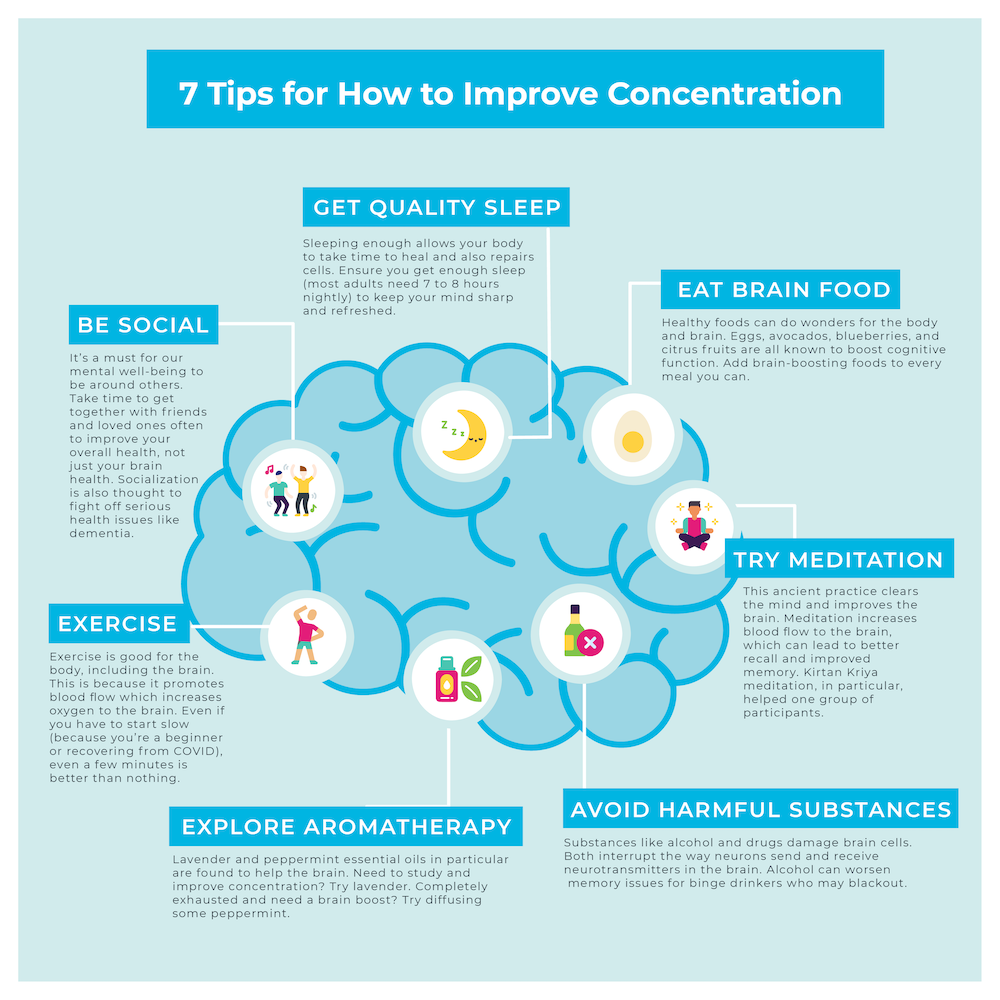
Improving concentration is essential for effective learning and productivity. Various techniques can be employed to enhance one’s ability to focus, allowing for deeper engagement with material and better retention of information. This section explores practical methods that can be incorporated into daily life to boost concentration levels.
Mindfulness Practices for Enhanced Focus
Practicing mindfulness can significantly improve focus and concentration by training the mind to remain present and engaged. By incorporating mindfulness techniques into your routine, you can cultivate a state of awareness that reduces distractions and enhances cognitive control. A few effective mindfulness methods include:
- Mindful Breathing: Spend a few minutes each day focusing solely on your breath. Inhale deeply through the nose, hold for a moment, and exhale slowly through the mouth. This practice calms the mind and sharpens attention.
- Body Scan Meditation: Lie down comfortably and mentally scan your body from head to toe. Acknowledge any sensations without judgment. This technique promotes relaxation and awareness of physical presence, enhancing concentration.
- Mindful Observation: Choose an object in your environment and observe it closely for a few minutes. Note its colors, shapes, and textures. This practice helps to anchor your attention and reduce wandering thoughts.
The Pomodoro Technique
The Pomodoro Technique is a time management method that encourages sustained focus and bursts of productivity. Developed by Francesco Cirillo in the late 1980s, this technique involves breaking work into intervals, traditionally 25 minutes in length, separated by short breaks. This approach not only enhances concentration but also decreases mental fatigue.The effectiveness of the Pomodoro Technique can be attributed to its structured intervals which allow for intense focus followed by restorative breaks.
To implement this technique:
- Choose a specific task to work on.
- Set a timer for 25 minutes (one Pomodoro).
- Work on the task until the timer rings.
- Take a 5-minute break to recharge.
- After completing four Pomodoros, take a longer break of 15-30 minutes.
Incorporating this method can help in managing distractions, improving time management, and fostering a more productive learning environment.
Concentration Exercises for Daily Routines
Engaging in regular concentration exercises can help sharpen the mind and improve focus over time. These exercises can be seamlessly integrated into daily routines, making them convenient and effective for enhancing concentration.Consider the following exercises:
- Concentration Grids: Create a grid of numbers or letters and set a timer. Try to find specific patterns or sequences within the grid, which sharpens visual attention and cognitive processing.
- Memory Games: Play memory card games or use apps designed to improve working memory. These games challenge the brain and enhance focus through repetitive recall.
- Cognitive Puzzles: Engage in crossword puzzles, Sudoku, or logic puzzles. These activities require concentration and problem-solving skills, which can translate into improved focus in academic or professional settings.
By regularly practicing these techniques and exercises, individuals can cultivate an environment conducive to improved concentration and enhanced learning outcomes.
Healthy Lifestyle Choices

Maintaining a healthy lifestyle is crucial for enhancing concentration and cognitive function. Nutrition, sleep, and physical activity are three significant aspects of a healthy lifestyle that directly influence our ability to focus and learn effectively. Understanding how each of these components affects our brain and body can lead to improved concentration and better academic or professional performance.
Impact of Nutrition on Concentration and Cognitive Function
Nutrition plays a vital role in brain health and cognitive function. A balanced diet provides the essential nutrients needed for optimal brain performance, including vitamins, minerals, and macronutrients. Certain foods have been shown to enhance concentration and memory, while others may impair cognitive abilities. Key nutrients that positively affect concentration include:
- Omega-3 Fatty Acids: Found in fatty fish like salmon, walnuts, and flaxseeds, omega-3 fatty acids are essential for brain health and can improve memory and learning capabilities.
- Antioxidants: Foods rich in antioxidants, such as berries, dark chocolate, and green leafy vegetables, help combat oxidative stress and inflammation, which can hinder cognitive function.
- Complex Carbohydrates: Whole grains, fruits, and vegetables provide a steady supply of glucose, which is vital for maintaining energy levels and focus throughout the day.
Incorporating these nutrient-rich foods can significantly enhance cognitive performance, ensuring that the brain receives the necessary fuel to concentrate effectively.
Importance of Sleep and Its Relationship to Learning and Concentration
Sleep is a crucial factor in cognitive function and concentration. During sleep, the brain processes information acquired throughout the day and consolidates memories, making it easier to recall information later. Lack of sleep can lead to cognitive impairments, including reduced attention span, slower reaction times, and diminished problem-solving abilities.Research indicates that individuals who achieve adequate sleep are better equipped to concentrate and perform well in academic and professional settings.
Here are some key points highlighting the importance of sleep:
- Memory Consolidation: Sleep enhances the brain’s ability to transfer information from short-term to long-term memory, facilitating learning.
- Attention Restoration: Sufficient sleep restores attention capacity, allowing individuals to focus for longer periods without fatigue.
- Mood Regulation: Quality sleep contributes to emotional stability, which can influence motivation levels and concentration.
Prioritizing quality sleep can lead to substantial improvements in learning outcomes and concentration levels.
Role of Physical Activity in Boosting Concentration Levels
Physical activity is not only beneficial for physical health but also has a profound impact on mental performance. Engaging in regular exercise increases blood flow to the brain, which can enhance cognitive function and improve concentration. Research has demonstrated that even modest physical activity can yield significant benefits for concentration:
- Increased Blood Flow: Exercise promotes cardiovascular health, leading to improved blood circulation and oxygen supply to the brain.
- Endorphin Release: Physical activity stimulates the release of endorphins, which can elevate mood and reduce stress, creating a more conducive environment for concentration.
- Structured Routine: Incorporating regular exercise into one’s daily routine can enhance discipline and focus, translating into improved concentration in academic or work tasks.
Ultimately, making informed lifestyle choices regarding nutrition, sleep, and physical activity can lead to marked improvements in concentration and learning. Adopting these healthy habits not only supports cognitive function but also fosters an overall sense of well-being.
Technology and Concentration
The advancements in technology have transformed the way we learn and interact with information; however, they also present unique challenges to our ability to concentrate. Digital distractions, such as social media notifications and incessant multitasking, can significantly impair our focus and hinder the learning process. Understanding the impact of these distractions and leveraging technology wisely can lead to enhanced concentration and improved educational outcomes.Digital distractions can manifest in various forms, including smartphones, tablets, and computers, which continuously vie for our attention.
The constant ping of notifications and the temptation to switch tasks can fragment our focus. Research has shown that it takes an average of 23 minutes to regain full concentration after an interruption. This disruption not only affects learning but also reduces overall productivity, making it essential to cultivate strategies that mitigate these distractions.
Applications and Tools Designed to Improve Focus
To effectively manage digital distractions and enhance concentration, several applications and tools have been developed. These resources are designed to help users create an environment conducive to focused learning. Firstly, applications like Forest utilize a unique approach by allowing users to grow virtual trees while they stay focused; leaving the app leads to the tree’s demise, encouraging commitment to focused study sessions.
Similarly, Focus@Will offers curated music tracks scientifically designed to improve concentration and maintain focus during study or work sessions.Additionally, StayFocused is a browser extension that limits the time spent on distracting websites, enabling users to set boundaries and remain on task. Another useful tool is Trello, which helps organize tasks visually and prioritize effectively, reducing the cognitive load associated with managing numerous responsibilities.
Creating a Balanced Relationship with Technology
Building a balanced relationship with technology is essential for promoting better learning and concentration. Establishing guidelines for technology use can help mitigate its distracting effects. To foster this balance, consider the following strategies:
1. Set Specific Time Blocks
Allocate dedicated time for learning, free from digital distractions. During these periods, disable notifications and place devices out of reach.
2. Use Focus Tools
Implement focus-enhancing applications mentioned earlier to create an interruption-free environment.
3. Schedule Breaks
Regularly scheduled breaks can help refresh the mind, making it easier to maintain concentration during study sessions.
4. Mindful Technology Use
Engage with technology purposefully. Assess which apps and platforms serve educational purposes and which contribute to distraction.
5. Digital Detox
Occasionally disconnect from technology altogether to recalibrate and enhance focus when returning to studies.By applying these strategies, learners can enhance their concentration while utilizing technology effectively to support their educational endeavors.
Creating a Productive Learning Environment

Establishing a conducive learning environment is a crucial aspect of improving concentration and enhancing overall academic performance. A well-designed study space can significantly reduce distractions and foster a mindset geared towards learning. By strategically organizing materials and adhering to a structured routine, individuals can create a setting that not only supports concentration but also encourages lasting engagement with the material.
Designing an Ideal Study Space
A thoughtfully arranged study space can minimize distractions and elevate focus levels. Factors such as lighting, furniture arrangement, and noise control contribute to an optimal environment. To achieve this, consider the following recommendations:
- Choose a quiet location: Select a space away from high-traffic areas of the home, such as living rooms or kitchens, to limit interruptions.
- Optimize lighting: Ensure adequate natural or artificial lighting to reduce eye strain and maintain alertness during study sessions.
- Ergonomic furniture: Invest in a comfortable chair and desk at the appropriate height to support proper posture and prevent fatigue.
- Minimize clutter: Keep the study area tidy and organized, removing unnecessary items that may divert attention from learning tasks.
- Incorporate personal touches: Add motivational quotes or images that inspire focus and dedication to your academic goals.
Organizing Study Materials
Organizing study materials efficiently can enhance focus and streamline the learning process. When students know where to find their resources, they can dedicate more time to studying rather than searching for materials. Effective strategies include:
- Use binders or folders: Categorize notes and resources by subject or topic, making it easier to locate essential materials when needed.
- Digital organization: Utilize cloud storage or applications designed for note-taking and organization, allowing easy access from various devices.
- Create a study schedule: Develop a planner that Artikels specific study times and topics to be covered, helping to keep track of progress and deadlines.
- Employ color coding: Assign colors to different subjects or categories, which can aid memory retention and quick identification.
Importance of Routine and Structure
Establishing a routine is vital for maintaining concentration over time. A consistent daily schedule helps the brain adapt to specific study times, making it easier to enter a productive mindset. To effectively implement routine and structure, consider the following components:
- Set fixed study hours: Allocate specific times each day dedicated solely to studying, reinforcing a habit that promotes concentration.
- Incorporate breaks: Use techniques such as the Pomodoro Technique, which involves studying for 25 minutes followed by a 5-minute break, to maintain energy levels and focus.
- Prioritize tasks: Start with the most challenging subjects when energy levels are highest, allowing for concentrated effort during peak focus times.
- Reflection and adjustment: Regularly assess the effectiveness of your study routine and make necessary adjustments to improve efficiency.
“A productive environment is one that supports your learning goals and enhances your focus.”
Long-term Strategies for Sustained Concentration

Setting long-term strategies for sustained concentration is essential for effective learning. These strategies not only enhance focus but also foster a deeper understanding of the material being studied. By adopting specific methods, learners can create an environment conducive to sustained concentration, ultimately leading to improved academic performance and personal growth.
Benefits of Setting Specific Goals for Learning
Establishing specific learning goals creates a clear focus and direction, which significantly enhances concentration. By defining what is to be achieved, learners can allocate their cognitive resources more effectively. Specific goals also provide motivation, making the learning process more engaging.
- Clarity in Objectives: Clearly defined goals help break down complex material into manageable parts, allowing learners to concentrate on one aspect at a time.
- Enhanced Motivation: Goals provide a sense of purpose, driving learners to stay focused and committed to their studies.
- Measurable Progress: Setting specific targets enables learners to track their progress, which can reinforce their commitment and improve concentration over time.
Developing a Growth Mindset
Cultivating a growth mindset is instrumental in enhancing concentration over time. This mindset encourages learners to view challenges as opportunities for growth rather than obstacles. Embracing a growth mindset fosters resilience and determination, traits that are essential for maintaining focus during challenging learning tasks.
- Embracing Challenges: A growth mindset encourages individuals to take on difficult subjects, viewing them as a chance to improve rather than a threat to their abilities.
- Learning from Criticism: Feedback is seen as a means for improvement, motivating learners to concentrate more on areas that require development.
- Persistence in Learning: A growth mindset fosters perseverance, leading learners to maintain concentration even when faced with setbacks.
Regular Self-assessment and Reflection on Concentration Habits
Engaging in regular self-assessment is vital for understanding and improving concentration habits. By reflecting on their learning processes, individuals can identify patterns, strengths, and areas for improvement. This practice not only aids in developing sustained concentration but also promotes self-awareness.
- Journaling Experiences: Keeping a record of concentration levels during different tasks can help identify what strategies work best for the individual.
- Setting Reflection Times: Allocating specific times for reflection encourages learners to assess their concentration and make necessary adjustments.
- Seeking Feedback: Discussing concentration habits with peers or mentors can provide additional insights and alternative strategies for improvement.
“Regular reflection enhances self-awareness, which is crucial for developing effective concentration habits over time.”
Final Summary

In conclusion, enhancing concentration for more effective learning is a multifaceted endeavor that encompasses various strategies and lifestyle adjustments. By fostering a conducive environment, embracing healthy habits, and utilizing technological aids judiciously, individuals can significantly improve their focus and learning outcomes. Through commitment and self-reflection, anyone can cultivate sustained concentration that not only benefits academic pursuits but enriches overall cognitive abilities.