How to Improve Your Memory After 40 sets the stage for this enthralling narrative, offering readers a glimpse into a story that is rich in detail. As we age, our cognitive faculties undergo significant changes that can influence our memory, prompting many to seek effective techniques and lifestyle adjustments to bolster their mental acuity. With statistics indicating a rise in memory-related challenges among older adults, understanding the importance of memory improvement becomes paramount, not just for cognitive health but also for a fulfilling life.
This article delves into various strategies that can be employed to enhance memory, exploring techniques such as mnemonic devices and the role of social interactions. Furthermore, it addresses the impact of physical health, sleep quality, and even technological aids on memory retention. By engaging with these elements, individuals can adopt a proactive approach to maintaining and improving their memory as they navigate their forties and beyond.
Importance of Memory Improvement After 40
As individuals age, particularly after the age of 40, various cognitive changes can manifest, influencing memory and overall mental acuity. It is vital to recognize the importance of memory improvement during this stage of life, as enhanced memory function not only supports daily activities but also contributes to overall well-being and quality of life. By understanding the implications of age-related cognitive changes and statistics surrounding memory issues, individuals can take proactive measures to foster a sharper memory.
Cognitive changes post-40 often involve a gradual decline in working memory, processing speed, and the ability to multitask. Research indicates that the brain undergoes structural changes, such as a reduction in the volume of the hippocampus, a key area associated with memory. According to studies conducted by the National Institute on Aging, nearly 40% of adults over 50 report experiencing some form of memory loss.
Furthermore, a report from the Alzheimer’s Association states that the prevalence of dementia doubles every five years after the age of 65, highlighting the urgency of memory improvement efforts in this demographic.
Psychological Benefits of Memory Enhancement
Improving memory in later life offers numerous psychological benefits that extend beyond mere recall. Engaging in cognitive exercises and memory-enhancing activities can lead to heightened self-esteem and a greater sense of control over one’s life. An active approach to memory improvement can serve to alleviate feelings of anxiety associated with cognitive decline.
The following are key psychological benefits associated with enhancing memory in older adults:
- Increased Confidence: Successfully recalling information reinforces a positive self-image and boosts confidence in one’s cognitive abilities.
- Improved Social Engagement: Enhanced memory can lead to better communication and interpersonal interactions, fostering meaningful relationships.
- Enhanced Lifelong Learning: Memory improvement facilitates the acquisition of new skills and knowledge, promoting intellectual growth and personal development.
- Reduction of Cognitive Decline Anxiety: Actively working on memory can mitigate fears related to aging and cognitive impairment, fostering a more positive outlook on life.
Improving memory after the age of 40 is not merely about retaining information. It plays a critical role in maintaining psychological health and emotional well-being, thus enriching one’s life experiences in the later stages of life.
Techniques for Enhancing Memory
Improving memory after the age of 40 can involve several effective techniques that help individuals retain information and recall it when necessary. These techniques not only bolster memory but also contribute to overall cognitive health. The following methods serve as practical tools to enhance memory capabilities and facilitate better learning experiences.
Mnemonic Devices
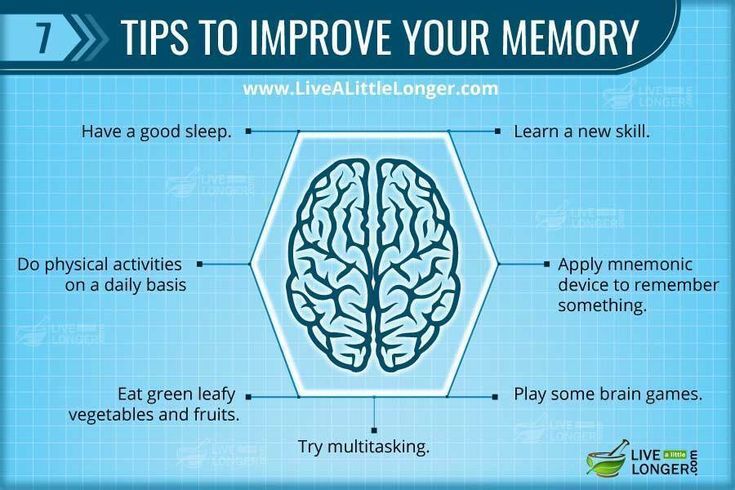
Mnemonic devices serve as memory aids that help encode information in a more memorable format. These include techniques such as acronyms, rhymes, and visualization. For example, to remember a list of items, one might create an acronym from the first letters of each item. This transforms abstract information into a format that is easier to recall. Additionally, rhyming can make information stick in the mind, as can creating vivid mental images associated with the material.
Visualization Techniques
Visualization involves creating mental images to represent information. This technique can enhance memory retention by connecting concepts to visual representations. For instance, if one is trying to remember a person’s name, envisioning that person alongside an image or an object that correlates with their name can establish a mental link. Creating a mind map can also aid in organizing thoughts visually, allowing for better retention of complex information.
Chunking Information
Chunking is the process of breaking down large amounts of information into smaller, manageable units or “chunks.” This technique is especially useful for memorizing numbers, dates, or lengthy texts. For example, a phone number is often chunked into sections (such as 123-456-7890) to make it easier to recall. When learning a new topic, grouping related concepts can enhance understanding and retrieval of the material later.
Mental Exercises and Brain Games
Regular mental exercises play a vital role in enhancing memory. Engaging in puzzles, crosswords, and brain games can stimulate cognitive function and improve memory. Research has shown that activities like Sudoku, chess, and memory matching games can increase neural plasticity, thereby protecting against cognitive decline. Incorporating these activities into daily routines can lead to significant benefits in memory retention and overall brain health.
Maintaining a Learning Mindset
Adopting a learning mindset entails continuously seeking new knowledge and experiences throughout life. This proactive approach encourages brain development and strengthens memory capabilities. Engaging in lifelong learning can involve taking classes, attending workshops, or even exploring new hobbies. By challenging the mind with varied content, individuals can create new neural pathways, enhancing their ability to remember and process information effectively.
The pursuit of knowledge and brain engagement is crucial for sustaining cognitive health and improving memory.
Lifestyle Changes to Support Memory

Making proactive lifestyle changes can significantly enhance memory retention and overall cognitive function, especially after the age of 40. As individuals age, the brain’s structure and function undergo various changes, which can impact memory. Therefore, incorporating specific dietary adjustments, regular physical exercise, and mindfulness practices into daily routines can support brain health and improve memory.
Dietary Changes that Promote Brain Health
A well-balanced diet plays a crucial role in maintaining cognitive function and memory retention. Certain nutrients are particularly beneficial for brain health. For instance, omega-3 fatty acids found in fatty fish, such as salmon and mackerel, have been shown to support brain structure and function. Additionally, antioxidants, vitamins, and minerals from fruits, vegetables, nuts, and whole grains can protect brain cells from damage.
The Mediterranean diet, rich in fruits, vegetables, whole grains, fish, and healthy fats, has been associated with improved cognitive function. It is essential to limit the intake of processed foods, sugars, and unhealthy fats, as these can negatively affect brain health.
Incorporating nutrient-rich foods into daily meals can help safeguard memory and cognitive abilities.
Impact of Physical Exercise on Memory and Cognitive Function
Regular physical activity is not only vital for maintaining physical health but also plays a significant role in cognitive function and memory enhancement. Exercise increases blood flow to the brain, promoting the growth of new neurons and enhancing synaptic plasticity, which are critical for memory formation. Engaging in aerobic exercises, such as walking, running, cycling, or swimming, has been linked to improved memory and cognitive abilities.
It is recommended to participate in at least 150 minutes of moderate aerobic activity weekly to reap these cognitive benefits.
Physical exercise enhances blood flow to the brain, supporting memory and cognitive development.
Mindfulness and Stress Reduction Techniques
Incorporating mindfulness and stress reduction techniques into daily life can significantly improve memory and cognitive function. Chronic stress can impair memory and cognitive processes, while mindfulness practices such as meditation, deep breathing, and yoga can reduce stress levels and enhance focus.Establishing a daily routine that includes mindfulness practices can lead to improvements in overall mental clarity and memory retention. Techniques such as guided meditation, mindful breathing exercises, and even simple practices like taking short breaks to focus on breathing can foster a calmer mindset conducive to better memory function.
Regular mindfulness practices can improve focus and memory retention by reducing stress.
Social Interactions and Memory
Engaging in social interactions is a vital aspect of maintaining cognitive health, particularly as we age. The brain thrives on connections, and meaningful relationships contribute significantly to improving memory function. Social engagement not only combats feelings of loneliness but also stimulates mental processes that enhance cognitive abilities.Participating in group activities serves as a powerful tool for fostering social connections and stimulating the mind.
These activities can provide mental challenges and opportunities for collaboration, both of which are essential for memory enhancement. Some notable examples include:
Group Activities that Stimulate the Mind
Group activities play a crucial role in enhancing cognitive health through shared experiences and intellectual engagement. These activities keep the brain active and promote social bonding, both of which are beneficial for memory improvement. Examples of such activities include:
- Book Clubs: Reading and discussing literature fosters critical thinking and enhances comprehension, allowing participants to engage with new ideas and perspectives.
- Board Game Nights: Games like chess and Scrabble require strategic thinking and memory recall, providing a fun yet challenging way to engage the brain.
- Art Classes: Creative endeavors encourage both individual expression and group collaboration, which can stimulate cognitive functions and improve memory retention.
- Exercise Groups: Physical activity, especially in a social setting, enhances mental sharpness and can lead to improved memory through the release of endorphins and increased blood flow to the brain.
Maintaining relationships is essential for cognitive health, as strong social bonds have been linked to improved memory functions. Studies have shown that individuals with active social lives are less likely to experience cognitive decline. The act of engaging with friends and family stimulates the brain through conversations, shared experiences, and emotional support.
“Social engagement is not just a luxury; it is essential for sustained cognitive health.”
Regular interactions with others can also create a supportive environment where individuals feel encouraged to learn and grow. This nurturing atmosphere inspires curiosity and motivates individuals to seek new experiences, further contributing to memory enhancement. By prioritizing social interactions, individuals can significantly improve their cognitive health and memory capabilities as they navigate their 40s and beyond.
Sleep and Memory

Quality sleep plays a vital role in memory consolidation, which is essential for individuals over 40 who aim to enhance their cognitive abilities. As we age, understanding the relationship between sleep and memory becomes increasingly important, as our cognitive function can be significantly impacted by sleep patterns.The connection between quality sleep and memory consolidation is well-established in scientific literature. During sleep, particularly during the rapid eye movement (REM) stage, the brain processes and consolidates information acquired during the day.
This process helps solidify new memories and allows for better recall. Lack of sufficient sleep can impair this function, leading to difficulties in memory retention and recall, which can become more pronounced with age.
Establishing a Sleep Routine to Enhance Memory
Creating a consistent sleep routine is crucial for improving memory. A well-structured routine aids in regulating the body’s internal clock, enhancing the quality of sleep. Here are several tips that can be implemented to establish an effective sleep routine:
- Set a regular sleep schedule by going to bed and waking up at the same time daily, even on weekends, to help stabilize circadian rhythms.
- Create a sleep-friendly environment by ensuring the bedroom is dark, cool, and quiet, which promotes better sleep quality.
- Avoid stimulants such as caffeine and nicotine, particularly in the hours leading up to bedtime, as they can disrupt sleep patterns.
- Engage in relaxing pre-sleep activities, such as reading or practicing mindfulness, to help signal to the body that it is time to wind down.
- Limit screen time before bed, as the blue light emitted by devices can interfere with the production of melatonin, a hormone essential for sleep.
The cumulative effect of these practices can result in improved sleep quality, directly contributing to enhanced memory consolidation and overall cognitive function.
Effects of Sleep Disorders on Cognitive Function
Sleep disorders, such as insomnia and sleep apnea, can have detrimental effects on cognitive function, particularly in adults over 40. These conditions often result in fragmented sleep, leading to insufficient rest and reduced memory performance. Research indicates that individuals suffering from untreated sleep apnea may experience significant memory impairments, as the repeated interruptions in breathing disrupt the sleep cycle and hinder the brain’s ability to function optimally.
“Quality sleep is not just a luxury; it is a necessity for maintaining cognitive health as we age.”
Addressing sleep disorders should be a priority for those looking to improve their memory and cognitive abilities. Seeking professional evaluation and treatment options can lead to improved sleep quality, which, in turn, can enhance memory retention and overall mental clarity. By prioritizing sleep, individuals can take proactive steps toward maintaining their cognitive health and improving their quality of life.
Technology and Memory Aids
As we navigate life beyond the age of 40, the integration of technology into our daily routines can serve as a valuable ally in enhancing memory and cognitive function. The digital landscape offers a plethora of tools and applications designed specifically to support memory training and organization, making it easier to manage our increasingly complex lives. By leveraging these advancements, individuals can significantly improve their memory capabilities and overall mental agility.
Apps and Tools for Memory Training
Numerous applications and digital tools are available that can assist in memory training and enhancement. These resources can provide engaging ways to stimulate cognitive skills and promote brain health. Here are some notable examples:
- Lumosity: This app offers a variety of games tailored to improve cognitive skills, including memory, attention, and problem-solving. Its research-backed design makes it a popular choice among users seeking to enhance their mental agility.
- Elevate: Elevate focuses on personalized training programs that adapt to the user’s progress. It includes exercises aimed at improving memory, processing speed, and comprehension, making it suitable for individuals looking to sharpen their cognitive functions.
- Peak: With a range of fun and challenging games, Peak provides users with the opportunity to boost their memory and mental flexibility while tracking their progress over time.
- Quizlet: This tool is particularly useful for those looking to enhance retention through flashcards and quizzes. Quizlet allows users to create custom study sets or utilize existing ones, making learning interactive and efficient.
Using Technology to Organize Daily Tasks and Reminders
Incorporating technology into daily routines for task organization and reminders can further support memory retention. Digital tools can streamline day-to-day activities, ensuring that important tasks and appointments are not forgotten. The following methods can be particularly effective:
- Calendar Applications: Tools like Google Calendar or Apple Calendar can be employed to schedule appointments and reminders. These applications often provide notifications and alerts to keep users on track.
- Task Management Apps: Apps such as Todoist or Trello allow users to create to-do lists, prioritize tasks, and set deadlines. This structured approach aids in memory retention by visually organizing responsibilities.
- Voice Assistants: Devices like Amazon Alexa or Google Assistant can assist in setting reminders and managing tasks through voice commands, providing an effortless way to keep track of important information.
- Note-taking Apps: Applications such as Evernote or OneNote enable users to jot down thoughts, ideas, or important information quickly. These notes can be organized into notebooks, making retrieval easier.
Pros and Cons of Relying on Digital Aids for Memory Support
While technology offers numerous advantages for memory enhancement, it is essential to recognize both the benefits and potential drawbacks of relying on digital memory aids. Understanding these aspects can help users make informed decisions:
- Pros:
-
Accessibility:
Digital tools provide 24/7 access to memory aids from various devices, enhancing convenience.
-
Customization:
Many apps allow users to tailor their experience according to their personal preferences and needs, promoting better engagement.
-
Instant Feedback:
Many applications offer real-time results and progress tracking, helping users gauge their improvement.
-
- Cons:
-
Over-reliance:
Dependence on technology may hinder the natural memory process, as individuals might neglect traditional memory techniques.
-
Distractions:
The allure of apps can sometimes lead to distractions, reducing the effectiveness of the intended memory enhancement.
-
Technical Issues:
Technical failures or issues can disrupt access to these aids, potentially causing temporary setbacks.
-
Professional Guidance
Consulting with professionals such as cognitive therapists or memory coaches can significantly enhance one’s ability to improve memory after the age of 40. These experts provide tailored strategies and interventions that cater to individual needs, addressing specific cognitive challenges that may arise with age. Engaging with a professional can not only offer insights into effective memory-enhancement techniques but also foster a supportive environment for personal growth.
Benefits of Consulting a Cognitive Therapist or Memory Coach
Working with a cognitive therapist or memory coach can provide numerous advantages, such as personalized assessment, structured memory improvement plans, and ongoing support. Their expertise allows for the identification of specific memory issues and the development of strategies to mitigate them. Furthermore, these professionals can help individuals set realistic goals, ensuring progress is measurable and motivating. Some benefits include:
- Customized memory exercises tailored to individual cognitive profiles.
- Enhanced understanding of memory-processing techniques.
- Accountability and encouragement throughout the memory improvement journey.
- Access to evidence-based strategies that have demonstrated effectiveness.
Memory Assessment Tools and Evaluation Process
Memory assessment tools are crucial for understanding one’s cognitive strengths and weaknesses. The evaluation process typically includes standardized tests and questionnaires designed to assess various aspects of memory function. During this evaluation, individuals can expect to undergo several tasks that measure short-term and long-term memory, recall abilities, and recognition skills.
| Assessment Tool | Description |
|---|---|
| Mini-Mental State Examination (MMSE) | A widely used tool to screen for cognitive impairment and assess a range of cognitive functions. |
| Montreal Cognitive Assessment (MoCA) | An assessment designed to detect mild cognitive dysfunction with a broader range of cognitive tasks. |
| Wechsler Memory Scale | A comprehensive evaluation of memory functioning through various subtests focusing on different memory components. |
Individuals undergoing assessment should be prepared to engage in discussions about their memory-related concerns and any cognitive difficulties they may have experienced. The results from these assessments can guide both the therapist and the individual in forming an effective memory enhancement plan.
Role of Medication in Managing Memory-Related Issues
Medication can play a supportive role in the management of memory-related issues, particularly for individuals diagnosed with conditions such as Alzheimer’s disease or other forms of dementia. Certain medications are designed to improve neurotransmitter function, which can enhance memory and cognitive performance. Commonly prescribed medications include:
- Donepezil (Aricept) – used to treat mild to moderate Alzheimer’s disease.
- Rivastigmine (Exelon) – helps improve memory and thinking skills in people with dementia.
- Galantamine (Razadyne) – works by increasing levels of neurotransmitters in the brain.
While medication can assist in managing symptoms, it is essential to combine pharmacological approaches with cognitive therapies and lifestyle changes for optimal benefits. Regular consultations with healthcare professionals can ensure that individuals receive comprehensive care tailored to their needs.
Closing Notes

In summary, improving memory after the age of 40 is both attainable and essential for sustaining cognitive health and overall well-being. By integrating effective memory techniques, fostering social connections, and adopting healthy lifestyle choices, individuals can significantly enhance their mental capabilities. Emphasizing quality sleep and utilizing technology judiciously can further support this endeavor. Ultimately, a holistic approach that combines these elements encourages not just a sharper memory, but also a richer, more connected life.