How to Improve Your Memory with the MIND Diet, this guide delves into an innovative dietary approach designed to enhance cognitive function and memory retention. This diet, a fusion of the Mediterranean and DASH diets, emphasizes the consumption of nutrient-rich foods while minimizing those that may impair brain health.
The MIND diet not only focuses on fostering brain health through its unique components but also offers a comprehensive understanding of how specific nutrients can profoundly affect cognitive performance. By exploring the relationship between diet and memory, we uncover the essential elements that contribute to a sharper mind.
Understanding the MIND Diet
The MIND Diet, which stands for Mediterranean-DASH Diet Intervention for Neurodegenerative Delay, is a dietary plan designed to promote brain health and enhance memory. It combines elements from both the Mediterranean and DASH diets, focusing on foods that are beneficial for cognitive function. This innovative approach aims to reduce the risk of Alzheimer’s disease and other forms of dementia by emphasizing the importance of specific food groups and nutrients.The MIND Diet was developed by researchers at Rush University Medical Center in Chicago, who sought to identify dietary patterns that could protect against cognitive decline.
The diet was formulated after extensive studies revealed that certain foods have a significant impact on brain health. The MIND Diet’s unique combination targets the consumption of nutrient-rich foods while limiting those that may contribute to cognitive decline.
Key Components of the MIND Diet
The MIND Diet comprises a variety of food groups that are rich in nutrients essential for maintaining brain health. Below are the main components included in the MIND Diet:
- Green Leafy Vegetables: These vegetables, including spinach, kale, and collards, are rich in antioxidants, vitamins, and minerals that support cognitive function.
- Other Vegetables: A wide range of colorful vegetables such as bell peppers, carrots, and broccoli provide essential nutrients and fiber.
- Berries: Particularly blueberries and strawberries, are known for their high antioxidant content, which is linked to improved memory performance.
- Nuts: Nuts, especially walnuts, are packed with healthy fats, vitamins, and minerals that support brain health.
- Whole Grains: Foods like oats, brown rice, and quinoa provide complex carbohydrates that help maintain steady energy levels in the brain.
- Fish: Fatty fish such as salmon and sardines are rich in omega-3 fatty acids, which are vital for brain health and function.
- Poultry: Chicken and turkey are recommended sources of lean protein, beneficial for overall health and cognitive function.
- Beans: Beans are an excellent source of protein and fiber, promoting heart health and cognitive function.
- Olive Oil: This is the primary source of fat in the MIND Diet, known for its anti-inflammatory properties and heart health benefits.
- Wine: Moderate consumption of red wine is encouraged due to its polyphenol content, which has neuroprotective properties.
Key Nutrients Enhancing Memory
The MIND Diet emphasizes several key nutrients that are particularly effective in enhancing memory and cognitive function. These nutrients play vital roles in brain health and are found in the diet’s recommended food groups.
- Omega-3 Fatty Acids: Found in fatty fish and nuts, omega-3s are crucial for maintaining brain cell structure and function.
- Antioxidants: Present in berries and green leafy vegetables, antioxidants protect brain cells from oxidative stress and inflammation.
- B Vitamins: B vitamins, including B6, B12, and folate, are essential for neurotransmitter synthesis and overall brain health.
- Vitamin E: This vitamin, found in nuts and seeds, has been shown to help prevent cognitive decline.
- Polyphenols: These compounds, abundant in olive oil and berries, have protective effects on brain health and may enhance memory.
Research indicates that adopting the MIND Diet can lead to a significant reduction in the risk of developing Alzheimer’s disease.
How the MIND Diet Affects Memory
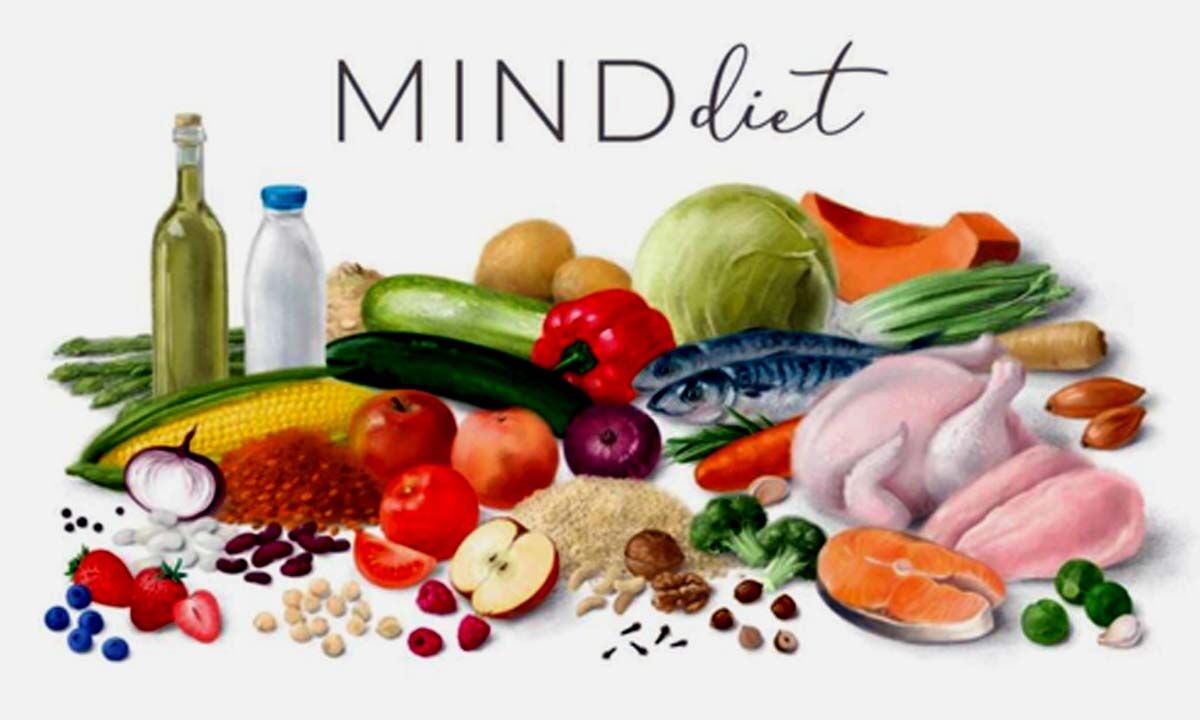
The connection between diet and cognitive function has garnered substantial attention, particularly as research continues to unveil the intricate ways in which nutrition influences brain health. The MIND diet, which combines elements from the Mediterranean and DASH diets, is specifically designed to enhance cognitive function and memory. By prioritizing nutrient-rich foods, the MIND diet serves as a protective mechanism against age-related cognitive decline.Numerous studies have demonstrated the positive correlation between adherence to the MIND diet and improvements in memory.
For instance, a study published in the journal Alzheimer’s & Dementia found that individuals who closely followed the MIND diet had a significantly lower risk of developing Alzheimer’s disease. This research highlights the importance of dietary patterns in shaping cognitive health outcomes, suggesting that specific foods can profoundly impact memory retention and overall brain function.
Mechanisms of Food Impact on Brain Health
Understanding how certain foods enhance brain health reveals the underlying mechanisms that contribute to improved memory. Nutrients found in the MIND diet play essential roles in brain function through various biochemical pathways.The following points illustrate the mechanisms through which specific dietary components have a positive effect on memory:
- Antioxidants: Foods rich in antioxidants, such as berries and leafy greens, combat oxidative stress, a condition that can lead to neuronal damage. Antioxidants help in maintaining neuronal integrity, thereby supporting memory function.
- Omega-3 Fatty Acids: Found in fish like salmon and nuts, omega-3 fatty acids are crucial for brain structure and function. They facilitate synaptic plasticity, which is vital for learning and memory formation.
- Vitamins: Essential vitamins, particularly B vitamins (like B12 and folate) and vitamin E, are known to support cognitive health. They contribute to the production of neurotransmitters and protect against cognitive decline.
- Polyphenols: Present in foods such as dark chocolate and green tea, polyphenols have been shown to enhance cognitive performance and neuroplasticity, aiding in improved memory retention.
- Healthy Fats: The MIND diet emphasizes the consumption of healthy fats from sources like olive oil and avocados. These fats are essential for maintaining cell membrane integrity and promoting efficient communication between neurons.
Incorporating these components into daily meals not only nourishes the brain but also fosters an environment conducive to memory enhancement. The strategic selection of foods within the MIND diet offers a proactive approach to safeguarding cognitive health as one ages.
Foods to Include in the MIND Diet
The MIND diet promotes cognitive health through specific food selections that are believed to enhance memory and overall brain function. By incorporating a variety of nutrient-rich foods, individuals can potentially reduce the risk of Alzheimer’s disease and improve mental acuity. This section highlights key components of the MIND diet, focusing on the types of foods that contribute to improved brain health.Leafy greens and berries are among the most recommended foods for maintaining cognitive function and supporting memory.
Leafy greens, such as spinach, kale, and collard greens, are rich in vitamins and minerals essential for brain health, including vitamin K, lutein, and folate. Berries, particularly blueberries and strawberries, are known for their high antioxidant content, which helps combat oxidative stress and inflammation in the brain.
Brain-Boosting Foods Recommended in the MIND Diet
The following list Artikels the key food categories that should be included in the MIND diet to promote brain health:
- Leafy Greens: Spinach, kale, and collard greens.
- Berries: Blueberries, strawberries, blackberries, and raspberries.
- Nuts: Walnuts, almonds, and hazelnuts.
- Whole Grains: Oats, brown rice, and whole wheat bread.
- Fish: Fatty fish such as salmon, sardines, and trout.
- Beans: Black beans, lentils, and chickpeas.
- Olive Oil: Extra virgin olive oil as a primary fat source.
- Red Wine: In moderation, for its polyphenolic content.
These foods not only contribute essential nutrients but are also instrumental in supporting brain health through various mechanisms.
Health Benefits of Leafy Greens and Berries
Leafy greens are essential in the MIND diet due to their high vitamin K content, which is linked to improved cognitive function. A study published in the journal “Frontiers in Aging Neuroscience” emphasized that individuals consuming higher amounts of leafy green vegetables exhibit slower cognitive decline compared to those with lower intake. The antioxidants present in these greens also play a vital role in protecting brain cells from damage.Berries, particularly blueberries, have been extensively studied for their cognitive benefits.
Rich in flavonoids, they are believed to enhance communication between brain cells, improve memory, and delay age-related cognitive decline. A research article in “Nutritional Neuroscience” highlighted that regular consumption of blueberries might lead to improvements in memory performance among older adults.
Foods High in Antioxidants and Their Effects on Memory
The following table provides an overview of various foods that are high in antioxidants, along with their specific effects on memory and cognitive function.
| Food | Type of Antioxidants | Effects on Memory |
|---|---|---|
| Blueberries | Flavonoids | Enhance neuron communication and improve memory retention. |
| Spinach | Vitamins A, C, and E | Supports cognitive function and reduces oxidative stress. |
| Nuts (Walnuts) | Vitamin E, Omega-3 fatty acids | Linked to improved brain health and cognitive function. |
| Dark Chocolate | Flavonoids | May improve blood flow to the brain and enhance memory. |
| Green Tea | Polyphenols | Promotes focus and memory retention. |
Incorporating these scientifically-backed foods into daily meals can significantly contribute to enhanced memory and overall cognitive health, reflecting the core essence of the MIND diet.
Foods to Avoid on the MIND Diet
The MIND Diet emphasizes the consumption of foods that promote brain health while advising against certain items that may impair cognitive function. Identifying foods to limit or avoid is crucial for optimizing memory and overall brain performance, allowing individuals to make informed dietary choices that align with their cognitive health goals.Processed foods and high-sugar items are major contributors to cognitive decline and should be limited on the MIND Diet.
The comparison between processed foods and whole foods reveals significant differences in nutritional value and their effects on brain health. Whole foods, which are minimally processed and rich in nutrients, provide essential vitamins and minerals that support brain function. In contrast, processed foods often contain unhealthy fats, added sugars, and artificial ingredients, all of which have been shown to negatively impact cognitive abilities.
Processed Foods Versus Whole Foods
The distinction between processed and whole foods is critical to understanding their respective impacts on brain health. Processed foods are typically high in refined sugars, unhealthy fats, and sodium, which can contribute to inflammation and oxidative stress in the body, factors known to impair cognitive function.
- Refined Grains: Foods such as white bread and pastries are often stripped of beneficial nutrients and fiber. They can lead to rapid spikes in blood sugar, adversely affecting brain health.
- Trans Fats: Found in many fried and packaged snack foods, trans fats are linked to increased inflammation and have been associated with a higher risk of cognitive decline.
- High-Sodium Foods: Excessive salt intake from processed foods can lead to hypertension, which negatively impacts cognitive function over time.
- Artificial Additives: Many processed foods contain preservatives and artificial flavors that are linked to negative health outcomes, including potential cognitive impairments.
Negative Impact of High Sugar Consumption
High sugar consumption is particularly detrimental to memory and cognitive performance. Diets high in sugar have been associated with inflammation and insulin resistance, both of which may contribute to impaired memory and learning abilities.
“Excessive sugar intake can lead to increased oxidative stress and inflammation in the brain, contributing to neurodegenerative diseases.”
Numerous studies have highlighted the correlation between high sugar diets and cognitive decline. For instance, a study published in the journalDiabetes Care* found that individuals with high sugar intake had a greater risk of developing dementia. Furthermore, sugary drinks, which are prevalent in many diets, can lead to significant memory impairments and reduced brain function over time.The MIND Diet encourages individuals to focus on whole, nutrient-rich foods while minimizing or avoiding processed and high-sugar items.
By adopting this dietary approach, individuals can enhance their cognitive health and improve memory performance.
Meal Planning with the MIND Diet

The MIND Diet, which combines aspects of the Mediterranean and DASH diets, emphasizes foods that promote brain health. Effective meal planning is essential for adhering to the MIND Diet, as it ensures a consistent intake of beneficial nutrients while making the dietary transition smoother and more enjoyable. This section provides guidance on structuring a weekly meal plan in accordance with MIND Diet principles, offers recipes that align with its guidelines, and highlights efficient shopping strategies for essential ingredients.
Weekly Meal Plan Incorporating MIND Diet Principles
Creating a weekly meal plan is an effective way to incorporate MIND Diet principles into daily life. Below is a sample meal plan that includes variety while focusing on foods known to enhance brain health.
| Day | Breakfast | Lunch | Dinner |
|---|---|---|---|
| Monday | Oatmeal with berries and walnuts | Quinoa salad with mixed greens and chickpeas | Grilled salmon with steamed broccoli and brown rice |
| Tuesday | Greek yogurt with honey and sliced almonds | Turkey and avocado wrap with spinach | Lentil soup with a side of whole-grain bread |
| Wednesday | Smoothie with spinach, banana, and flaxseed | Stuffed bell peppers with quinoa and black beans | Roasted chicken with sweet potatoes and green beans |
| Thursday | Whole-grain toast with avocado and poached eggs | Mixed bean salad with olive oil dressing | Vegetable stir-fry with tofu and brown rice |
| Friday | Chia seed pudding with mixed berries | Spinach and feta cheese omelet | Grilled shrimp tacos with cabbage slaw |
| Saturday | Pancakes made with almond flour and banana | Cauliflower rice bowl with grilled vegetables | Beef stir-fry with broccoli and bell peppers |
| Sunday | Fruit salad with a sprinkle of cinnamon | Chicken Caesar salad with whole-grain croutons | Vegetable curry with chickpeas and brown rice |
Recipes That Align with the MIND Diet
Incorporating recipes that adhere to MIND Diet guidelines can enhance meal enjoyment and nutritional intake. Here are a few simple and nutrient-rich recipes:
Quinoa Salad with Chickpeas and Spinach
Combine cooked quinoa, canned chickpeas (rinsed), fresh spinach, diced tomatoes, and cucumber. Dress with olive oil and lemon juice. This dish is rich in fiber, protein, and antioxidants.
Lentil Soup
Sauté onions, garlic, carrots, and celery in olive oil. Add vegetable broth, lentils, and spices like cumin and thyme. Simmer until lentils are tender. This hearty soup is packed with plant-based protein and fiber.
Berry and Walnut Overnight Oats
Mix rolled oats with almond milk, chia seeds, and a medley of fresh berries. Top with chopped walnuts and let sit overnight for a quick, nutrient-dense breakfast.
Efficient Shopping for MIND Diet Ingredients
Shopping efficiently for ingredients that comply with the MIND Diet can save time and ensure that you have the necessary items on hand. Following are some strategies to streamline your grocery shopping:
Create a Master Grocery List
Include items such as whole grains, a variety of fruits and vegetables, nuts, beans, lean proteins, and healthy fats. Group items by category (e.g., produce, dairy, grains) to make shopping easier.
Plan Visits Around Sales
Check local grocery store flyers for sales on MIND Diet staples. Buying in bulk or choosing items on sale can help reduce costs while ensuring you have a variety of foods available.
Invest in Fresh and Frozen Produce
Fresh fruits and vegetables are essential, but frozen options can be convenient and have similar nutritional benefits. Stock up on both to ensure year-round access to healthy ingredients.
Explore Local Farmers’ Markets
Purchasing produce from farmers’ markets can provide fresher options and support local agriculture. Opt for seasonal fruits and vegetables to enhance flavor and health benefits.
“Meal planning not only simplifies the cooking process but also encourages adherence to the MIND Diet, promoting better brain health and overall well-being.”
Lifestyle Changes to Enhance Memory

Incorporating certain lifestyle changes can significantly bolster the effects of the MIND diet on memory enhancement. Beyond the dietary choices made, factors such as physical activity, sleep quality, and stress management play crucial roles in cognitive function and memory retention. Addressing these elements can create a holistic approach to improving memory and overall brain health.
Importance of Regular Physical Activity
Engaging in regular physical activity is not only beneficial for physical health but is also paramount for cognitive function and memory enhancement. Exercise increases blood flow to the brain, promoting the growth of new neurons and enhancing synaptic plasticity, which is essential for learning and memory. Studies suggest that individuals who participate in regular physical activities demonstrate improved cognitive capabilities compared to sedentary individuals.
Incorporating different types of exercise can be particularly advantageous. Here are effective forms of physical activity:
- Aerobic exercises: Activities such as walking, running, cycling, and swimming improve cardiovascular health and increase oxygen flow to the brain.
- Strength training: Resistance exercises contribute to improved brain health by enhancing mood and cognitive function.
- Mind-body exercises: Practices like yoga and tai chi combine physical movement with mental focus, promoting relaxation and cognitive enhancement.
Role of Sleep in Memory Enhancement
Quality sleep is critical for memory consolidation, where short-term memories are transformed into long-term memories. During sleep, particularly during the REM (Rapid Eye Movement) stage, the brain processes information and strengthens neural connections. Insufficient or poor-quality sleep can impair cognitive functions, leading to difficulties in concentration, learning, and memory retention.To enhance sleep quality, consider the following strategies:
- Establish a consistent sleep schedule: Going to bed and waking up at the same time daily helps regulate the body’s internal clock.
- Create a relaxing bedtime routine: Engaging in calming activities such as reading or taking a warm bath can signal the body that it is time to wind down.
- Limit exposure to screens: Reducing screen time before bed can minimize blue light exposure, which can interfere with the production of melatonin, the hormone responsible for sleep.
Stress Management Techniques
Chronic stress can negatively impact memory and cognitive function. Implementing stress management techniques can complement dietary changes and further enhance memory. Effective stress reduction strategies include mindfulness practices and cognitive-behavioral techniques that promote emotional well-being.Here are several stress management techniques that may be beneficial:
- Meditation: Regular meditation practices can lead to structural changes in the brain, improving areas associated with memory and emotional regulation.
- Deep breathing exercises: Practicing controlled breathing can reduce anxiety and enhance focus, leading to better cognitive performance.
- Physical activity: As previously mentioned, exercise serves as a powerful stress reliever that simultaneously benefits memory.
“Integrating physical activity, quality sleep, and stress management into daily routines can significantly enhance the memory benefits derived from the MIND diet.”
Monitoring Progress and Results
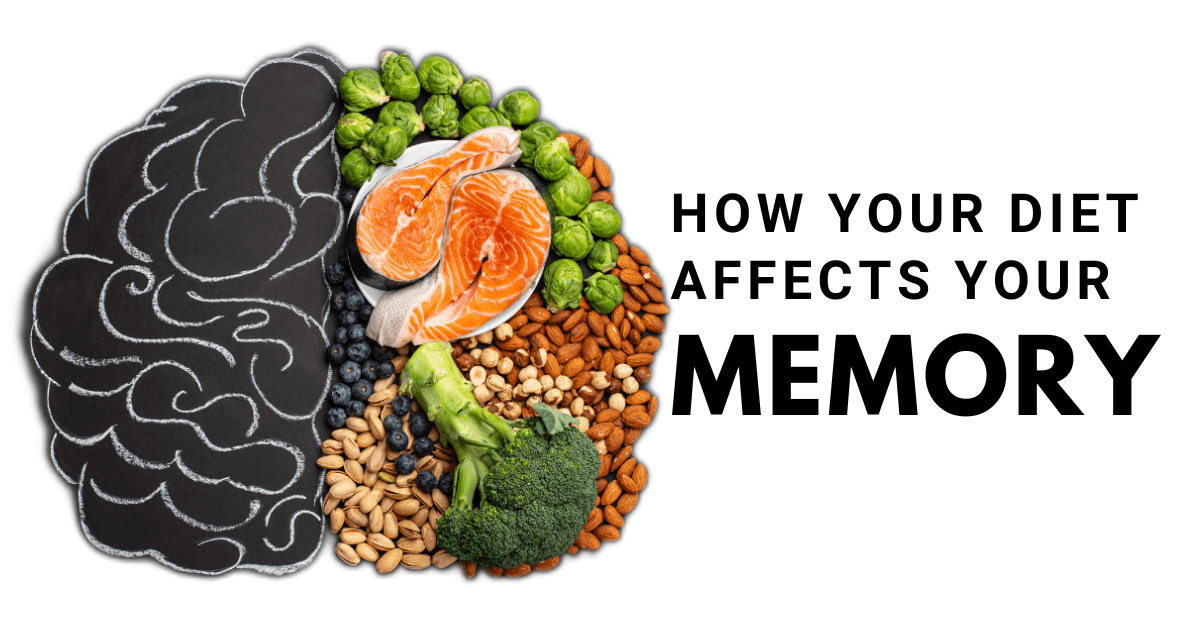
Tracking changes in memory and cognitive function while following the MIND diet is essential for assessing its effectiveness and making necessary adjustments. By maintaining a clear record of your experiences, you can identify patterns and improvements over time, which can provide motivation and insight into your dietary choices.Monitoring cognitive function can be approached through various methods, including standardized tests, self-assessments, and journaling.
Regularly scheduled evaluations can also help to quantify changes in memory and overall mental sharpness.
Methods for Tracking Memory Changes
Implementing a structured approach to monitor memory changes can enhance the effectiveness of the MIND diet. Consider the following techniques:
1. Cognitive Assessments
Engage in periodic cognitive assessments using standardized tests such as the Mini-Mental State Examination (MMSE) or Montreal Cognitive Assessment (MoCA). These tests can provide quantifiable data regarding your cognitive abilities over time.
2. Self-Reporting Journals
Maintain a daily or weekly journal to document experiences related to memory and cognitive function. Include observations on memory lapses, recall ability, and overall mental clarity, alongside dietary habits.
3. Memory Tasks
Regularly engage in memory tasks or brain games, such as puzzles or memory challenges. Note your performance and any improvements or difficulties encountered.
4. Feedback from Others
Seek input from family members or friends who can provide observations regarding changes in your cognitive function. Their feedback may reveal aspects you may overlook yourself.
Checklist for Evaluating Adherence to the MIND Diet
Creating a checklist can facilitate the evaluation of adherence to the MIND diet, ensuring that you consistently consume the recommended foods. The following checklist includes key dietary components to monitor:
[ ] Leafy Greens
Consumed at least 6 servings per week
[ ] Other Vegetables
Consumed at least 1 serving daily
[ ] Berries
Consumed at least 2 servings per week
[ ] Nuts
Consumed at least 5 servings per week
[ ] Whole Grains
Consumed 3 servings daily
[ ] Fish
Consumed at least 1 serving per week
[ ] Poultry
Consumed at least 2 servings per week
[ ] Olive Oil
Used as the primary cooking oil
[ ] Red Wine
Consumed in moderation (1 glass daily, if applicable)This checklist can be printed or saved digitally, allowing for regular updates and reflections on adherence.
Personal Anecdotes Illustrating the MIND Diet’s Effectiveness
Several individuals have reported significant improvements in cognitive function after adopting the MIND diet. For instance, a 68-year-old woman, who began following the MIND diet after experiencing mild cognitive impairment, noted enhancements in her memory recall and daily functioning within just six months. She diligently tracked her meals and incorporated brain exercises, leading to noticeable improvements in her cognitive assessments and daily life activities.Similarly, a middle-aged man who struggled with memory issues attributed his progress to a consistent adherence to the MIND diet, alongside regular social engagement and physical exercise.
After a year, he recounted that his family and colleagues observed marked improvements in his ability to recall information and articulate thoughts during conversations. His experience illustrates the potential of the MIND diet, particularly when combined with other lifestyle changes, to promote cognitive health.
Last Point
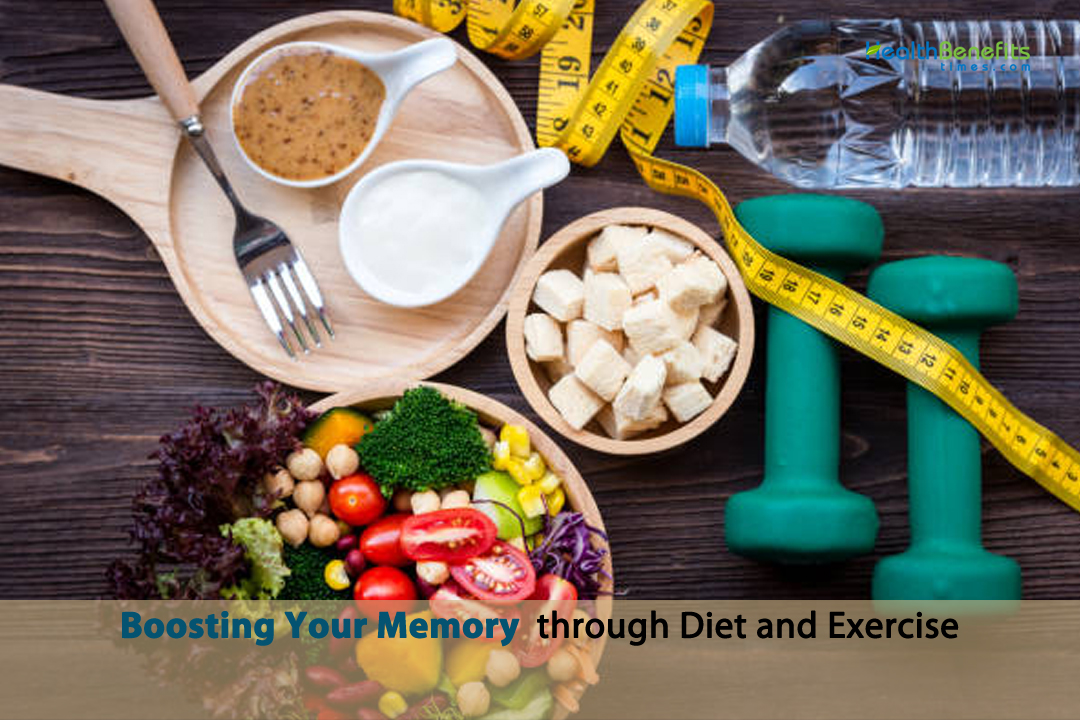
In conclusion, adopting the MIND diet can be a transformative step towards enhancing memory and cognitive function. By integrating brain-boosting foods and making informed lifestyle choices, individuals can cultivate better mental clarity and resilience. Embracing this dietary approach may not only improve memory but also lead to a healthier, more fulfilling life.