As How to Keep Your Brain Young as You Age takes center stage, this opening passage beckons readers into a world enriched with valuable insights and practical advice. As the population ages, the importance of maintaining cognitive health becomes increasingly evident, not merely as a matter of longevity but as a key to enriching the quality of life. Engaging in activities that nourish the brain, both physically and mentally, can lead to sustained cognitive function and improved overall well-being.
This discussion will explore the multifaceted approaches to brain health, from nutrition and mental exercises to physical activity and social engagement, illustrating how a proactive lifestyle can significantly impact cognitive longevity. By embracing these practices, individuals can foster a vibrant mind well into their later years.
Importance of Brain Health in Aging
Maintaining brain health is crucial as individuals age, as it directly influences their overall quality of life. Cognitive function, which encompasses memory, problem-solving, and decision-making skills, often declines with age. The ability to think critically and engage socially is essential for maintaining independence and satisfaction in later years.Aging affects brain health through various biochemical and physiological changes. As people age, their brains undergo structural changes, including a reduction in the volume of certain areas, a decrease in the production of neurotransmitters, and the accumulation of neurotoxic plaques and tangles.
These changes can lead to diminished cognitive abilities, making it challenging to perform daily tasks and impacting social interactions. Moreover, research indicates that cognitive decline can lead to increased risks of neurodegenerative diseases, such as Alzheimer’s and other forms of dementia, which further complicate the aging process.
Consequences of Neglecting Brain Health
Neglecting brain health in the aging process can lead to several adverse outcomes, which can significantly affect an individual’s life. The following points highlight the implications of ignoring brain wellness:
- Increased Risk of Cognitive Decline: Failing to engage in mentally stimulating activities can accelerate cognitive deterioration, potentially leading to conditions like Alzheimer’s disease.
- Reduced Quality of Life: Cognitive impairment can diminish one’s ability to communicate effectively and maintain relationships, ultimately impacting emotional well-being.
- Loss of Independence: A decline in cognitive function can hinder daily activities, making it necessary for individuals to rely on caregivers or assisted living facilities.
- Social Isolation: Cognitive challenges may result in withdrawal from social interactions, leading to loneliness and mental health issues.
- Decreased Physical Health: There is a well-established connection between mental and physical health; cognitive decline can lead to a sedentary lifestyle, which further exacerbates health issues.
“The brain is like a muscle; the more you use it, the stronger it becomes.”
Nutrition and Diet for a Healthy Brain
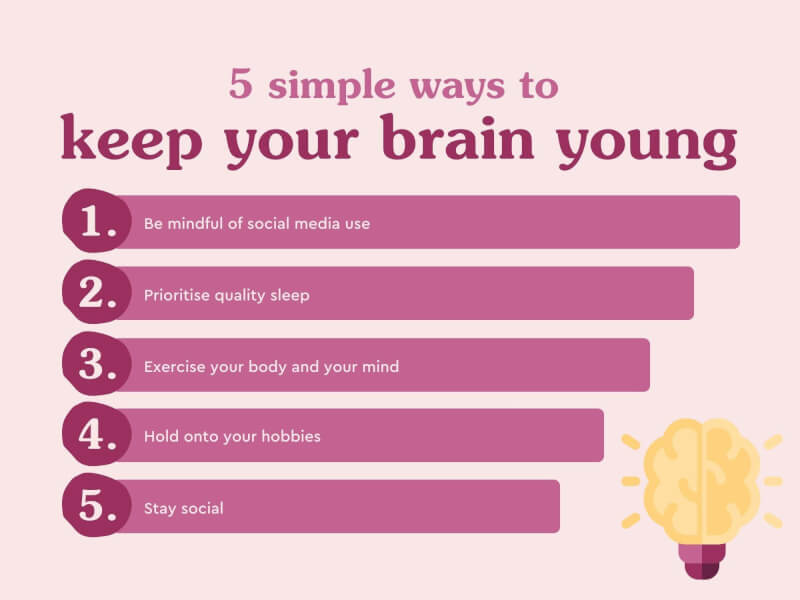
As we age, the importance of maintaining a healthy diet becomes paramount in preserving cognitive function and overall brain health. Nutrients derived from our food play a crucial role in supporting brain activities, thereby reducing the risk of neurodegenerative diseases and cognitive decline. Incorporating brain-boosting foods into our daily meals can significantly enhance our mental agility and emotional well-being.The role of antioxidants and omega-3 fatty acids is particularly vital in promoting brain health.
Antioxidants help combat oxidative stress, which can damage brain cells, while omega-3 fatty acids are essential for brain structure and function. These nutrients contribute to improved memory, focus, and mood regulation, thus supporting our cognitive abilities as we age.
Brain-Boosting Foods and Their Benefits
To support brain health, it is important to include a variety of nutrient-rich foods in your diet. Below is a list of brain-boosting foods and their corresponding benefits:
- Fatty Fish: Rich in omega-3 fatty acids, which are critical for brain health, promoting improved memory and mood. Examples include salmon, mackerel, and sardines.
- Berries: High in antioxidants, particularly flavonoids, which may enhance communication between brain cells and improve memory.
- Nuts: Particularly walnuts, which are excellent sources of omega-3 and beneficial antioxidants, known to support cognitive function.
- Dark Chocolate: Contains flavonoids, caffeine, and antioxidants that may enhance mood and improve blood flow to the brain.
- Leafy Greens: Vegetables such as kale, spinach, and broccoli are rich in vitamins and antioxidants that support brain health and cognitive function.
- Whole Grains: Sources of fiber and nutrients, such as oatmeal and brown rice, that help maintain steady blood sugar levels, which are crucial for brain function.
- Avocados: Contain healthy fats that support healthy blood flow, which is essential for optimal brain function.
Consuming these foods regularly can contribute significantly to enhancing memory retention, reducing the risk of cognitive decline, and promoting overall brain health.
Role of Antioxidants and Omega-3 Fatty Acids
Antioxidants play a crucial role in brain health by protecting the brain from oxidative stress and inflammation, which can contribute to neurodegenerative diseases. Foods abundant in antioxidants, such as berries and dark chocolate, can help reduce the risk of cognitive decline by maintaining healthy brain function.Omega-3 fatty acids are essential fats that are not naturally produced by the body. They are vital for building brain cell membranes and are involved in the production of neurotransmitters.
Research shows that individuals with higher omega-3 levels tend to have better cognitive performance and a lower risk of Alzheimer’s disease. Regular consumption of omega-3-rich foods, such as fatty fish, walnuts, and flaxseeds, is essential for maintaining optimal brain health.
Sample Meal Plan Incorporating Brain-Healthy Foods
Below is a sample meal plan that integrates various brain-healthy foods, ensuring a well-rounded intake of essential nutrients:
| Meal | Menu |
|---|---|
| Breakfast | Oatmeal topped with fresh blueberries and walnuts, served with a side of green tea. |
| Lunch | Quinoa salad with spinach, cherry tomatoes, avocado, and grilled salmon, drizzled with olive oil. |
| Snack | Dark chocolate (at least 70% cocoa) and a handful of mixed nuts. |
| Dinner | Baked mackerel with a side of roasted broccoli and sweet potatoes. |
| Dessert | A small bowl of mixed berries. |
This meal plan provides a balanced intake of essential nutrients that support brain health while being delicious and satisfying. By focusing on these nutrient-dense foods, individuals can help maintain their cognitive vitality as they age.
Mental Exercises and Cognitive Activities
Engaging in mental exercises and cognitive activities is essential for maintaining brain health as we age. These activities stimulate various brain regions, enhance cognitive function, and can even delay the onset of cognitive decline. By incorporating a variety of exercises and challenges into our daily routines, we can cultivate a healthier and more vibrant mind.One effective way to enhance cognitive function is through the use of puzzles and games.
These activities challenge the brain to think critically, solve problems, and adapt to new scenarios. Regular engagement in such pastimes not only provides enjoyment but also fosters mental agility and resilience.
Examples of Activities that Enhance Cognitive Function
Participating in a range of activities can significantly boost brainpower. The following examples illustrate effective mental exercises:
- Crossword Puzzles: These word games enhance vocabulary and problem-solving skills. They require players to think laterally and recall information, thereby improving memory.
- Sudoku: This number-based puzzle promotes logical thinking and pattern recognition, which are crucial for cognitive development.
- Chess: Playing chess involves strategic planning and foresight, stimulating complex thought processes.
- Memory Games: Games that involve matching pairs or recalling sequences enhance short-term memory and cognitive processing speed.
- Board Games: Engaging in games that require strategy, such as Settlers of Catan or Risk, encourages critical thinking and social interaction.
The benefits of lifelong learning and pursuing new skills cannot be overstated. Engaging in new activities promotes neuroplasticity, the brain’s ability to reorganize itself by forming new neural connections throughout life. This adaptability is particularly important as we age.
Benefits of Lifelong Learning and Pursuing New Skills
Lifelong learning not only enriches our knowledge but also contributes to cognitive flexibility and emotional well-being. Some of the notable benefits include:
- Enhanced Memory: Learning new information can help improve memory retention and recall.
- Increased Confidence: Mastering new skills fosters a sense of achievement and self-worth.
- Improved Mental Agility: Learning diverse subjects keeps the brain active and agile, enabling quicker responses in daily life.
- Social Engagement: Participating in classes or group activities can facilitate social connections, which are vital for emotional health.
To fully reap the benefits of cognitive activities, organizing a weekly schedule dedicated to brain-training can be highly effective. A structured approach ensures consistency and allows individuals to explore various activities.
Weekly Schedule for Engaging in Brain-Training Activities
Creating a balanced schedule that incorporates different types of mental exercises can maximize cognitive benefits. Below is a suggested weekly plan:
| Day | Activity | Duration |
|---|---|---|
| Monday | Crossword Puzzle | 30 minutes |
| Tuesday | Sudoku | 30 minutes |
| Wednesday | Chess with a partner | 1 hour |
| Thursday | Online Course (new language) | 1 hour |
| Friday | Memory Game | 30 minutes |
| Saturday | Board Game Night | 2 hours |
| Sunday | Review and Reflect on the Week’s Learning | 1 hour |
By adhering to a structured schedule and engaging in a variety of cognitive activities, individuals can significantly enhance their brain’s health and functionality throughout the aging process.
Physical Exercise and Its Effects on the Brain
Regular physical activity is a cornerstone of maintaining cognitive health as one ages. Engaging in exercise not only supports physical wellbeing but also fosters mental acuity, emotional stability, and overall brain function. Numerous studies have shown that individuals who partake in regular physical activity experience enhanced memory, improved focus, and a lower risk of cognitive decline. Physical activity contributes to cognitive health through various mechanisms.
It increases blood flow to the brain, which helps nourish brain cells and promote the growth of new neurons. Moreover, exercise stimulates the release of neurotrophic factors, which are proteins that support neuron survival and function. The relationship between physical fitness and mental sharpness is well-documented, making exercise an essential component of brain health.
Types of Exercises Beneficial for Brain Health
Different types of exercises offer unique benefits to brain health. Incorporating a variety of physical activities into your routine can yield optimal results. The following exercise categories are particularly advantageous:
- Aerobic Exercises: Activities such as walking, running, swimming, and cycling increase heart rate, improve cardiovascular health, and facilitate better oxygen delivery to the brain.
- Strength Training: Lifting weights or performing bodyweight exercises help maintain muscle mass and promote the release of growth factors, which are beneficial for brain function.
- Balance and Flexibility Exercises: Yoga and tai chi improve coordination and stability, which are critical for preventing falls, a significant risk factor for cognitive decline in older adults.
- Mind-Body Exercises: Practices that combine physical movement with mental focus, such as martial arts and dance, can enhance cognitive function and memory.
Incorporating these exercise types into a regular routine can significantly enhance brain health.
Workout Plan Integrating Aerobic and Strength Training Exercises
A balanced workout plan should include both aerobic and strength training exercises, structured to optimize benefits for brain health. Here is a sample weekly plan:
| Day | Activity | Duration |
|---|---|---|
| Monday | Aerobic (Walking or Jogging) | 30 minutes |
| Tuesday | Strength Training (Bodyweight Exercises) | 30 minutes |
| Wednesday | Rest or Light Stretching | Optional |
| Thursday | Aerobic (Swimming) | 30 minutes |
| Friday | Strength Training (Resistance Bands) | 30 minutes |
| Saturday | Balance and Flexibility (Yoga) | 30 minutes |
| Sunday | Mind-Body Exercise (Tai Chi) | 30 minutes |
This plan emphasizes a mix of cardiovascular fitness and muscle strength, both of which are instrumental in supporting cognitive functions as one ages. Regular adherence to such a regimen not only enhances physical health but also fortifies mental resilience, creating a solid foundation for a vibrant and active lifestyle.
Social Engagement and Its Role in Brain Longevity
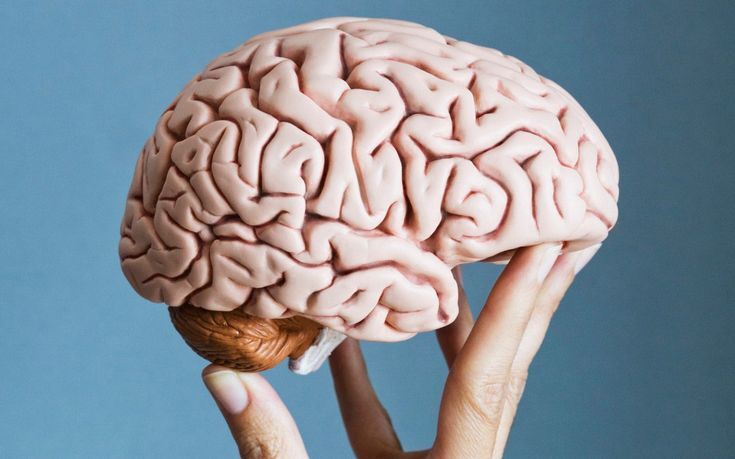
Social engagement is a crucial component of maintaining cognitive function as one ages. It contributes significantly to emotional well-being and brain health, helping to prevent cognitive decline. Establishing and nurturing social connections can provide individuals with a sense of purpose and belonging, which are vital for mental health.Participating in social activities and community engagements has been shown to enhance cognitive abilities and promote longevity in brain health.
The interactions that come from socializing can stimulate the brain, keeping it active and engaged. Engaging with others not only fosters relationships but also encourages the exchange of ideas and knowledge, which is beneficial for cognitive resilience.
Methods to Foster Social Connections
Building and maintaining social connections can be achieved through various methods that integrate seamlessly into daily life. Here are effective strategies for fostering relationships:
- Join clubs or groups that align with personal interests, such as book clubs, gardening societies, or art classes. These environments encourage regular interaction with like-minded individuals.
- Attend local events, such as community fairs, workshops, or lectures. Such gatherings provide opportunities for meeting new people and engaging in stimulating conversations.
- Utilize technology to stay connected with family and friends, especially if physical distance is a barrier. Video calls, social media platforms, and messaging apps can help maintain relationships.
- Participate in group fitness classes or walking groups, which combine social interaction with physical activity, thus promoting both physical and cognitive health.
Cognitive Benefits of Participating in Community Activities
Engaging in community activities offers numerous cognitive benefits that enhance brain function. Participation in these activities can lead to improved mental agility and emotional resilience. Involvement in community activities can be characterized by:
- Enhanced problem-solving skills gained through teamwork and collaborative projects.
- Increased creativity stimulated by exposure to diverse perspectives and ideas.
- Strengthened memory through shared experiences and the social context of activities.
- Improved emotional health from the support and friendships formed within community settings.
Opportunities for Volunteering and Connecting with Others
Volunteering not only helps the community but also provides an avenue for social interaction and cognitive engagement. There are numerous opportunities available that can fit various interests and skill levels.Examples of volunteering options include:
- Local hospitals or health organizations often seek volunteers for various roles, providing a chance to connect with both patients and healthcare professionals.
- Animal shelters require volunteers to care for animals, which can be a fulfilling way to bond with others who share a love for animals.
- Community centers frequently need help with organizing events, leading workshops, or even tutoring children, allowing for intergenerational interactions.
- Environmental organizations offer opportunities for group activities such as park clean-ups or conservation projects, promoting teamwork and community spirit.
Mindfulness and Stress Management Techniques
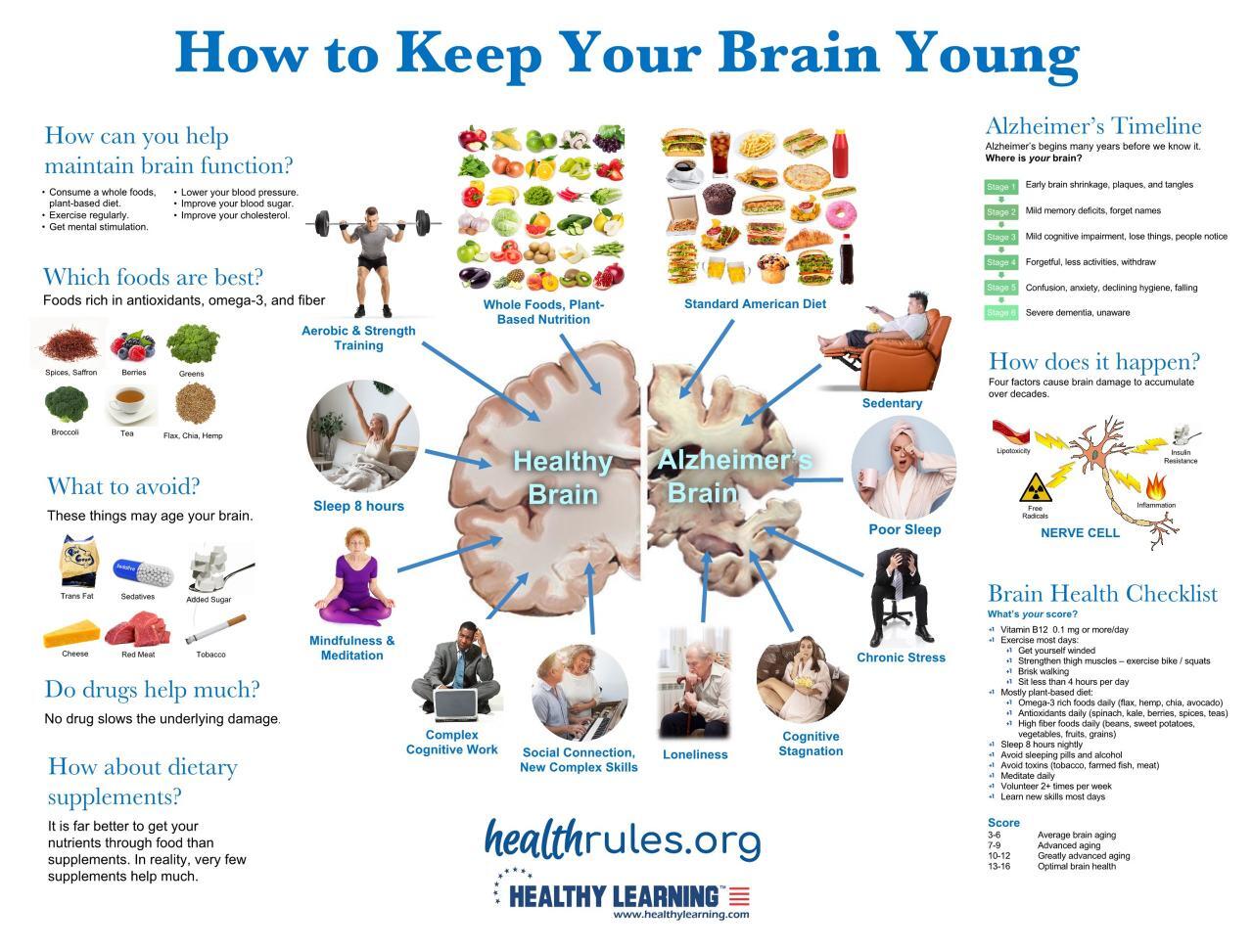
The importance of mindfulness and stress management in maintaining brain health cannot be overstated, particularly as we age. Chronic stress has been linked to various cognitive issues, including memory loss and an increased risk of neurodegenerative diseases. Adopting mindfulness practices can significantly reduce stress levels and enhance cognitive clarity, which ultimately contributes to a healthier brain.Chronic stress accelerates brain aging and cognitive decline by affecting neuroplasticity and promoting inflammation.
Elevated cortisol levels, associated with stress, can hinder memory formation and retrieval, leading to difficulties in concentrating and retaining information. Consequently, managing stress through mindfulness techniques is essential in preserving cognitive function and overall brain health.
Examples of Mindfulness Practices
Incorporating mindfulness practices into daily life can promote mental clarity and well-being. Below are several effective techniques:
- Meditation: This practice involves focusing the mind and eliminating distractions. Techniques such as breath awareness or body scans can help reduce stress and enhance cognitive functions.
- Mindful Breathing: Focusing solely on the breath for a few minutes can induce relaxation and clarity. This can be done anywhere and at any time, making it a versatile tool for stress management.
- Yoga: Combining physical movement with mindfulness, yoga promotes relaxation and mental focus. The practice has been shown to reduce anxiety and improve cognitive performance.
- Gratitude Journaling: Writing down things one is grateful for can shift focus from stressors to positive aspects of life, promoting a sense of well-being and reducing stress levels.
Incorporating these mindfulness practices into a daily routine can foster a calm mind and enhance brain health significantly.
Daily Routine for Stress Reduction
Establishing a structured daily routine that includes stress-reducing techniques can greatly improve mental clarity and well-being. Below is a suggested framework:
1. Morning Mindfulness (10 minutes)
Start the day with meditation or mindful breathing to set a positive tone.
2. Physical Activity (30 minutes)
Engage in light exercise, such as walking or yoga, to boost endorphins and reduce stress levels.
3. Healthy Breakfast
Consume a nutritious meal rich in omega-3 fatty acids and antioxidants, such as oatmeal topped with berries and nuts.
4. Cognitive Breaks (1-2 minutes every hour)
Take brief pauses to stretch or practice mindful breathing while working to maintain focus and reduce stress.
5. Afternoon Walk (15 minutes)
A short walk outdoors can provide fresh air and help clear the mind, enhancing cognitive function.
6. Evening Reflection (10 minutes)
Before bed, engage in gratitude journaling or reflective meditation to unwind and promote positive thoughts.By following a routine that integrates these techniques, individuals can effectively manage stress and support brain health throughout the aging process.
Sleep and Brain Function
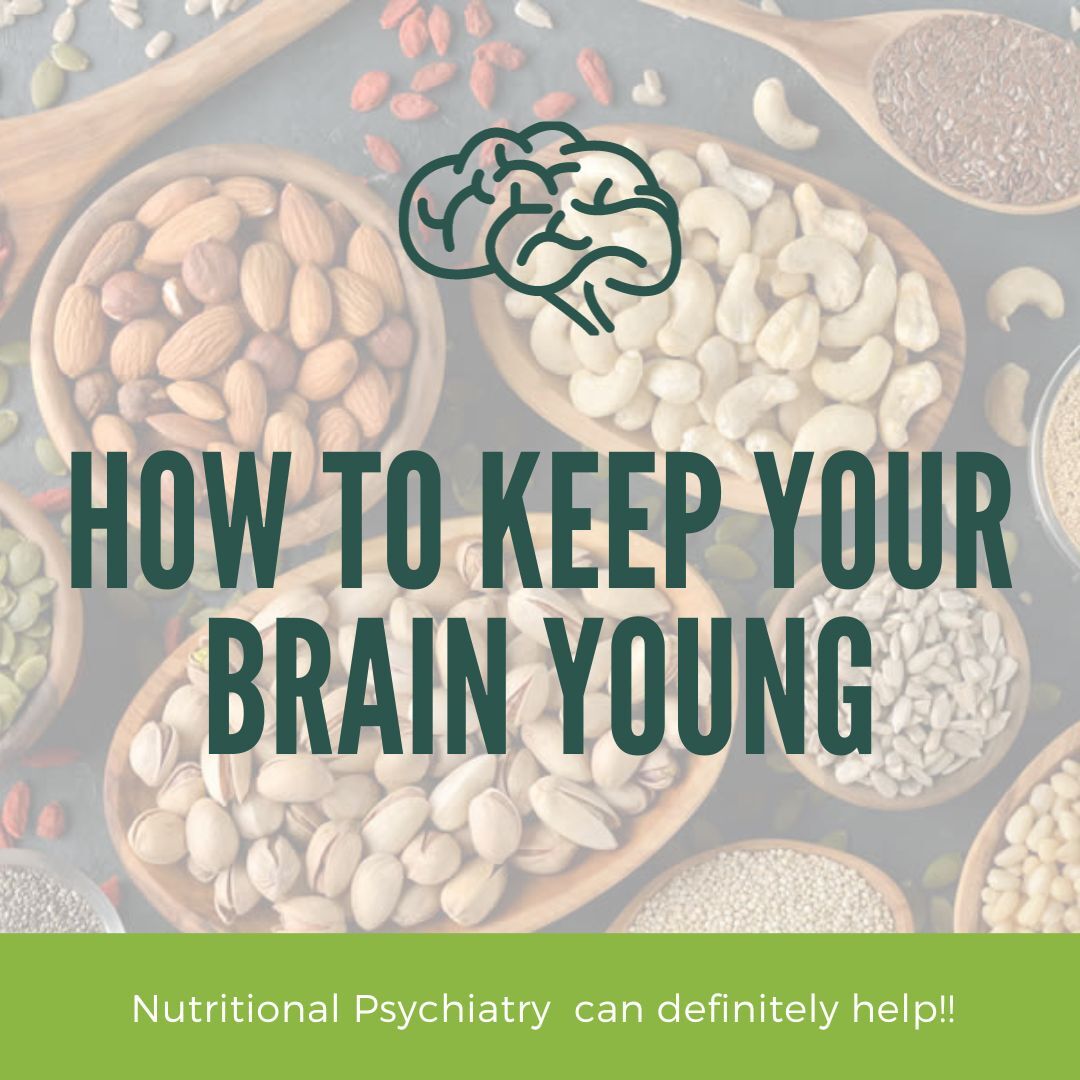
Sleep plays a critical role in maintaining cognitive health, particularly as we age. Quality sleep is essential for various brain functions, including memory consolidation, emotional regulation, and the removal of neurotoxic waste. Poor sleep quality can lead to cognitive decline, increased risk of dementia, and other neurological disorders. Understanding and improving sleep hygiene can significantly enhance brain health and overall well-being.The connection between sleep quality and cognitive health is well-established in scientific literature.
Good sleep hygiene not only helps in enhancing memory and learning but also contributes to emotional stability. When individuals experience sufficient and restful sleep, their brains are better equipped to function optimally, supporting both mental performance and emotional resilience. In contrast, chronic sleep deprivation can impair attention, problem-solving skills, and decision-making processes.
Strategies for Improving Sleep Hygiene and Duration
Implementing effective sleep hygiene practices is vital for ensuring restful and rejuvenating sleep. Here are several strategies that can aid in improving both the quality and duration of sleep:
- Maintain a consistent sleep schedule by going to bed and waking up at the same time every day, even on weekends, to regulate the body’s internal clock.
- Create a comfortable sleep environment by keeping the bedroom dark, cool, and quiet. Consider using blackout curtains, earplugs, or white noise machines to minimize disruptions.
- Avoid screens before bedtime, as the blue light emitted by phones, tablets, and computers can interfere with the production of melatonin, the sleep hormone.
- Limit caffeine and nicotine intake in the hours leading up to bedtime, as these substances can disrupt sleep patterns and delay the onset of sleep.
- Incorporate relaxation techniques such as deep breathing, meditation, or gentle yoga into the bedtime routine, helping to reduce stress and promote relaxation.
Bedtime Routine for Enhancing Sleep Quality
Establishing a bedtime routine can be an effective way to signal to the body that it is time to wind down. A well-structured routine can help enhance sleep quality for better brain health. Here’s a sample routine that may help:
- Start winding down at least one hour before bed. Engage in calming activities that don’t involve screens, such as reading a book or taking a warm bath.
- Dim the lights in the home and avoid stimulating activities. This helps the body to produce melatonin naturally.
- Practice mindfulness or relaxation exercises. Spend 10-15 minutes focusing on your breath, or consider guided meditation to ease the mind.
- Prepare a comfortable sleep environment. Ensure the bedding is clean and inviting, and adjust the room temperature to a comfortable level.
- Transition to bed and engage in a brief gratitude or reflection exercise, thinking of positive aspects of the day, which can promote a peaceful mindset before sleep.
“Quality sleep is not a luxury; it is a necessity for optimal brain health and cognitive function.”
By implementing these strategies and routines, individuals can significantly enhance their sleep quality, which in turn supports their overall cognitive health as they age.
The Role of Supplements in Supporting Brain Health

As individuals age, maintaining cognitive function becomes increasingly crucial, leading to the exploration of various supplements that claim to enhance brain health. While some supplements have been shown to offer potential benefits, it is essential to approach their use with caution and informed decision-making. This section addresses popular brain health supplements, underscores the significance of consulting healthcare professionals, and provides insights into selecting high-quality options.
Popular Supplements for Enhancing Cognitive Function
Numerous supplements are marketed to support cognitive health and improve memory, focus, and overall brain function. Understanding these options can help individuals make informed choices regarding their brain health regimen. Here are some widely recognized supplements and their purported benefits:
- Omega-3 Fatty Acids: Known for their anti-inflammatory properties, omega-3s, particularly DHA and EPA, are essential for brain structure and function. They are believed to support memory and mood regulation.
- Ginkgo Biloba: This herbal supplement is often used to improve cognitive function and enhance memory by increasing blood flow to the brain.
- Bacopa Monnieri: Traditionally used in Ayurvedic medicine, Bacopa is thought to enhance memory, learning, and overall cognitive performance over time.
- Phosphatidylserine: A phospholipid found in cell membranes, phosphatidylserine is believed to support cognitive function and improve memory by promoting healthy brain cell communication.
- Curcumin: The active compound in turmeric, curcumin has anti-inflammatory and antioxidant properties that may protect against cognitive decline.
Importance of Consulting a Healthcare Professional
Before starting any supplement regimen, consulting a healthcare professional is vital. This ensures that individuals receive personalized advice based on their specific health needs and conditions. Many supplements can interact with medications or exacerbate existing health issues, making professional guidance essential. Furthermore, a healthcare provider can help determine the appropriate dosages and assess the potential benefits versus risks of supplementation.
Choosing High-Quality Brain Health Supplements
Selecting high-quality supplements is crucial for effectiveness and safety. Not all supplements are created equal; thus, several factors should be considered when making a purchase. Here are essential criteria to ensure the integrity of brain health supplements:
- Third-Party Testing: Look for supplements that have been tested by independent organizations to verify purity and potency.
- Ingredient Transparency: Choose products that clearly list their ingredients and avoid proprietary blends that do not disclose the exact amounts of each ingredient.
- Reputable Brands: Stick to well-known brands that have a history of producing high-quality dietary supplements and have positive consumer feedback.
- Scientific Backing: Research the ingredients to ensure they are supported by scientific studies demonstrating their efficacy for cognitive health.
- Manufacturing Standards: Ensure the supplements are manufactured in facilities that adhere to Good Manufacturing Practices (GMP) to guarantee quality and safety.
Outcome Summary
In conclusion, the journey of How to Keep Your Brain Young as You Age is not solely about preventing decline but about actively enhancing the quality of life through deliberate choices. Each aspect discussed, from diet to social interactions, contributes to a holistic approach to brain health, highlighting the interconnected nature of physical, mental, and emotional well-being. By integrating these practices into daily life, one can cultivate a youthful and resilient mind, ready to embrace the opportunities that come with aging.