How to Manage a To-Do List Entirely in Your Head invites readers into the fascinating realm of mental task management, where the power of the mind serves as the primary tool for organization. Managing your tasks mentally can enhance productivity and streamline decision-making, allowing for greater flexibility in daily life. The concept of a mental to-do list not only simplifies task organization but also improves cognitive functioning, spotlighting the need for effective strategies to navigate challenges that may arise.
This comprehensive guide delves into understanding the intricacies of mental to-do lists, exploring various techniques for prioritization, organization, and focus. By mastering these skills, individuals can efficiently manage their responsibilities without reliance on external reminders, ultimately fostering a sense of accomplishment and clarity in their personal and professional lives.
Understanding Mental To-Do Lists

Mental to-do lists are a cognitive method of managing tasks without external aids such as paper or digital applications. This approach allows individuals to keep track of their responsibilities solely in their minds, promoting a sense of control and immediacy. The advantages of mental to-do lists include enhanced focus, the ability to prioritize tasks spontaneously, and reduced reliance on external tools, which can sometimes create clutter.
However, maintaining a mental to-do list also requires a strong understanding of cognitive processes, as it can quickly become overwhelming without effective strategies.The management of tasks through mental to-do lists involves several cognitive processes. First, working memory plays a crucial role in temporarily holding information about tasks and their associated deadlines. This allows individuals to recall important tasks as they progress through their day.
Additionally, attention management is vital, as it helps focus on the most pressing tasks while minimizing distractions. The ability to prioritize tasks effectively is also important, ensuring that individuals address high-impact responsibilities promptly. However, these cognitive processes can be challenged by factors such as stress, fatigue, and multitasking, which can diminish the clarity and effectiveness of mental lists.
Cognitive Challenges in Managing Mental To-Do Lists
While mental to-do lists have their advantages, they also pose several challenges that may hinder effective task management. Recognizing and addressing these challenges is essential for maintaining an organized mental space. Below are some common obstacles individuals may encounter:
- Overload of Information: When too many tasks accumulate in the mind, it becomes difficult to prioritize effectively, leading to potential oversight of important responsibilities.
- Memory Limitations: Working memory has its limits; tasks may be forgotten or overlooked if not managed properly, especially in high-stress situations.
- Emotional Factors: Stress and anxiety can impact cognitive performance, making it challenging to focus on or remember tasks, thereby increasing the likelihood of forgetting them.
- Lack of Structure: Unlike written lists, mental lists lack visual cues and organization, which can lead to confusion and disorder in task management.
- Distractions: External distractions can easily divert attention away from tasks, complicating the management of a mental to-do list.
“The efficiency of a mental to-do list hinges on one’s ability to maintain focus and manage cognitive load effectively.”
To mitigate these challenges, individuals can employ techniques such as chunking information, setting reminders, and periodically reviewing their mental lists to reinforce memory and clarity. Additionally, practicing mindfulness can help improve focus, allowing for better task retention and prioritization in daily activities.
Techniques for Effective Mental Task Management

Effective mental task management is an essential skill that allows individuals to navigate their daily responsibilities without becoming overwhelmed. By employing certain techniques, one can maintain a clear mental to-do list, prioritize tasks effectively, and enhance memory recall—all without the assistance of external tools. This approach not only fosters better productivity but also cultivates a sense of control over one’s tasks and obligations.
Prioritization Methods for Mental Task Management
Prioritizing tasks mentally is crucial for ensuring that the most important responsibilities are addressed first. Several methods can facilitate this process, which relies solely on one’s cognitive capabilities.
- The Eisenhower Matrix: This technique involves categorizing tasks based on their urgency and importance. By visualizing tasks in four quadrants—urgent and important, important but not urgent, urgent but not important, and neither—individuals can make informed decisions about which tasks to tackle first.
- ABC Prioritization: Assigning a letter to each task based on its priority can simplify decision-making. Tasks labeled as ‘A’ are high-priority, ‘B’ tasks are medium priority, and ‘C’ tasks are low priority, allowing one to focus on ‘A’ tasks before moving on to others.
- 1-3-5 Rule: This method encourages setting a daily goal of completing one high-priority task, three medium-priority tasks, and five low-priority tasks. This clear structure helps maintain focus while ensuring a balance in task completion.
Visualization Techniques for Memory Recall
Visualization is a powerful tool that can enhance the ability to recall tasks stored within the mind. Effective visualization techniques can create mental images that make it easier to retrieve information when needed.
- Mind Mapping: Creating a mental map of tasks can help organize thoughts and illustrate connections between different responsibilities. By visualizing how each task relates to others, one can better understand the overall workload.
- Location-Based Visualization: Associating tasks with specific locations can aid memory recall. For instance, picturing a task in the living room may trigger the memory of that task when one enters the room.
- Chunking Information: Breaking down larger tasks into smaller, manageable parts can simplify mental organization. By grouping similar tasks together, one can enhance focus and retention.
Mnemonic Devices for Remembering Tasks
Mnemonic devices serve as effective aids for remembering tasks by creating associations or patterns that enhance recall. These techniques can significantly ease the cognitive load of maintaining a mental to-do list.
- Acrostics: By creating a phrase where the first letter of each word corresponds to a task, individuals can facilitate memory. For example, “Fruits And Vegetables” can remind one to buy apples, bananas, and carrots.
- Rhymes and Alliteration: Utilizing rhymes or consistently using the same starting sound can make tasks easier to remember. For instance, “Buy Bread, Bring Butter” can be a helpful reminder for grocery shopping.
- Visualization with Mnemonics: Combining visualization with mnemonic phrases can further enhance recall. Picture a colorful fruit basket to remember the tasks associated with purchasing fruits, reinforcing the imagery in the mind.
“Effective mental task management not only increases productivity but also fosters a sense of control and clarity.”
Strategies to Organize Tasks Mentally
Organizing tasks mentally requires a structured approach to ensure that nothing is overlooked and every task is managed effectively. By implementing specific strategies, individuals can optimize their cognitive resources to handle tasks with greater efficiency and clarity.
Structured Approaches for Categorizing Tasks
A well-defined categorization system can streamline mental task management and enhance memory recall. Tasks can be grouped based on various criteria, such as urgency, project type, or even context. This technique aids in prioritizing tasks that require immediate attention versus those that can be addressed later.
- Urgency: Differentiate tasks by their deadlines, sorting them into categories such as ‘Immediate’, ‘Short-Term’, and ‘Long-Term’. This allows for quick access to tasks that require prompt action.
- Project Type: Organize tasks according to the specific projects they belong to, aiding in better focus on related activities without mental clutter from unrelated tasks.
- Contextual Grouping: Categorize tasks based on the environment or resources needed, such as ‘At Home’, ‘At Work’, or ‘On the Go’. This makes it easier to tackle tasks when in the appropriate context.
Breaking Down Larger Tasks into Manageable Segments
Large tasks can often seem daunting, leading to procrastination or overwhelm. By breaking these tasks into smaller, more manageable segments, individuals can maintain momentum and reduce mental fatigue.
- Identify Sub-Tasks: Dissect larger tasks into smaller components that can be tackled one at a time. For instance, if the task is to ‘Plan a Conference’, sub-tasks could include ‘Book Venue’, ‘Send Invitations’, and ‘Arrange Catering’.
- Set Milestones: Establish specific milestones within a larger task, which can serve as motivational checkpoints. Completing each milestone provides a sense of achievement and encourages further progress.
- Allocate Time Estimates: Assign approximate time frames for each sub-task. This can aid in mentally tracking progress and adjusting priorities as needed.
Importance of Deadlines and Mental Tracking
Deadlines are crucial for effective mental task management, providing a sense of urgency and focus that can drive productivity. Mentally tracking these deadlines helps maintain accountability and encourages timely completion of tasks.
- Visualizing Deadlines: Picture deadlines within a mental calendar. For example, if a report is due next Friday, visualize the week ahead and allocate time slots for working on it.
- Setting Reminders: Create mental reminders or cues tied to specific tasks. Associating tasks with routine activities can aid in recall, such as thinking about a project when making morning coffee.
- Reviewing Progress: Regularly assess the status of tasks against their deadlines. This can be done mentally by dedicating a few minutes each day to reflect on what has been accomplished and what remains to be done.
“Effective mental task management transforms overwhelming responsibilities into manageable actions.”
Enhancing Focus and Concentration
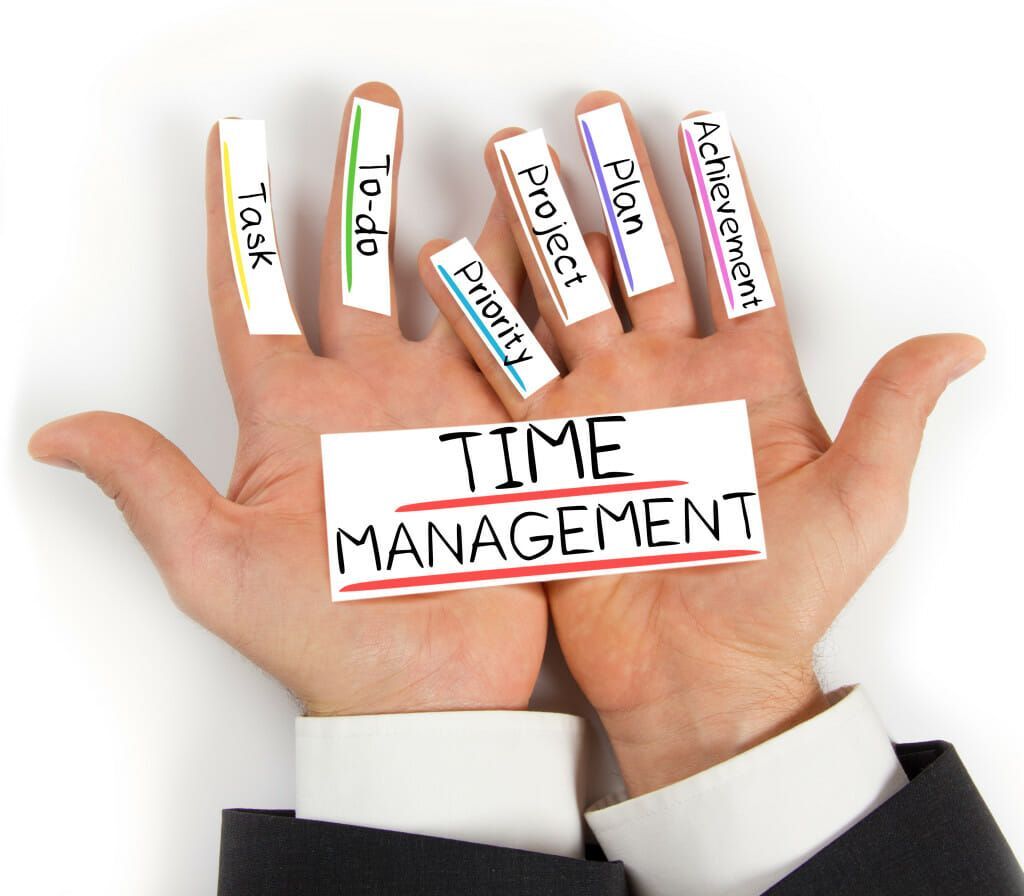
To effectively manage a mental to-do list, enhancing one’s focus and concentration is paramount. Distractions can easily derail task management efforts, making it crucial to adopt strategies that promote a clearer mental space. This section delves into methods for eliminating distractions, comparing techniques for improving concentration, and maintaining motivation towards achieving your mental tasks.
Eliminating Distractions
Distractions can take many forms, from environmental stimuli to digital interruptions. Successfully managing these distractions involves creating a conducive atmosphere for focus. Consider the following strategies:
- Designate a Quiet Workspace: Choosing a specific area free from noise and clutter can significantly improve concentration levels. This space should be dedicated solely to focused work, free from interruptions.
- Limit Digital Distractions: Utilize apps and settings to mute notifications on devices during task management sessions. Implementing “Do Not Disturb” modes can help maintain your attention.
- Establish Clear Boundaries: Inform colleagues and family members of your dedicated focus time to minimize interruptions. Setting boundaries can improve both respect for your time and your ability to concentrate.
- Manage Environmental Factors: Adjust lighting and temperature to your comfort level. A well-lit, comfortable environment can greatly aid in maintaining focus.
Methods for Improving Concentration
Concentration can be enhanced through various techniques that help streamline thought processes. Here are several effective methods:
- Meditation and Mindfulness: Regular practice of mindfulness exercises can strengthen one’s ability to concentrate. Techniques such as focused breathing or guided meditations can train the mind to remain present.
- Chunking Tasks: Breaking larger tasks into smaller, manageable segments creates a clearer focus. This tactic allows for a more straightforward approach to tackling complex projects without feeling overwhelmed.
- Time Management Techniques: Employing techniques like the Pomodoro Technique, which involves working in intervals followed by short breaks, can enhance concentration and sustain energy levels throughout the task.
- Physical Exercise: Engaging in physical activity boosts cognitive function and overall mental clarity, making it easier to concentrate on tasks.
Maintaining Motivation and Commitment
Staying motivated to adhere to a mental to-do list can be challenging. However, certain strategies can help sustain commitment to your tasks:
- Set Clear Goals: Defining specific, achievable goals helps maintain focus and motivation. Each completed goal contributes to a sense of accomplishment and encourages continued progress.
- Visualize Success: Regularly visualizing the completion of tasks can reinforce commitment. Imagining the positive outcomes associated with task completion can serve as a powerful motivator.
- Reward System: Implementing a reward system for achieved tasks enhances motivation. Small rewards can result in a sense of satisfaction and encourage the completion of additional tasks.
- Accountability Partners: Having a friend or colleague to share your goals with can create a sense of responsibility, increasing your commitment to sticking to your mental list.
“Eliminating distractions and enhancing concentration are essential steps in effectively managing a mental to-do list, leading to increased productivity and fulfillment.”
Reflecting on Progress and Adjusting Tasks
Reflecting on one’s progress and making necessary adjustments to a mental to-do list is crucial for effective task management. It allows individuals to take stock of what has been accomplished and to realign their focus based on changing priorities. Regular reflection helps maintain clarity and ensures that efforts are directed toward the most pressing tasks.
Assessing completed tasks provides insights into productivity patterns and highlights areas of strength or improvement. This process not only reinforces a sense of achievement but also fosters an understanding of how future tasks can be approached more efficiently. Moreover, as circumstances evolve, it is essential to adjust mental lists to reflect new priorities and responsibilities.
Guidelines for Adjusting Tasks
As priorities change, it becomes necessary to revise tasks in the mental to-do list. The following guidelines can aid in making these adjustments effectively:
- Regular Review: Set aside time weekly or bi-weekly to evaluate your mental list. This allows for a structured approach to reflecting on what has been accomplished and what remains to be completed.
- Prioritize Urgency and Importance: Utilize the Eisenhower Matrix, which categorizes tasks into four quadrants: urgent and important, important but not urgent, urgent but not important, and neither urgent nor important. This can provide clarity on which tasks require immediate attention.
- Be Flexible: Recognize that unexpected tasks may arise, and be willing to adapt your mental list to accommodate these changes. Flexibility ensures that you remain responsive to new priorities.
- Set Realistic Goals: Ensure that your list reflects achievable objectives. Overloading your mental to-do list can lead to burnout and decreased productivity.
- Utilize Visual Cues: Consider visualizing your tasks by mentally categorizing them or utilizing mental imagery, which can enhance memory retention and recall as you adjust your list.
Signs Indicating a Need to Revise the Mental List
Being attuned to signs that suggest a revision of the mental list is critical for maintaining productivity. Here are key indicators that it may be time to reorganize your tasks:
- Increased Stress Levels: If you find yourself feeling overwhelmed or anxious about your tasks, it may signal that your current list is unmanageable and requires reevaluation.
- Frequent Procrastination: A persistent tendency to postpone tasks can indicate that your mental list lacks clarity or motivation, necessitating an adjustment.
- Shifting Priorities: Changes in work or personal life, such as new projects or responsibilities, often require a realignment of your mental tasks to better reflect current priorities.
- Consistent Overlooked Tasks: If certain tasks remain unaddressed for an extended period, it may signal that they need to be reassessed and possibly reprioritized.
- Feedback from Others: Input from colleagues or friends about your workload can provide external insights, signaling when it might be time to reconsider your mental list.
Regular reflection and adjustment of your mental to-do list ensure that you remain focused on what truly matters, fostering a more productive and fulfilling approach to task management.
Tools and Resources for Support
Effective management of a mental to-do list can be significantly enhanced by utilizing various tools and resources designed to support cognitive organization. These tools not only help in structuring thoughts but also reinforce memory retention and task execution. Below are some recommended applications and practices, including the benefits of journaling and additional resources for further learning.
Applications for Task Management
Incorporating digital tools can streamline the mental task management process. The following applications are highly regarded for their efficacy in helping users organize their tasks and reminders:
- Trello: A visual tool that allows users to create boards for different projects, facilitating an organized overview of tasks and deadlines.
- Todoist: A task manager that supports natural language input, enabling users to quickly add tasks and set due dates.
- Evernote: A versatile note-taking application that helps in capturing ideas and to-do items in one centralized location.
- Google Keep: An easy-to-use note-taking app that allows for color-coded notes and reminders, ideal for quick task organization.
- Microsoft To Do: A user-friendly application that integrates with other Microsoft products, enabling seamless task management across platforms.
The Role of Journaling in Memory Retention
Journaling serves as an effective method for enhancing memory retention of tasks. By writing down tasks and thoughts, individuals are more likely to remember them. This practice also provides a space for reflection, allowing users to assess their progress.
“Writing tasks down in a journal can release mental clutter, making it easier to recall important information.”
The act of journaling can take various forms, such as daily logs, bullet journaling, or task-oriented entries. Each method encourages intentional reflection, which enhances mental clarity and focus on priority tasks.
Resources for Learning Mental Organization Techniques
For individuals interested in expanding their knowledge on mental organization techniques, numerous resources are available. These resources offer insights into cognitive strategies, productivity enhancements, and effective task management approaches.
- Books: Titles such as “Getting Things Done” by David Allen and “The 7 Habits of Highly Effective People” by Stephen Covey provide foundational knowledge on productivity and task management.
- Online Courses: Platforms like Coursera and Udemy offer courses focused on time management and personal productivity that can be immensely beneficial.
- Podcasts: Shows like “The Productivity Show” and “Beyond the To-Do List” explore different productivity techniques and guest insights, offering diverse perspectives on mental organization.
- Blogs and Articles: Websites such as Lifehacker and Zen Habits regularly publish articles on effective task management and mental organization strategies.
Concluding Remarks

In summary, mastering the art of managing a to-do list entirely in your head is a skill that can significantly enhance your productivity and mental acuity. By employing effective techniques and strategies for mental organization, individuals can navigate their daily tasks with confidence and ease. As you reflect on your progress and adapt to changing priorities, remember that this mental framework can empower you to achieve your goals while fostering a more structured approach to life.