How to Organize Your Space to Improve Your Memory is a vital exploration into the significance of an orderly environment on cognitive function and memory retention. In a world where distractions abound, understanding the direct correlation between organization and mental clarity can empower individuals to enhance their focus and productivity. This discussion will delve into various strategies and techniques to create an environment conducive to better memory performance, offering practical insights and actionable steps for anyone looking to improve their cognitive capabilities through organization.
The importance of organizing one’s space cannot be overstated; studies have consistently shown that cluttered environments hinder our ability to concentrate and retain information. By adopting effective decluttering techniques, creating functional workspaces, and utilizing organizational tools, we can cultivate spaces that not only look appealing but also significantly boost our memory and cognitive abilities. This article aims to provide a comprehensive guide to achieving such an environment, blending aesthetic considerations with functional organization for optimal results.
Importance of Organizing Space

A well-organized environment plays a crucial role in enhancing memory retention and cognitive function. The arrangement of our surroundings can significantly influence how information is processed, stored, and retrieved. When our space is cluttered, it can lead to distractions and hinder our ability to concentrate, ultimately impacting our memory.Research has shown that cluttered environments can create cognitive overload, making it difficult for individuals to focus on tasks at hand.
A study published in theJournal of Neuroscience* found that visual distractions can impede memory formation and retrieval, suggesting that an organized space is essential for optimal cognitive performance. Furthermore, a clean and orderly environment allows for better information processing, which is crucial for memory retention.
Impact of Clutter on Cognitive Function
The effects of clutter extend beyond mere aesthetics; they can profoundly impact cognitive abilities. The following points highlight the relationship between an organized environment and enhanced cognitive function:
- Reduction of Distractions: A clutter-free space minimizes distractions, allowing individuals to focus on tasks without interruptions from surrounding chaos.
- Enhanced Mood and Motivation: A tidy environment can promote a positive mood, which is essential for effective learning and memory retention.
- Improved Task Management: Organizing spaces can enhance an individual’s ability to prioritize tasks, leading to more efficient cognitive processes.
“A cluttered environment can lead to increased stress and anxiety, further impairing our capacity to remember information.”
Examples of organized spaces contributing to improved focus include study areas that utilize storage solutions to keep books and materials neatly arranged, allowing students to concentrate on their studies without the distraction of disarray. Additionally, workplaces designed with clear organization systems enable employees to find necessary materials quickly, boosting productivity and cognitive efficiency. By fostering an organized environment, individuals can significantly improve their memory and cognitive function, leading to more successful outcomes in both academic and professional settings.
Decluttering Techniques
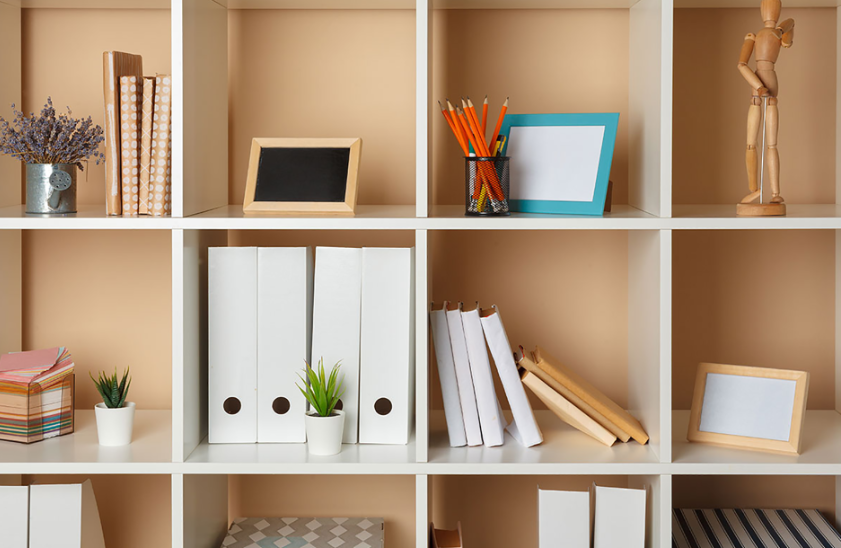
Effective decluttering is vital for creating a space that enhances memory and productivity. By systematically sorting through belongings, individuals can reduce distractions, create a more serene environment, and ultimately improve cognitive function. This process can lead to a clearer mind, allowing for better focus and retention of information.
Sorting Items into Keep, Donate, or Discard Categories
A structured approach to sorting items is essential for successful decluttering. The following methods can help individuals categorize their belongings effectively:
- Keep: Items that are regularly used or hold significant sentimental value should be placed in this category. Assess each item for its functional purpose and emotional attachment.
- Donate: Items that are in good condition but no longer serve a purpose in your life can be donated. This not only helps others but also reduces clutter. Consider local charities, shelters, or community centers that may benefit from these items.
- Discard: Items that are broken, outdated, or no longer useful should be discarded. Proper disposal methods, such as recycling, should be followed for environmentally responsible decluttering.
Benefits of the “One In, One Out” Rule
The “one in, one out” rule is a practical principle that aids in maintaining order in living spaces. By adhering to this rule, individuals commit to keeping their environments clutter-free. The benefits include:
- Consistency in organization, as each new item brought into the space requires the removal of an existing item, preventing accumulation.
- Heightened awareness of purchasing habits, leading to more thoughtful and intentional decisions when acquiring new items.
- Creation of a more harmonious living environment, as the physical space remains manageable and organized, contributing to reduced stress levels and enhanced focus.
Room-by-Room Decluttering Process
Approaching decluttering on a room-by-room basis can simplify the overall task and ensure thoroughness. The following steps can help streamline this process:
- Step 1: Start with a designated room and allocate sufficient time for the decluttering session. Set a timer to create a sense of urgency.
- Step 2: Empty the space of all items, creating a blank slate. This allows for a comprehensive assessment of what is necessary and what can be removed.
- Step 3: Work section by section, such as focusing on one corner, drawer, or shelf at a time. This focused approach prevents feelings of overwhelm.
- Step 4: Employ the sorting methods discussed earlier to categorize each item as you encounter it. Ensure that you remain objective and honest about the necessity of each item.
- Step 5: Once the sorting is complete, return the ‘keep’ items to their places in an organized manner. Dispose of or donate the items in their respective categories.
Creating Functional Workspaces
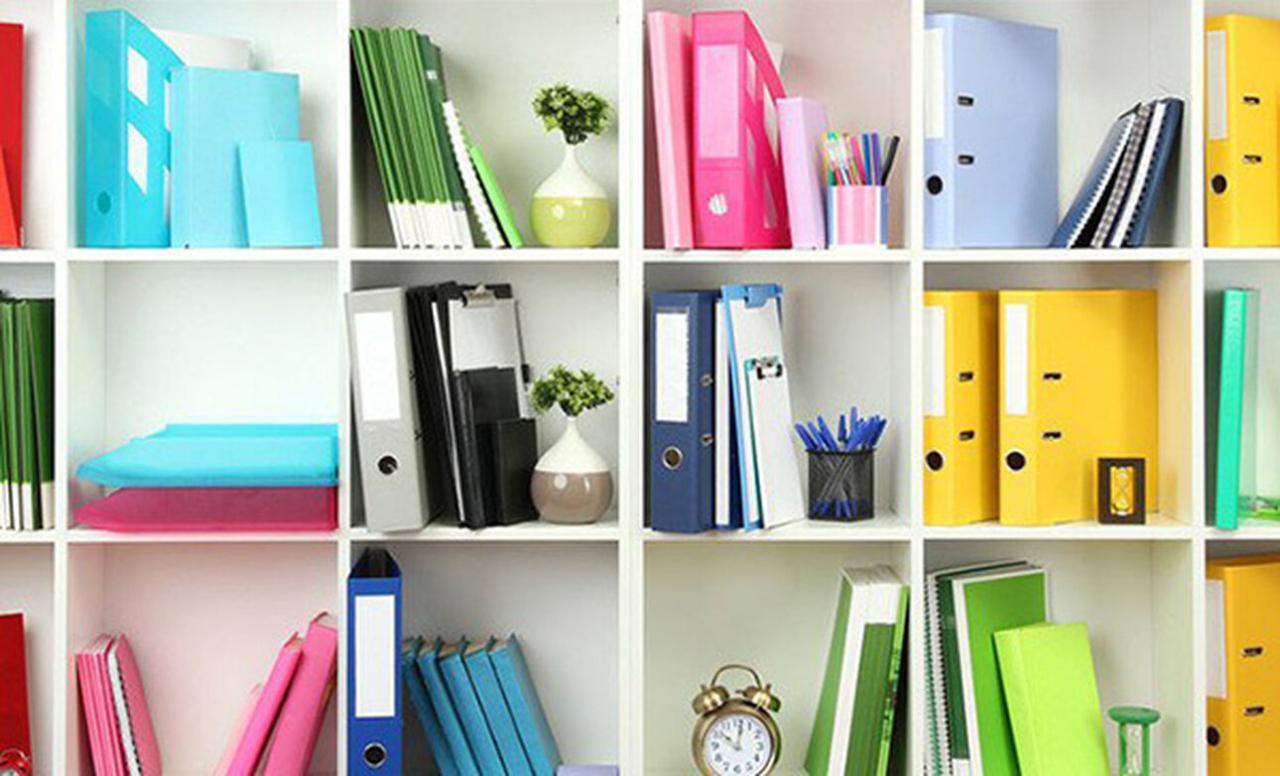
In today’s fast-paced environment, establishing a functional workspace is essential for enhancing productivity and improving memory retention. A well-organized workspace minimizes distractions and promotes a conducive atmosphere for focus and creativity. This section will explore effective layout designs, ergonomic furniture options, and the crucial role of lighting in workspace efficiency.
Workspace Layout Design
An efficient workspace layout is fundamental to minimizing distractions and maximizing productivity. The arrangement of furniture and tools impacts how easily one can concentrate and access necessary materials. Key components of an optimal workspace layout include:
- Defined Zones: Creating specific areas for different tasks can help delineate focus. For example, a dedicated area for computer work and another for brainstorming can enhance cognitive organization.
- Proximity of Resources: Keeping frequently used items within arm’s reach reduces the time spent searching for tools, thereby maintaining focus. This includes stationery, files, and electronic devices.
- Clutter-Free Environment: A minimalist approach helps in reducing visual distractions. Only essential items should be on the desk to promote a clear mind.
Ergonomic Furniture and Storage Solutions
Investing in ergonomic furniture can significantly impact comfort and concentration. Ergonomic designs support the body, reducing strain and fatigue during prolonged work hours. Important considerations include:
- Adjustable Desks: Standing desks or desks with adjustable heights allow users to alternate between sitting and standing, promoting better posture and circulation.
- Chairs with Lumbar Support: A chair that supports the lower back encourages proper alignment and minimizes discomfort during long periods of sitting.
- Effective Storage Solutions: Incorporating storage solutions such as drawers, shelves, and organizers helps keep the workspace tidy and materials easily accessible.
Lighting and Its Impact on Concentration
Proper lighting is essential in a workspace as it directly influences mood, productivity, and overall well-being. The right lighting can enhance focus and reduce eye strain. Consider the following aspects:
- Natural Light: Maximizing natural light can lead to improved mood and energy levels. Positioning the desk near windows allows for ample daylight, which is beneficial for cognitive performance.
- Task Lighting: Use adjustable desk lamps to provide focused illumination on specific work areas. This is particularly useful for detailed tasks, reducing the stress on the eyes.
- Color Temperature: The warmth or coolness of light can affect concentration. Cool white light is known to improve alertness, while warm light can create a sense of calm, making it suitable for relaxing areas.
“An organized workspace is not just a visual pleasure; it is a key component in fostering effective memory and learning.”
Utilizing Organizational Tools
Organizational tools play a crucial role in enhancing memory and improving overall productivity in both personal and workspaces. By leveraging the right tools and apps, individuals can effectively manage their tasks, streamline their spaces, and promote an environment conducive to memory retention. This section delves into essential organizational tools, the benefits of color-coding systems, and the importance of labels for clarity and accessibility.
Essential Tools and Apps for Organization
To maintain an organized space and boost memory, utilizing specific tools and applications can be transformative. Here are some highly recommended tools that facilitate organization:
- Todoist: A task management app that enables users to create and organize tasks into projects, set deadlines, and prioritize tasks efficiently.
- Evernote: A note-taking application that allows users to capture ideas, create to-do lists, and organize notes with tags for easy retrieval.
- Trello: A visual project management tool that uses boards and cards to help users track tasks and collaborate effectively.
- Google Keep: A simple note-taking app that allows users to jot down ideas, create lists, and set reminders, all while syncing across devices.
- Microsoft OneNote: A digital notebook that enables users to gather notes, images, and documents in one place, easily organized into sections and pages.
Employing these tools can significantly enhance organizational efficiency, allowing users to maintain focus and improve their retention of information.
Incorporating Color-Coding Systems
Color-coding is an effective organizational strategy that can simplify document management and enhance memory retention. By assigning specific colors to different categories of files and documents, users can quickly identify and retrieve information when needed. To effectively implement a color-coding system, consider the following guidelines:
- Choose a Color Scheme: Select a color palette that resonates with you, ensuring each color represents a specific category (e.g., red for urgent tasks, blue for long-term projects, green for personal matters).
- Consistent Application: Apply your color-coding consistently across all documents, folders, and digital files to create a recognizable system that becomes instinctive over time.
- Visual Reminders: Use colored sticky notes or labels in your workspace to reinforce the color-coding system and serve as visual cues for important tasks.
Incorporating color-coding not only streamlines the organization process but also aids in memory recall by creating a visual association with each category.
Using Labels for Clarity and Accessibility
Labels are essential tools for enhancing clarity and ensuring the accessibility of documents and items within any organized space. Proper labeling provides immediate identification, reducing the time spent searching for items and boosting productivity.Consider the following tips for effective labeling:
- Descriptive Labels: Use clear and concise language to describe the contents of boxes, folders, or shelves. For example, instead of labeling a box as “Miscellaneous,” specify the contents, such as “Winter Clothing” or “Tax Documents 2022.”
- Use of Icons: Incorporate simple icons or symbols alongside text on labels to provide an additional visual representation of the contents, enhancing recognition at a glance.
- Labeling Systems: Create a standardized labeling system across all areas of your space, utilizing similar font sizes, colors, and styles to promote uniformity and easy identification.
Proper labeling not only increases efficiency in locating items but also fosters an organized environment where memory recall is improved due to the clarity and immediate accessibility of information.
Establishing Routines for Maintenance
Maintaining an organized space requires consistent effort and the establishment of daily and weekly routines. By creating habits that facilitate ongoing organization, individuals can significantly enhance their memory and productivity. Routine maintenance not only prevents clutter from accumulating but also fosters a sense of control and calm, contributing to a more conducive environment for learning and creativity.To effectively keep your space organized, it is essential to implement daily habits and a regular checklist that ensures no area is overlooked.
Consistency is key, as these practices will become ingrained in your lifestyle. Below are detailed strategies to incorporate into your daily and weekly routines.
Daily Habits to Maintain an Organized Environment
Establishing daily habits is crucial to prevent clutter and maintain an organized space. The following practices can be easily integrated into your routine:
- Start Each Day with a Clean Slate: Spend five to ten minutes each morning tidying up your workspace. Put items back in their designated places and clear away unnecessary clutter.
- Implement the “One In, One Out” Rule: For every new item brought into your space, remove one item. This helps to maintain a balanced environment and prevents unnecessary accumulation.
- End-of-Day Cleanup: Dedicate the last few minutes of your workday to organize your space. This prepares you for a fresh start the next day and enhances your focus.
Weekly or Monthly Checklist for Thorough Organization
A comprehensive checklist aids in maintaining an organized environment by ensuring all areas receive attention regularly. Here is an example of what a weekly checklist might include:
- Clear Out Unused Items: Review your belongings and donate or discard anything that is no longer needed.
- Reorganize Storage Areas: Assess the organization of closets, drawers, and shelves. Rearrange items for better accessibility and efficiency.
- Deep Clean Your Space: Set aside time to dust, vacuum, and clean surfaces to maintain a pleasant and hygienic environment.
In addition to weekly tasks, a monthly review can involve more thorough evaluations and larger organizational projects, such as tackling specific rooms or areas that require extra attention.
Setting Reminders for Regular Decluttering Sessions
Utilizing reminders can significantly enhance your ability to maintain an organized space. Regular decluttering sessions should be scheduled to ensure that organization remains a priority. Here are effective ways to implement reminders:
- Digital Calendar Alerts: Use digital calendars to set reminders for weekly or monthly decluttering sessions. This proactive approach keeps organization on your radar.
- Physical Reminder Notes: Place sticky notes in visible areas to remind you of upcoming decluttering tasks. This serves as a visual cue to stay committed.
- Accountability Partners: Engage friends or family members in regular decluttering sessions. Having someone to share the experience with can motivate and encourage consistency.
By establishing these routines and utilizing reminders, maintaining an organized environment becomes a seamless part of daily life, ultimately improving memory and overall well-being.
The Role of Aesthetics in Memory
Creating a visually appealing space can significantly enhance cognitive performance and memory retention. The interplay between aesthetics and memory is a crucial factor that can influence how information is processed and recalled. By carefully selecting the visual elements within an environment, one can foster a setting that is not only pleasant but also conducive to effective learning and memory enhancement.
Visual Appeal and Cognitive Performance
Research indicates that the aesthetic quality of a space can have profound implications for cognitive function. A well-organized and visually stimulating environment can lead to improved focus and productivity. Colors, shapes, and overall design can evoke emotional responses, which in turn may affect memory retention. For instance, vibrant colors can energize and motivate individuals, while muted tones can create a calm atmosphere conducive to concentration.
- Color Schemes for Memory Retention: Certain color combinations have been shown to promote memory retention. For example, blue tones are often associated with tranquility and focus, making them ideal for study environments. Yellow is known to stimulate mental activity and is effective in creative spaces. Green, a color linked to nature, can enhance feelings of balance and reassurance, reducing stress and promoting learning.
- Contrasting Colors: Utilizing contrasting colors can also help in highlighting information and making it more memorable. For instance, using a bright color for headings against a neutral background can draw attention and aid in information retention.
The Impact of Natural Elements
Incorporating plants and natural elements into a workspace has shown to positively influence cognitive functions, including memory. Natural elements can reduce stress and create a sense of well-being, which is essential for effective learning and recollection. Studies have demonstrated that environments enriched with greenery not only improve air quality but also enhance mood and focus.
“Introducing plants into workspaces can lead to a 15% increase in productivity and cognitive performance.”
- Biophilic Design: The principles of biophilic design emphasize the connection between nature and human well-being. By integrating natural materials and plants into interior spaces, one can create a more inviting environment that encourages creativity and memory retention.
- Types of Plants: Certain plants, such as succulents and peace lilies, are low-maintenance and can thrive indoors while providing various cognitive benefits. They not only beautify the space but also improve mood and promote mental clarity.
Personalization and Memory
Personalizing your space can significantly enhance emotional connections and improve memory retention. When a space resonates with personal significance, it becomes a meaningful environment that fosters a sense of belonging and comfort, ultimately enhancing cognitive recall. Personalization allows individuals to form emotional bonds with their surroundings, which can serve as a powerful catalyst for memory enhancement.Meaningful items within a personalized space can act as effective memory triggers.
These items evoke memories and emotions associated with specific experiences or individuals, thereby reinforcing cognitive pathways that facilitate memory retrieval. For instance, photographs of loved ones, souvenirs from travels, or personal achievements can evoke vivid recollections and emotions. Such items not only beautify the space but also create a rich backdrop that can enhance focus and cognitive function.
Ways to Personalize Space for Memory Enhancement
Incorporating personal touches into your environment is essential for creating emotional connections that enhance memory. Here are effective strategies for personalizing your space:
- Display sentimental photographs: Choose images that evoke positive memories and emotions, placing them in areas where you spend the most time, such as your workspace or living area.
- Incorporate meaningful artifacts: Items such as travel souvenirs, family heirlooms, or awards can serve as constant reminders of significant experiences, thereby enhancing recall.
- Create a vision board: Use a corkboard or a designated wall space to display images, quotes, and reminders that inspire and motivate you, keeping your goals and memories in sight.
- Utilize color psychology: Choose colors that elicit specific moods or emotions, as different hues can evoke different feelings and enhance memory recall, such as blue for calmness or yellow for cheerfulness.
- Introduce plants: Adding greenery not only beautifies your space but also contributes to a positive atmosphere, which can enhance cognitive function and memory.
Balancing personal touches with minimalism is essential to avoid clutter and maintain a functional environment. Over-personalization can lead to distractions, undermining the benefits of a well-organized space. Consider these guidelines for achieving a balance:
- Select a few meaningful items: Instead of displaying every sentimental piece, choose a handful that truly resonates with you and fits harmoniously within your space.
- Rotate personal items: Change out the items on display periodically to maintain freshness and keep the space engaging without overwhelming it.
- Prioritize functionality: Ensure that the items you personalize your space with serve a purpose beyond aesthetics, contributing to a functional and efficient workspace.
- Maintain clean lines: Use simple and sleek furniture to provide a backdrop for your personalized items, ensuring they stand out without creating visual chaos.
“Personalization is not just about decoration; it is about creating an environment where memories can thrive.”
Final Wrap-Up
In summary, organizing your space is not merely about tidiness; it is a fundamental step towards enhancing your memory and overall cognitive function. By implementing the strategies discussed, from decluttering and designing efficient workspaces to establishing routines and personalizing your environment, you can create a sanctuary that fosters better memory retention and mental clarity. Embrace the journey of transforming your space, and watch as your cognitive abilities flourish in an organized setting, ultimately leading to improved focus and productivity in your daily life.