How to Remember Important Dates and Anniversaries sets the stage for this enthralling narrative, offering readers a glimpse into a story that is rich in detail and brimming with originality from the outset. Remembering significant dates and anniversaries holds tremendous importance in our lives, as these moments often serve as milestones that help us forge deeper emotional connections with our loved ones.
The repercussions of forgetting such dates can lead to misunderstandings and strained relationships, making it essential to find effective methods to keep these memories alive.
By exploring various techniques, from mnemonic devices to the use of technology and personalized calendars, we can equip ourselves with the tools necessary to ensure these important moments are cherished and celebrated. Engaging family and friends in this endeavor further enhances the joy of remembering, fostering a sense of community and shared experience that enriches our lives.
Importance of Remembering Dates

Remembering important dates and anniversaries is crucial in nurturing relationships and marking personal milestones. These dates often serve as reminders of shared experiences, commitments, and growth. The act of remembering not only signifies care and attentiveness but also fosters a deeper emotional connection between individuals. The emotional impact of remembering these significant dates is profound, as they often represent pivotal moments in our lives—birthdays, anniversaries, and other noteworthy occasions.
Such dates can evoke feelings of joy, nostalgia, and appreciation, enhancing the bonds between friends, family, and partners. In contrast, forgetting these moments can lead to disappointment, misunderstandings, and even strain on relationships, highlighting the importance of remembrance in maintaining harmonious connections.
Consequences of Forgetting Important Dates
Forgetting significant dates can have serious implications for interpersonal relationships. Individuals may feel undervalued or neglected when their loved ones overlook these occasions. Here are some notable consequences of neglecting to remember important dates:
- Emotional Distress: Forgetting anniversaries or birthdays can lead to feelings of sadness and disappointment for those involved, potentially causing rifts in relationships.
- Loss of Trust: Consistently forgetting important dates may lead partners or friends to question each other’s commitment and attentiveness, eroding trust over time.
- Missed Opportunities: Important dates often serve as occasions for celebration, reflection, and renewal of commitments. Neglecting them can mean missed chances to strengthen bonds.
- Social Repercussions: Forgetting significant events can lead to social awkwardness and tension, especially during group gatherings where such anniversaries are celebrated.
A survey conducted by a relationship counseling organization revealed that nearly 67% of respondents who forgot a significant date reported feelings of guilt and anxiety, while 45% noted that it affected their relationship dynamics negatively. These statistics underscore the necessity of keeping track of important dates, as the emotional repercussions can resonate far beyond the moment itself. By recognizing and honoring these milestones, individuals can forge stronger connections and create lasting memories that enrich their lives.
Techniques for Memorizing Dates
Memorizing important dates and anniversaries can significantly enhance personal and professional relationships. Utilizing effective techniques can transform the way we retain these significant moments, enabling us to recall them effortlessly. The following methods offer creative and systematic approaches to enhance memory retention for specific dates.
Mnemonic Devices
Mnemonic devices serve as powerful tools to aid in the memorization of dates by creating associations that are easier to recall. These devices utilize patterns, rhymes, or acronyms that link a piece of information with something memorable. Here are some effective mnemonic techniques:
- Chunking: Break down complex dates into smaller, manageable parts. For instance, the date “July 4, 1776” can be remembered as “7-4-76,” making it easier to recall.
- Rhymes and Alliteration: Create a rhyme or alliterative phrase that incorporates the date. For example, “On four-seven, the stars were given,” to remember July 4th.
- Acronyms: Develop an acronym using the first letters of significant words related to the date. For instance, for Valentine’s Day (February 14), you could use “VD” to remind you that it’s a significant day.
Method of Loci
The method of loci, also known as the memory palace technique, is a historical mnemonic strategy that involves visualizing a familiar place and associating specific dates with distinct locations within that space. To apply this method, follow these steps:
“Visualize a familiar environment, such as your home, and assign each room or object a specific date.”
- Select a known location, such as your house.
- Identify key points or rooms within that location.
- Associate each room with an important date; for example, the kitchen can represent your anniversary, while the living room can signify a friend’s birthday.
- When you need to recall a date, mentally walk through your chosen location, retrieving the associated dates as you encounter each room or object.
This technique leverages spatial memory, making it easier to recall dates through visualization.
Creating Personal Associations
Establishing personal connections between dates and meaningful events or stories can significantly enhance memory retention. This method allows dates to transcend mere numerals, transforming them into vivid memories associated with emotions or experiences. Here’s how to effectively create these associations:
- Relate Dates to Significant Life Events: Connect important dates with personal milestones, such as a wedding date linked to the day you met your partner.
- Use Visual Imagery: Form a mental picture that connects a date with a personal story. For example, visualize celebrating a milestone birthday at a specific location to reinforce that date in your memory.
- Tell a Story: Construct a narrative that includes the important date. For instance, recounting a memorable trip that occurred on a specific date can help solidify that date in your mind.
By intertwining dates with personal experiences, the likelihood of remembering them increases, as they become emotionally significant rather than abstract numbers.
Using Technology to Keep Track
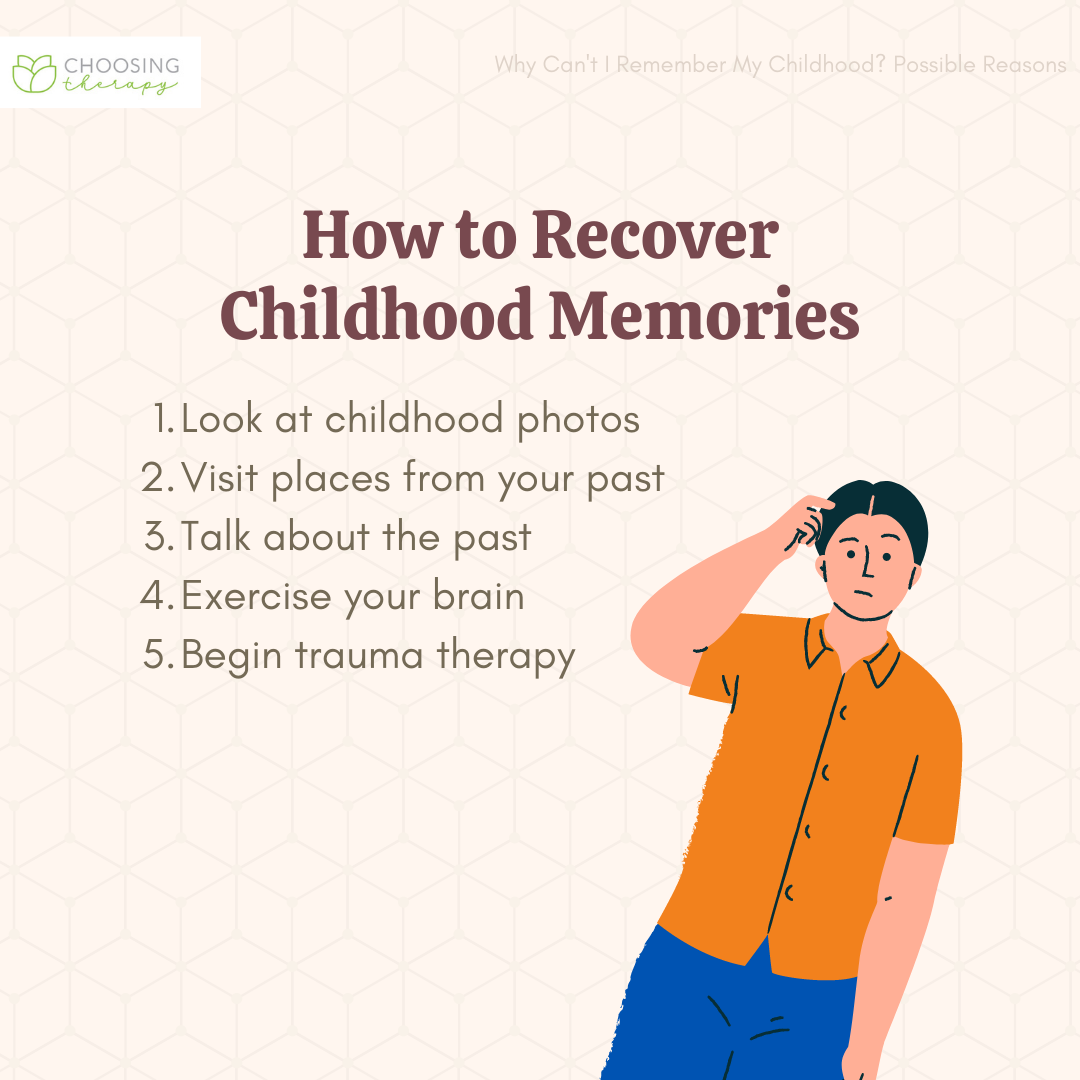
In the modern age, technology provides various tools and applications that can significantly enhance our ability to remember important dates and anniversaries. With the advent of smartphones and cloud-based systems, the ways in which we can manage our calendars have expanded beyond traditional methods. This section explores the software and applications available to assist in tracking significant dates and highlights the useful features these technologies offer.
Applications and Software for Tracking Dates
Numerous applications and software solutions are available that cater specifically to tracking important dates such as anniversaries and birthdays. These tools not only help individuals remember these dates but also facilitate planning and organization.
- Google Calendar: A widely used application that allows users to create events, set reminders, and even share calendars with others. Its integration with other Google services enhances its functionality.
- Microsoft Outlook: Offers robust calendar features that integrate well with email and tasks, making it easy to manage personal and professional dates.
- Birthday Alarm: A dedicated app that sends notifications ahead of birthdays and anniversaries, designed specifically for remembering personal milestones.
- Any.do: A task management app that includes calendar features, allowing reminders for important dates alongside daily tasks.
- Apple Calendar: For Apple users, this native application synchronizes with various devices, ensuring reminders are always accessible, whether on an iPhone, iPad, or Mac.
Calendar Features for Managing Anniversaries
Many digital calendar applications incorporate features that are instrumental in managing anniversaries and important dates effectively. These features aid in ensuring that such occasions are not overlooked.
- Reminders: Users can set one-time or recurring reminders that alert them ahead of an important date, helping to accommodate preparations or gift purchasing.
- Notifications: Push notifications can be customized to alert users at chosen intervals before the date, providing ample time for planning.
- Event Sharing: Many applications allow users to share their calendars with family and friends, ensuring that everyone is aware of important dates.
- Recurring Events: Users can create recurring events for annual anniversaries, which saves time and ensures that these dates are automatically logged each year.
- Customizable Themes: Some applications allow users to personalize their calendars with themes, making the process of keeping track more visually appealing.
Pros and Cons of Digital Tools Versus Traditional Methods
Utilizing digital tools for tracking important dates offers distinct advantages and disadvantages compared to traditional pen-and-paper methods.
- Pros:
- Accessibility: Digital calendars can be accessed from multiple devices, ensuring that users have their important dates at their fingertips.
- Automatic Reminders: The ability to set automated reminders minimizes the risk of forgetting important dates.
- Synchronization: Events can be synchronized across devices, providing a seamless experience.
- Cons:
- Distractions: The presence of notifications for other applications may lead to distractions, detracting from the focus on the important date.
- Technical Issues: Dependence on technology comes with the risk of software malfunctions or data loss if not backed up properly.
- Over-Reliance: Individuals may become over-reliant on technology, leading to neglect of personal memory skills.
“The ease of digital tools must be balanced with the personal touch of remembering dates through mindful reflection.”
Creating a Personalized Calendar
Personalized calendars serve as valuable tools for remembering important dates and anniversaries while adding a unique touch that reflects individual preferences. By designing a calendar tailored to specific needs and tastes, one can enhance the likelihood of remembering significant events throughout the year. This guide will walk you through the process of creating a personalized calendar that is both practical and aesthetically pleasing.When crafting a personalized calendar, it is essential to follow a structured approach that encompasses planning, designing, and customizing.
Below is a detailed step-by-step guide to help you create a calendar that highlights important dates in a memorable way.
Step-by-Step Guide to Creating a Personalized Calendar
To ensure a seamless process in creating your personalized calendar, consider the following steps:
- Gather Essential Materials: Collect all necessary tools such as paper, markers, stickers, and a printer, if applicable. Digital options like calendar-making software can also be utilized.
- Identify Important Dates: Compile a list of crucial anniversaries, birthdays, and other significant events to include in your calendar.
- Select a Calendar Format: Choose between a wall calendar, desk calendar, or a digital format, depending on your preferences and space availability.
- Design the Layout: Decide on the overall design and layout, ensuring that there is ample space for notes and photos. Consider a grid format for easy date tracking.
- Add Personal Touches: Incorporate themes that resonate with your interests, such as nature, travel, or family. Choose colors and fonts that align with the selected theme.
- Incorporate Photos and Mementos: Enhance the calendar by adding photographs from special occasions or inserting small mementos, such as ticket stubs or pressed flowers, to evoke memories.
- Print or Assemble: If you are working digitally, print your calendar on high-quality paper. For physical calendars, assemble the components carefully, ensuring everything is securely attached.
- Display Your Calendar: Place the calendar in a visible location where it will serve as a constant reminder of upcoming events.
Themes and Layouts for Memorable Calendars
Choosing a theme and layout is crucial for making your calendar visually appealing and memorable. Here are a few examples that can be customized:
- Seasonal Themes: Design each month to reflect the changing seasons, using colors and images that represent spring, summer, autumn, and winter.
- Family Oriented: Dedicate each month to a different family member, including personalized messages and photos to celebrate their milestones.
- Travel Destinations: Use images from past vacations to inspire future travels, featuring a different destination each month.
- Nature and Wildlife: Incorporate stunning nature photography or illustrations that resonate with your love for the outdoors, enhancing the aesthetic appeal.
Incorporating Photos and Mementos
Adding photographs and tangible mementos to your calendar can significantly enhance its sentimental value. Here are some tips on how to effectively incorporate these elements:
- Choose Relevant Images: Select images that evoke memories associated with specific dates. For instance, use a family photo from a birthday celebration or a picture from a favorite vacation spot.
- Use Photo Collages: Create collages for months with multiple important events, combining various photos into a single visual representation.
- Attach Mementos: Glue or tape small items such as postcards, dried flowers, or ticket stubs next to the corresponding dates to create a tactile memory experience.
- Leave Space for Notes: Designate areas for writing personal reflections or notes about the events associated with the photos or mementos, adding a narrative to each date.
Engaging Family and Friends
Involving family and friends in the process of remembering important dates and anniversaries can lead to a more meaningful and communal experience. When these moments are shared, they not only strengthen relationships but also create a support system that encourages everyone to stay mindful of significant events. This collaborative approach can enhance the emotional connection to these dates, making them more memorable and enjoyable.Creating a plan for regular gatherings that celebrate important milestones is an effective way to engage with loved ones.
These gatherings can range from simple get-togethers to elaborate parties, depending on the significance of the occasion. Regularly scheduled events can serve as reminders for everyone involved, ensuring that no important date is overlooked.
Collaborative Methods for Keeping Track of Significant Dates
To effectively remember each other’s important dates, families and friends can adopt various collaborative methods. These strategies can help in sharing responsibility and ensuring that everyone stays informed.One effective method is establishing a shared digital calendar. Utilizing platforms like Google Calendar allows multiple users to input and receive notifications for significant dates. This method fosters a collective effort in remembering anniversaries, birthdays, and other milestones.
Another engaging approach is organizing a yearly “celebration calendar” where each member contributes to a communal calendar filled with important dates of all family and friends. This can be printed and distributed, serving as a physical reminder of upcoming celebrations.Regular gatherings can also be scheduled to coincide with significant dates, such as monthly dinners where each member highlights an important event within that month.
This not only serves as a reminder but also transforms the act of remembering into a communal celebration, fostering togetherness.
“Sharing the responsibility of remembering important dates strengthens bonds and enhances the joy of celebration.”
In summary, involving family and friends in remembering important dates can transform the experience from a solitary task into a joyful communal celebration. By adopting collaborative methods and planning regular gatherings, the act of remembering becomes enriched with shared experiences and stronger connections.
Rituals and Traditions

Establishing rituals around important dates can significantly enhance memory retention and create a lasting impact on how individuals perceive these moments. Rituals provide a structured way to celebrate or acknowledge significant events, linking them with emotional resonance that aids in remembrance. The repetition of these activities solidifies their place in our memory, transforming mere dates into meaningful experiences.Rituals and traditions vary widely across cultures, each holding unique ways to honor anniversaries and important dates.
These practices not only serve as a means of celebration but also reinforce social bonds and cultural identity. Below are examples of traditions from different cultures that highlight the importance of honoring significant dates:
Cultural Traditions for Honoring Anniversaries
Many cultures have established specific traditions that revolve around commemorating important dates, promoting community engagement and personal reflection. Here are a few notable examples:
- Chinese New Year: This festival marks the beginning of the lunar new year and is celebrated with various rituals, such as family reunions, feasting, and exchanging red envelopes filled with money. It is a moment to honor ancestors and wish for prosperity in the coming year.
- Diwali: Known as the Festival of Lights in India, Diwali celebrates the triumph of light over darkness. Families decorate their homes with lamps, share sweets, and perform prayers, fostering a sense of unity and gratitude.
- Mexican Día de los Muertos: This holiday honors deceased loved ones, where families create altars (ofrendas) adorned with photos, flowers, and favorite foods of the departed. It is a celebration of life and death, encouraging remembrance and connection.
- Wedding Anniversaries: Many couples commemorate their wedding anniversaries with specific gifts or celebrations, such as silver for 25 years or gold for 50 years. These milestones often include renewing vows, symbolizing the commitment to one another.
Creating new traditions can significantly strengthen the significance of important dates in one’s life. By establishing personal rituals, individuals can tailor their celebrations to reflect their unique experiences and relationships. This personalization fosters deeper emotional connections and ensures that these moments are cherished and remembered.
Establishing Personal Traditions
Developing new rituals around significant dates can solidify their importance. Here are a few strategies to consider:
- Annual Gatherings: Organizing a yearly family reunion or gathering on a specific date can create a sense of continuity and strengthen familial ties.
- Creating a Memory Book: Documenting special moments on anniversaries provides a tangible way to reflect on past experiences, celebrating growth and shared stories.
- Special Meals or Activities: Preparing a favorite meal or engaging in a cherished activity on significant dates can become a tradition that evokes fond memories.
- Charitable Acts: Committing to perform acts of kindness or charity on important dates can imbue these occasions with a sense of purpose and community involvement.
By integrating these personal rituals into the fabric of life, individuals can ensure that important dates are not merely remembered but are celebrated meaningfully, fostering a richer emotional landscape.
Overcoming Forgetfulness
Remembering important dates and anniversaries can often feel overwhelming, leading to feelings of guilt or inadequacy when we inevitably forget. Understanding the reasons behind forgetfulness is a crucial step in developing effective strategies to combat this common issue. By identifying these reasons and employing practical techniques, individuals can enhance their memory recall and foster a more organized approach to remembering significant dates.Common reasons for forgetfulness include a lack of effective organizational strategies, high levels of stress, and cognitive overload.
When individuals are overwhelmed with daily tasks, important dates may simply slip their minds. Additionally, age-related cognitive decline can impact memory. To address these issues, it is essential to adopt a proactive mindset and implement structured methods for maintaining awareness of important events.
Strategies for Enhancing Memory Recall
Implementing specific strategies can significantly improve one’s ability to remember important dates. These methods create a structured routine that aids memory retention:
- Utilize Memory Techniques: Techniques such as mnemonic devices, visualization, and the method of loci can aid in remembering specific dates by associating them with familiar concepts or images.
- Regularly Review Important Dates: Setting aside time weekly to review upcoming anniversaries and significant dates helps reinforce memory and reduces the likelihood of forgetting.
- Establish Reminders: Utilize alarms or calendar notifications on smartphones or digital devices to create alerts ahead of important dates.
- Break Information into Smaller Chunks: Instead of trying to remember many dates at once, focusing on a few at a time can lessen cognitive load and enhance recall.
- Stay Physically Active: Regular physical activity has been shown to improve brain health and cognitive function, which can support memory retention.
The psychological aspects of forgetfulness can induce feelings of guilt, particularly when important events are overlooked. It is essential to recognize that forgetfulness is a common experience and does not reflect one’s value or commitment to loved ones. Developing coping strategies can alleviate this guilt. Engaging in open communication with friends and family about forgetfulness can foster understanding and support, while also emphasizing that it is a shared human experience.
Practicing self-compassion and reminding oneself that everyone forgets at times can be empowering, allowing individuals to move forward without the burden of guilt.
“Forgetfulness is not a flaw of character but rather a natural aspect of the human experience.”
Celebrating Milestones
Celebrating significant anniversaries and dates is an essential aspect of maintaining relationships and creating lasting memories. Milestones serve as markers in our lives, allowing us to reflect on our journeys, honor our achievements, and strengthen connections with loved ones. These celebrations not only bring joy but also reinforce the importance of the moments that have shaped our lives.Commemorating special occasions can take many forms, ranging from simple gatherings to elaborate events.
Unique ways to celebrate can enhance the experience, making it memorable and meaningful. Here are some innovative ideas to consider when planning milestones:
Unique Ways to Commemorate Special Occasions
Creating a memorable celebration involves thoughtful planning and creativity. Consider the following suggestions to make your milestone celebrations truly special:
- Themed Parties: Organize a celebration around a specific theme that resonates with the milestone. For instance, for a 50th wedding anniversary, a “Golden Anniversary” theme with gold decorations and attire can add elegance and significance.
- Memory Lane Walk: Create a display or a slideshow that showcases important moments related to the milestone. This could include photographs, letters, and other memorabilia that highlight the journey.
- Adventure Experience: Plan an outing or an adventure that aligns with the interests of the individual or couple being celebrated, such as a hot air balloon ride or a weekend getaway to a favorite destination.
- Personalized Gifts: Consider giving gifts that are customized, such as engraved jewelry or a scrapbook filled with messages and photos from family and friends, capturing shared memories and well-wishes.
- Charitable Contributions: In lieu of traditional gifts, invite guests to contribute to a charity that is meaningful to the honoree. This not only honors the occasion but also gives back to the community.
To ensure that your celebrations are meaningful, it is helpful to have a checklist of activities and ideas. Here is a comprehensive list of suggestions that can help in organizing memorable celebrations:
Checklist of Activities for Meaningful Celebrations
Crafting a celebration that resonates with the significance of the occasion requires careful thought and execution. The following checklist can assist in planning a memorable event:
- Set a Date and Time: Choose a date that is convenient for key participants and aligns with the significance of the milestone.
- Select a Venue: Consider hosting the event at a location that holds sentimental value, such as a favorite restaurant, park, or even at home.
- Guest List: Compile a list of family and friends who should be invited to share in the celebration, ensuring that it includes those who have been part of the journey.
- Food and Beverages: Plan a menu that reflects the tastes of the honoree. This could include favorite dishes, a cake, and beverages that enhance the celebratory atmosphere.
- Activities and Entertainment: Organize games, speeches, or performances that can engage guests and create an enjoyable atmosphere.
- Decorations: Choose décor that aligns with the theme and significance of the occasion, creating a visually appealing setting.
- Document the Event: Hire a photographer or set up a photo booth to capture special moments during the celebration, ensuring lasting memories.
“Celebrations are not just events; they are milestones that remind us of our shared journeys and collective memories.”
Final Thoughts
In conclusion, prioritizing the remembrance of important dates and anniversaries not only strengthens our bonds with others but also enriches our personal histories. By implementing the strategies discussed, including establishing rituals and leveraging technology, we can create lasting memories that honor our relationships and milestones. Embracing the significance of these dates allows us to celebrate life’s beautiful moments and ensures that we never miss an opportunity to express our care and appreciation to those who matter most.