Beginning with How to Use Storytelling to Memorize Complex Subjects, the narrative unfolds in a compelling and distinctive manner, drawing readers into a story that promises to be both engaging and uniquely memorable. Storytelling has long been recognized as a powerful educational tool, transcending mere facts and figures to create lasting connections in the minds of learners. By harnessing the art of storytelling, educators can enhance memory retention, simplify complex subjects, and foster deeper emotional engagement, ultimately transforming the learning experience.
Understanding Storytelling
Storytelling serves as a powerful educational tool that enhances learning and memory retention. By weaving complex information into engaging narratives, learners can connect with the material on a deeper level. This emotional engagement not only aids in understanding but also facilitates recall, as stories activate various cognitive processes that support memory consolidation.The use of storytelling techniques in education can take various forms, each designed to cater to different learning styles and subject matters.
For instance, narrative-driven lessons, case-based learning, and role-playing scenarios allow educators to present information in a manner that is relatable and memorable. By employing these techniques, instructors can transform abstract concepts into meaningful experiences.
Types of Storytelling Techniques in Education
There are several effective storytelling techniques commonly used in educational settings that promote understanding and retention. Recognizing these techniques can help educators select the most suitable method for their audience and subject matter.
- Narrative Storytelling: This technique involves creating a structured story with a clear beginning, middle, and end. It’s particularly effective for conveying historical events or complex theories, as it allows learners to follow a logical progression and develop a narrative context for the information.
- Case-Based Learning: This technique uses real-world scenarios to illustrate theoretical concepts. By analyzing and discussing specific cases, learners can see the practical application of what they are studying, which enhances comprehension and retention.
- Role-Playing: Role-playing immerses learners in a scenario where they assume characters within a story. This technique fosters empathy and a deeper understanding of diverse perspectives, making the learning experience more impactful.
- Visual Storytelling: Incorporating images, diagrams, and infographics into storytelling can reinforce the narrative. Visual elements help to break down complex information and make it more digestible, catering to visual learners.
- Digital Storytelling: Utilizing multimedia tools, such as videos and podcasts, allows for dynamic storytelling. This approach can engage today’s digitally-savvy learners and can be particularly effective in remote learning environments.
Psychological Principles Behind Storytelling and Memory
Understanding the psychological principles that underpin storytelling can illuminate why it is such an effective tool for memory retention. Several key theories and concepts provide insight into this phenomenon.One significant principle is the
dual coding theory
, which posits that information is better retained when it is presented in both verbal and visual formats. Stories often leverage this by combining descriptive language with imagery, facilitating deeper cognitive processing.Another important concept is the
generation effect
, which suggests that individuals are more likely to remember information that they have actively engaged with, rather than passively received. Storytelling encourages learners to generate meaning through their own interpretations, enhancing retention.Additionally,
emotional engagement
plays a critical role in memory retention. Stories often evoke emotions, which can strengthen memory traces. The amygdala, a part of the brain involved in emotion processing, can enhance the likelihood of recalling emotionally charged events or information.Finally, the principle of
narrative transportation
indicates that when individuals become immersed in a story, they are less likely to focus on distractions and more likely to absorb the material being presented. This heightened state of focus allows for better encoding of information into memory.Incorporating these psychological insights into storytelling practices can significantly enhance educational outcomes and support learners in mastering complex subjects.
The Role of Emotion in Storytelling

Emotional engagement is a powerful tool in storytelling that significantly enhances memory retention. When individuals connect emotionally with a narrative, they are more likely to remember the information conveyed. Emotions act as catalysts that forge deeper cognitive connections, allowing complex subjects to be internalized and recalled effectively.The impact of emotional storytelling on complex subjects is noteworthy. For instance, when teaching historical events, educators often employ narratives filled with personal anecdotes and emotional depth, which resonate with students.
A vivid recounting of a soldier’s experiences during wartime, complete with the fears and hopes that accompany such a scenario, allows learners to grasp the gravity of the historical context. This emotional connection makes the subject matter more relatable and memorable, contrasting with mere facts and figures.
Methods for Incorporating Emotional Elements into Educational Narratives
Integrating emotional elements into educational storytelling can significantly improve engagement and retention. Several methods can be employed to achieve this:
1. Personal Anecdotes
Sharing personal stories or experiences related to the subject matter helps to humanize complex concepts. For instance, a science educator discussing climate change might share a personal experience of witnessing environmental changes in their community, creating a compelling emotional backdrop for the lesson.
2. Character Development
Crafting characters with relatable traits and emotions allows learners to connect with the narrative on a personal level. In a lesson about economic theories, creating a character who faces financial struggles can illustrate the real-world implications of these theories, eliciting empathy and understanding.
3. Imagery and Descriptive Language
Employing vivid imagery and descriptive language evokes emotions and paints a mental picture for the audience. For example, when discussing the impact of a natural disaster, describing the sights, sounds, and emotions of the affected individuals can create a more immersive experience, leading to greater retention.
4. Conflict and Resolution
Incorporating elements of conflict and resolution within a story can amplify emotional engagement. For example, when teaching about medical ethics, presenting a narrative where a doctor faces a difficult decision highlights the moral dilemmas involved, prompting learners to empathize with the characters and consider the complexities of the subject.
5. Multimedia Integration
Utilizing multimedia elements such as videos or audio recordings can enhance emotional resonance. A documentary segment showcasing real-life stories of individuals affected by poverty can profoundly impact students, making economic theories more tangible and urgent.Incorporating these methods into educational narratives not only makes complex subjects more accessible but also fosters a deeper emotional connection, leading to improved memory retention and understanding among learners.
Structuring a Story for Learning
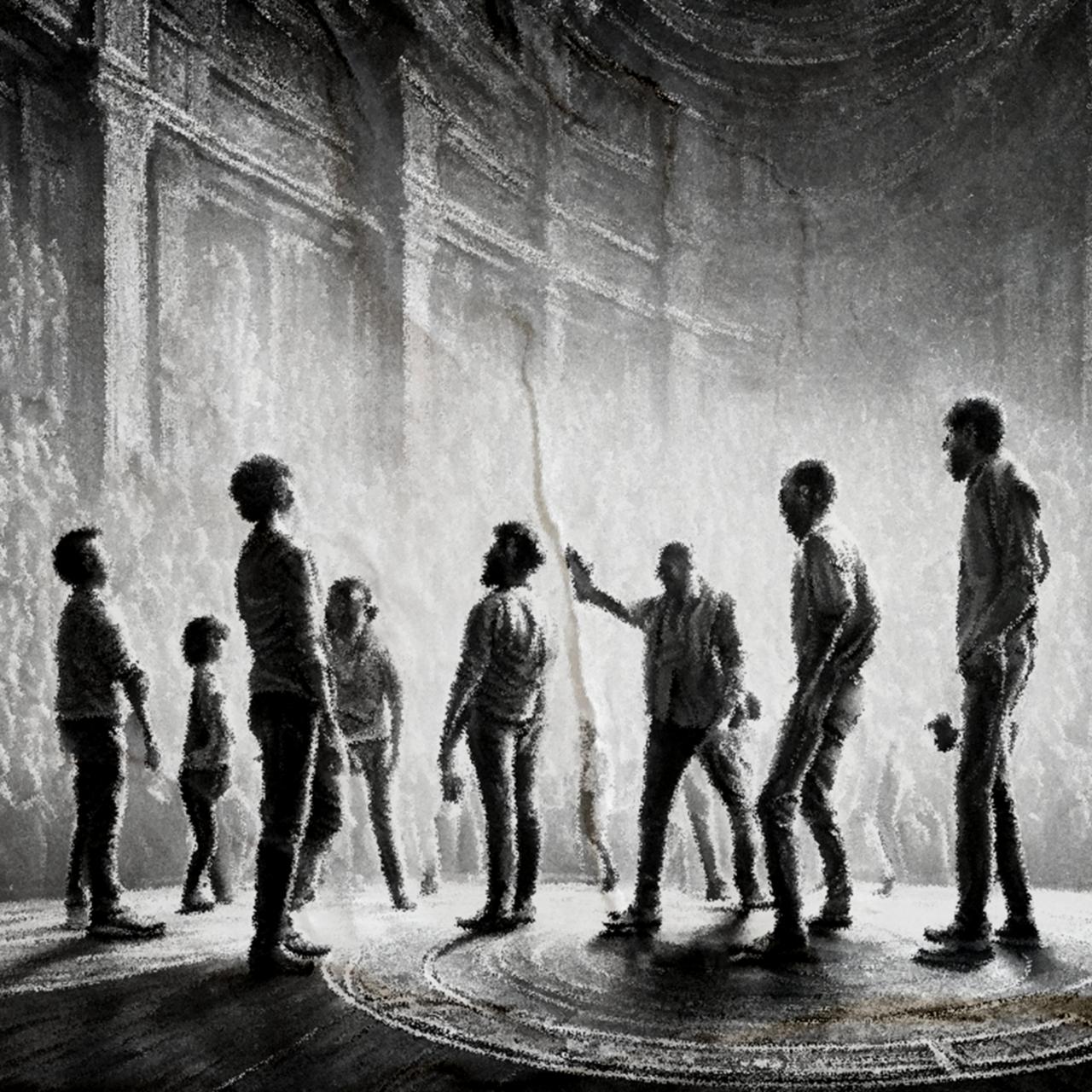
Creating educational stories is an effective method for simplifying complex subjects. A well-structured narrative can transform challenging material into engaging and memorable content. By leveraging storytelling techniques, educators and learners can foster a deeper understanding of intricate concepts. This section explores a framework for crafting educational stories, providing a step-by-step guide to organizing ideas into a coherent narrative, and examining the significant role of conflict and resolution in educational storytelling.
Framework for Educational Stories
Establishing a framework is essential for creating impactful educational stories. This framework should serve as a guideline to ensure clarity and purpose in storytelling. The following components Artikel the fundamental elements that should be included:
- Setting: Define the context and environment of the story. The setting provides the backdrop against which the narrative unfolds, making it easier for learners to visualize and connect with the material.
- Characters: Introduce relatable characters who embody the concepts being taught. Characters can be students, educators, or even anthropomorphized ideas, helping to personalize the learning experience.
- Conflict: Present a challenge or problem that needs to be resolved. This conflict is crucial as it creates engagement and motivates learners to explore solutions.
- Resolution: Offer a resolution to the conflict that is informed by the concepts being taught. This allows learners to see the practical application of theory in a real-world context.
Step-by-Step Guide to Organizing Ideas
To structure a story effectively, it is important to follow a systematic approach. The steps Artikeld below provide a clear path for organizing ideas into a compelling narrative:
- Identify Learning Objectives: Clearly define what concepts need to be communicated. Understanding the goals will guide the storytelling process.
- Create a Story Artikel: Draft a rough Artikel that includes the main components: setting, characters, conflict, and resolution. This provides a roadmap for the narrative.
- Develop Characters: Flesh out the characters, ensuring they are relatable and can embody the learning objectives. Consider their motivations and how they relate to the conflict.
- Build the Narrative Arc: Organize the story into a beginning, middle, and end. The beginning should introduce the setting and characters, the middle should present the conflict, and the end should provide a resolution.
- Incorporate Details: Add descriptive elements to enhance the storytelling experience. Vivid imagery, emotions, and sensory details can make the story more engaging.
- Review and Revise: After drafting the story, review it for coherence, clarity, and alignment with learning objectives. Adjust elements as necessary to ensure a smooth flow.
Significance of Conflict and Resolution
Conflict plays a vital role in educational storytelling, serving as the catalyst for engagement and exploration. By introducing a challenge, learners are prompted to think critically and apply their knowledge to find solutions. The resolution of the conflict not only reinforces the learning objectives but also illustrates the practical implications of the concepts taught.
“Conflict in storytelling is not just about struggle, but about the journey of discovery and learning that the characters undergo.”
In conclusion, structuring a story for learning involves a deliberate approach that emphasizes clarity, engagement, and relevance. By following the Artikeld framework and steps, educators can craft narratives that enhance understanding and retention of complex subjects.
Techniques for Memorization through Storytelling
Storytelling is a powerful tool for enhancing memory retention, especially when it comes to complex subjects. By weaving information into a narrative, students can create mental frameworks that facilitate recall. This section explores effective techniques for memorization through storytelling, including mnemonic devices, visual imagery, and character development, all of which can significantly enhance the learning experience.
Mnemonic Devices in Storytelling
Mnemonic devices serve as memory aids, allowing learners to associate complex information with simpler concepts. Integrating these devices into storytelling can create memorable connections. The following list Artikels various mnemonic techniques that can be seamlessly incorporated into narratives:
- Chunking: Break down information into smaller, manageable units. For example, a story about a team of explorers can highlight different discoveries, each representing a chunk of information.
- Acrostics: Create phrases where the first letter of each word corresponds to a term or concept. In a story about a magical forest, each character could represent a letter of a key phrase related to a subject.
- Rhymes and Alliteration: Use rhyming phrases or alliteration to make facts more memorable. A character named “Benny the Bouncing Bear” could help recall specific facts about wildlife.
- Visual Symbols: Assign symbols to concepts within the story. For instance, a sun could symbolize energy, while a tree could represent growth, enhancing both visual and conceptual memory.
Visual Imagery in Storytelling
Visual imagery is crucial for enhancing recall, as it engages the mind’s eye and creates vivid associations. When crafting a story, the use of descriptive language to generate mental images can significantly aid memory retention. Consider the following strategies:The author can describe a bustling marketplace filled with vibrant colors, enticing smells, and lively sounds, prompting readers to visualize the scene.
This imagery can anchor factual information, such as the economic activities of a region, in the reader’s mind.Incorporating metaphors and similes can also enhance visual imagery. For example, describing a difficult concept as “a mountain to climb” allows readers to visualize challenges and solutions, making the information more relatable and easier to remember.Additionally, inviting the audience to visualize scenes as they unfold can stimulate their imagination.
For instance, as a character navigates through a stormy sea, readers can mentally picture the turbulent waters, reinforcing the significance of resilience in overcoming obstacles.
Character Development to Reinforce Learning Concepts
Developing characters in a story can provide a relatable context for complex subjects, allowing learners to form emotional connections and enhance their understanding. Here are some methods to utilize character development effectively:Characters can embody specific traits or represent various concepts within the subject matter. For example, a scientist character could symbolize critical thinking, while an artist might represent creativity. As these characters interact, they can illustrate the interplay between different concepts, reinforcing their significance.The journey of character development can also mirror the learning process.
By showcasing characters overcoming obstacles, experiencing successes, or learning from failures, readers can relate their own learning experiences to the narrative. This connection can help reinforce the subject matter in a more profound way.In conclusion, incorporating techniques such as mnemonic devices, visual imagery, and character development into storytelling can significantly enhance memorization of complex subjects. By creating engaging narratives that resonate emotionally and cognitively, educators can empower learners to retain and apply knowledge effectively.
Engaging Audiences with Storytelling

The ability to engage audiences through storytelling is a powerful tool in the realm of education and communication. Utilizing compelling narratives not only captures attention but also fosters a deeper understanding of complex subjects. To effectively reach diverse learners, it is essential to employ strategies that make stories relatable and engaging, allowing for memorable learning experiences.Creating stories that resonate with different audiences involves recognizing their unique backgrounds, interests, and learning styles.
Tailoring narratives to reflect these diverse perspectives can significantly enhance engagement. Key strategies include the use of relatable characters, familiar settings, and universal themes that resonate across various demographics. Furthermore, incorporating elements of humor, suspense, or surprise can captivate an audience’s imagination and encourage active participation.
Strategies for Relatable and Engaging Storytelling
To effectively engage diverse learners, consider implementing the following strategies:
- Know Your Audience: Research the demographics, interests, and cultural backgrounds of your audience to craft stories that resonate with them.
- Utilize Personal Experiences: Share anecdotes or experiences that reflect shared challenges or triumphs, making the narrative more relatable.
- Incorporate Visual Elements: Use imagery and descriptive language to create vivid mental pictures that enhance understanding and retention.
- Encourage Audience Participation: Invite audience members to share their own experiences or perspectives related to the story, fostering a sense of community.
Engaging storytelling can also be enhanced through interactive methods, which have shown to be beneficial for memorization. Interactive storytelling invites audiences to participate actively in the narrative, transforming passive listeners into engaged participants.
Examples of Interactive Storytelling
Interactive storytelling can take various forms, including role-playing, group discussions, and digital storytelling platforms. Each of these methods encourages active engagement and contributes to improved retention of information. For instance, role-playing scenarios allow learners to step into characters’ shoes, experiencing the challenges and triumphs of a story first-hand. This immersion can enhance empathy and understanding, making the content more memorable.
Digital storytelling platforms encourage learners to create their own narratives, combining multimedia elements such as images, audio, and text to convey their understanding of a subject in a personalized manner.Incorporating audience feedback during storytelling can significantly enhance the effectiveness of the narrative.
Adapting Stories Based on Audience Feedback
Responsive storytelling requires adapting narratives based on the reactions and engagement levels of the audience. Observing body language, expressions, and verbal cues can provide insightful feedback.
- Real-Time Adjustments: Be prepared to alter the pace, tone, or content of the story based on audience reactions. Speeding up or slowing down can keep the audience engaged.
- Soliciting Input: Ask questions or prompt discussions during the storytelling process to gauge interest and understanding.
- Utilizing Feedback Loops: After the story, encourage reflections and feedback, which can inform future storytelling efforts and help refine the approach.
“The best stories are those that evolve with the audience, creating a shared journey of discovery and understanding.”
By integrating these strategies, storytellers can effectively engage diverse audiences, making complex subjects accessible and memorable through the art of storytelling.
Real-Life Applications of Storytelling in Education
Storytelling has emerged as a powerful pedagogical tool that enhances comprehension and retention of complex subjects in educational settings. By weaving narratives into lesson plans, educators can create a more engaging learning environment that resonates with students. This section explores various case studies and testimonials illustrating the effectiveness of storytelling in education.
Case Studies of Storytelling Enhancing Comprehension
Numerous educational institutions have documented the positive impact of storytelling on learning outcomes. For instance, a study conducted by the University of Maryland showed that medical students who learned through patient narratives demonstrated significantly better retention of clinical knowledge compared to those who relied solely on traditional lectures. Another case study from the University of California revealed that high school students studying history through storytelling exhibited a deeper understanding of events and their contexts.
By connecting historical figures and events through relatable stories, students were able to retain information longer and engage more critically with the material.
Testimonials from Educators
Educators across various disciplines have shared their positive experiences with storytelling techniques in their classrooms. One middle school science teacher stated, “Using storytelling to explain complex scientific concepts has transformed my students’ learning experience. They remember the stories and, in turn, the details of the concepts associated with them.” A language arts instructor noted, “When I incorporate storytelling in my lessons, students become more involved.
They not only learn to express themselves better but also develop a deeper appreciation for literature.” These testimonials highlight the profound influence storytelling can have on student engagement and comprehension.
Assessing the Effectiveness of Storytelling
To measure the impact of storytelling on learning outcomes, educators can adopt various assessment methods. These methods can evaluate both qualitative and quantitative changes in comprehension among students. One effective approach is the use of pre-and post-tests. By assessing students’ knowledge before and after a storytelling session, educators can gauge improvements in understanding. Additionally, qualitative feedback through student reflections provides valuable insights into how narratives influenced their learning experience.Another method involves comparing the performance of students who learned through storytelling with those who did not.
This can include analyzing grades, participation levels, and retention rates over a specified period.
“Storytelling not only enhances memory but also fosters emotional connections, making learning more profound.”
Overall, incorporating storytelling in education not only aids in the comprehension of complex subjects but also enriches the learning experience by making it more relatable and memorable.
Tools and Resources for Storytelling

In the realm of education, storytelling serves as a powerful method for enhancing learning and retention. To effectively harness this method, various tools and resources are available that facilitate the creation and sharing of stories in an educational context. These tools not only aid educators in crafting compelling narratives but also assist students in engaging with complex subjects through memorable stories.
Digital Tools for Storytelling
Numerous digital tools are designed specifically to assist educators and students in storytelling. These tools can enhance creativity, foster collaboration, and improve the overall storytelling experience.
- Storybird: This platform allows users to create art-inspired stories and promote literacy. Its user-friendly interface is suitable for all ages, making it an excellent resource for educators.
- Canva: Known for its graphic design capabilities, Canva also provides templates for storytelling. Users can create visually appealing storyboards that enhance narrative delivery.
- Adobe Spark: With Adobe Spark, users can create engaging visual stories by combining images, text, and videos. This tool is particularly useful for multimedia storytelling in educational settings.
- Twine: An open-source tool for creating interactive, nonlinear stories. Twine enables educators to design immersive learning experiences that encourage exploration and critical thinking.
- StoryJumper: This online platform allows users to create and publish their own illustrated storybooks. It’s a practical resource for students to express their creativity while learning storytelling techniques.
Books and Resources on Storytelling Methodologies
A variety of books and resources provide insights into effective storytelling methodologies. These texts not only cover the theory behind storytelling but also offer practical applications that can be employed in educational contexts.
- The Storytelling Animal: How Stories Make Us Human by Jonathan Gottschall: This book explores the psychological aspects of storytelling and discusses how narratives shape our understanding and interactions.
- Made to Stick: Why Some Ideas Survive and Others Die by Chip Heath and Dan Heath: This resource delves into the principles of making ideas memorable through storytelling techniques, which can be particularly useful for educators.
- Story: Substance, Structure, Style and the Principles of Screenwriting by Robert McKee: While primarily focused on screenwriting, the principles Artikeld in this book can be adapted for educational storytelling, emphasizing structure and engagement.
- Resonate: Present Visual Stories that Transform Audiences by Nancy Duarte: This resource emphasizes the importance of visual storytelling and how to convey powerful messages through narratives in presentations.
- Digital Storytelling: A Creator’s Guide to Interactive Entertainment by Carolyn Handler Miller: This book offers insights into the evolving field of digital storytelling, presenting methodologies that can be applied in educational settings.
Leveraging Social Media and Online Platforms for Storytelling in Education
Social media and online platforms serve as modern avenues for storytelling, providing educators and students with unique opportunities to share narratives and engage with a wider audience. Utilizing platforms such as Twitter, Facebook, and Instagram allows for the dissemination of storytelling content to diverse audiences. Educators can create dedicated pages or groups to share stories, promote discussions, and foster a community around shared narratives.
Moreover, platforms such as YouTube enable the creation of video stories that can enhance learning experiences through visual engagement.Additionally, blogs and podcasts can serve as platforms for storytelling, allowing for in-depth exploration of topics and the sharing of personal experiences that resonate with learners. Storytelling through these mediums not only promotes interaction but also encourages creativity among students, as they can contribute their own narratives and perspectives.In summary, the integration of digital tools, literature, and social media into storytelling practices significantly enhances the educational experience, making complex subjects more relatable and easier to remember.
Last Recap
In summary, utilizing storytelling as a method for memorization not only enriches the educational landscape but also enhances overall comprehension of complex subjects. By structuring narratives that incorporate emotional elements, conflict resolution, and relatable characters, educators can effectively engage diverse learners. As the journey of storytelling continues to evolve, its applications in education offer exciting possibilities for fostering a deeper understanding and retention of knowledge.